
Artificial intelligence is entering classrooms quickly. It can read text aloud, explain difficult concepts, generate assignments, provide feedback, and adjust activities to a student’s level. Used thoughtfully, these capabilities can help both teachers and students.
But there is another side to the conversation.
I recently heard about a teacher who is concerned that classroom technology is doing too much for her students. Tablets read the material aloud, students avoid reading independently, and many struggle to finish an entire book. She believes they are losing the stamina required to follow a longer story, remember important details, and think deeply about what they have read.
Her observations raise an important question: When does technology support learning—and when does it begin replacing it?
The Advantages of AI in Education
AI and related classroom technologies offer several genuine educational benefits.
Personalized support
Students do not all learn at the same pace. AI-powered programs can provide additional practice, adjust the difficulty of questions, and offer immediate feedback.
A large Dutch study of approximately 1,800 third graders found that an adaptive mathematics program improved achievement and motivation. However, a related study of spelling found no significant improvement. This reminds us that technology may work well for a particular skill without being equally effective in every subject.
Accessibility
Text-to-speech, speech-to-text, translation, and other assistive features can give students with dyslexia, visual impairments, language barriers, or other learning needs access to material that might otherwise be out of reach.
These tools can be life-changing when used as accommodations. A child should not be prevented from learning science or history solely because reading the textbook is unusually difficult.
Immediate feedback
Students can receive help without waiting for the teacher to reach their desks. Teachers can also use technology to see which students understand a concept and which ones need additional instruction.
Teacher support
AI can help teachers brainstorm lesson ideas, create practice questions, adjust materials, and complete routine planning tasks. This may give teachers more time for the work technology cannot replace: observing students, leading discussions, building relationships, and responding to individual needs.
The Disadvantages of AI in Education
The problem begins when assistance becomes substitution.
AI can do the thinking for students
Reading development requires mental effort. Children must decode words, determine meaning from context, remember earlier events, make inferences, and continue when the material becomes challenging.
If AI reads every passage, defines every word, summarizes every chapter, and supplies every answer, students may complete the assignment without practicing those skills.
A finished worksheet or written report is not necessarily evidence that learning occurred. We must ask: Who performed the thinking—the student or the technology?
Students may lose reading stamina
Reading stamina develops through reading. Children need regular opportunities to remain with a complete text rather than continually switching among excerpts, videos, links, and summaries.
Swedish fourth graders’ international reading score declined from 555 in 2016 to 544 in 2021 while using tablets for schoolwork. This does not prove that tablets caused the decline; the pandemic, demographic changes, and other factors also mattered. Nevertheless, Sweden has responded to concerns about extensive screen use by restoring greater emphasis on printed books, handwriting, and sustained reading. Perhaps American classrooms should take note of Sweden’s renewed emphasis on books, handwriting, and sustained reading.
Research also suggests that students often comprehend informational text somewhat better on paper than on a screen. Printed books remove notifications and competing tabs while allowing children to see, touch, and navigate the text as a complete work.
Technology can hide reading difficulties
Text-to-speech may help a child access content, but it can also conceal weak decoding or fluency if it is used during reading instruction.
An accommodation should provide access without eliminating the skill a lesson is meant to develop. Listening may be appropriate when the objective is learning science content. It is less appropriate when the objective is measuring whether the student can read independently.
AI can provide inaccurate information
AI-generated answers can sound confident while containing errors. Young students may not yet have enough background knowledge to recognize those mistakes. They need instruction in verification, source evaluation, and responsible AI use.
Screens create opportunities for distraction
A connected device may contain games, messages, videos, and countless paths away from the lesson. Even educational activities can encourage rapid clicking instead of patient thought.
AI conversations can also lead students down rabbit trails. One question sparks another suggestion, and before long, the original task gets lost. It happens to me, too! Curiosity is valuable, but students also need practice staying focused and following an idea through to completion.
A printed book offers a more focused path through the material, with fewer built-in opportunities to leave the task. While it does not guarantee attention, it can make sustained reading easier to protect.
AI cannot replace a teacher
A teacher notices hesitation, confusion, frustration, curiosity, and growth. Teachers know when a student needs encouragement, direct instruction, a different explanation, or simply more time.
AI may assist with instruction, but it does not possess a teacher’s judgment, relationships, or understanding of the whole child.
Protecting the Work That Builds Readers
The goal should not be to eliminate technology. It should be to decide deliberately which work belongs to technology and which work must remain with the student.
Students still need to:
- Read complete books and sustained passages
- Determine word meanings from context
- Recall and sequence events
- Answer comprehension questions
- Discuss ideas with teachers and classmates
- Write about what they have read
- Support conclusions with evidence
- Complete activities without AI supplying the answers
This is where thoughtfully designed, book-centered resources become especially valuable.
How Got to Be LIT Resources Help
At Got to Be LIT, I create classroom-tested literacy resources for primarily second- and third-grade students. As a certified reading specialist with more than 30 years of experience, I design activities that keep children engaged while ensuring that they—not a device—perform the essential reading and thinking.
My Sophie Mouse novel studies support beginning chapter-book readers with vocabulary, reading skills, and comprehension questions for every chapter. Students remain connected to an entire story rather than relying on a short excerpt or computer-generated summary.
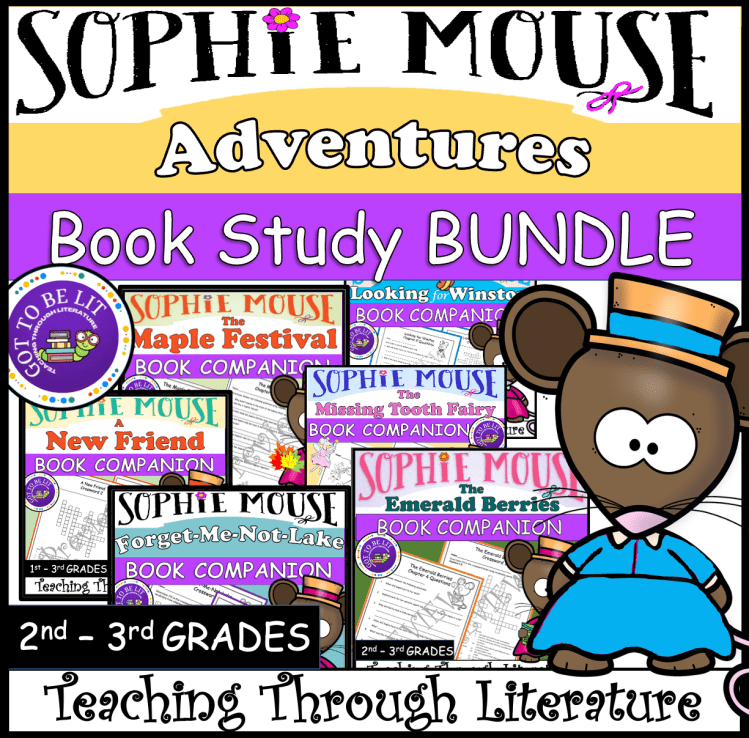
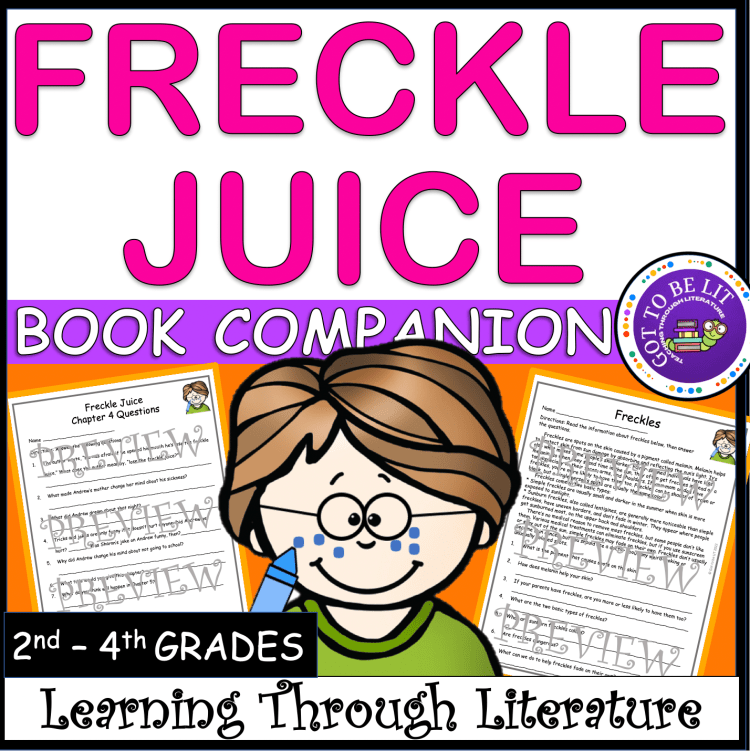
Novel studies for books such as Freckle Juice and Chocolate Fever make sustained reading approachable and enjoyable. Chapter-by-chapter activities help students follow the story, develop vocabulary, practice reading skills, and demonstrate genuine understanding.
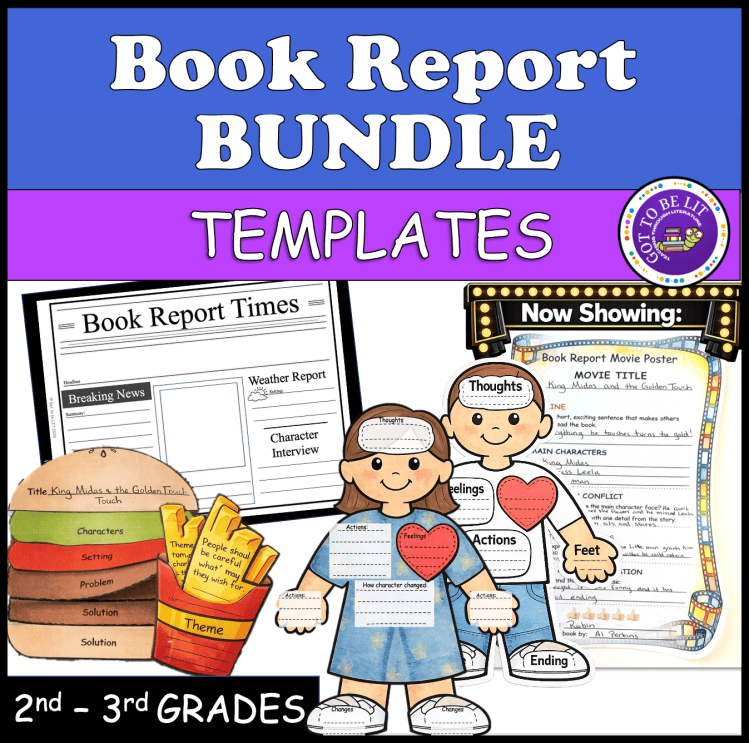
My Book Report Templates Bundle gives students a reason to complete books and reflect on them. The included reading tracker also builds accountability and helps children see themselves becoming stronger readers.
Resources such as the Context Clues Cards and Games help students develop strategies for working through unfamiliar words instead of immediately asking technology for a definition. Book companions add writing, discussion, sequencing, vocabulary, and hands-on activities that move learning beyond the screen.
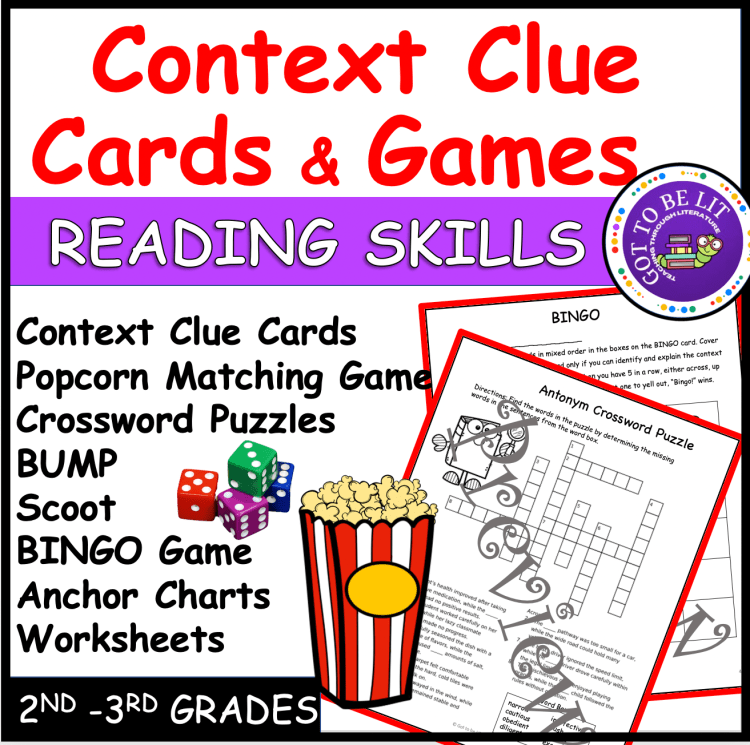
These resources can be used during whole-class instruction, guided reading, small groups, book clubs, literacy centers, or independent practice. They are low-prep for teachers but require meaningful participation from students.
Finding the Right Balance
AI is neither a miracle solution nor something schools must reject completely. Its value depends on how it is used.
AI can help a teacher plan, provide carefully selected accommodations, or offer additional practice. It should not routinely read, interpret, summarize, and respond in place of the student.
Children become readers by reading. They become thinkers by thinking. The best educational tools—digital or printed—protect that essential work.
Technology should support the teacher, serve a clear learning objective, and then step aside when students need to concentrate, persevere, and think for themselves. Children become capable readers by spending meaningful time with books—not by receiving every answer instantly.
If you are looking for low-prep resources that encourage students to read closely, build vocabulary, discuss ideas, and demonstrate genuine comprehension, visit my Got to Be LIT store. Together, we can embrace helpful innovation without losing the books, conversations, and productive struggle that help children become confident readers.


