
A child opens a book. Two minutes later, the page turning stops. Then comes a request for water, a trip to the pencil sharpener, or the familiar question: “How much longer do we have to read?”
Sound familiar?
In my previous blog, I explored the benefits and risks of AI in the classroom. One concern deserves a closer look: Are students getting enough opportunities to stay with a book and do the thinking themselves?
Reading stamina is the ability to remain engaged with reading over time. It involves more than sitting quietly with a book open. Students need to follow the story, remember important information, connect ideas, and make sense of what they read.
How can we help them develop that ability without turning reading into a battle?
Why Reading Stamina Matters
Concerns about reading stamina do not end when students leave elementary school.
Professors at Columbia, Georgetown, and Stanford have reported that some incoming college students struggle to remain focused on complete books. One Columbia professor described a student who said she had never been required to read an entire book in high school. These reports are anecdotal rather than scientific proof, but they reveal what some college professors are seeing in their classrooms. Read The Atlantic report here.
This concern also appears in the earlier grades. One survey of approximately 300 educators in grades three through eight found that only 17 percent primarily taught whole texts. Students were often reading excerpts instead of complete books.
Meanwhile, national reading scores have declined. The average reading score for American 12th graders in 2024 was three points lower than in 2019 and ten points lower than in 1992. Thirty-two percent of high school seniors scored below NAEP Basic. See the official results from the Nation’s Report Card.
These findings give us a compelling reason to protect sustained reading from the earliest grades.
First, Find Out What Makes Reading Difficult
Before deciding that a child needs more stamina, consider what is happening on the page.
Is the student struggling to sound out words? Is unfamiliar vocabulary making the story confusing? Is the book too difficult—or simply not interesting to that child?
A student who works hard to read every sentence may become exhausted quickly. Telling that child to “keep reading” is not enough. The student may need explicit instruction, a more manageable text, or supported practice.
Reading stamina should grow alongside reading skills, not become a substitute for teaching them.
Start Small and Build on Success
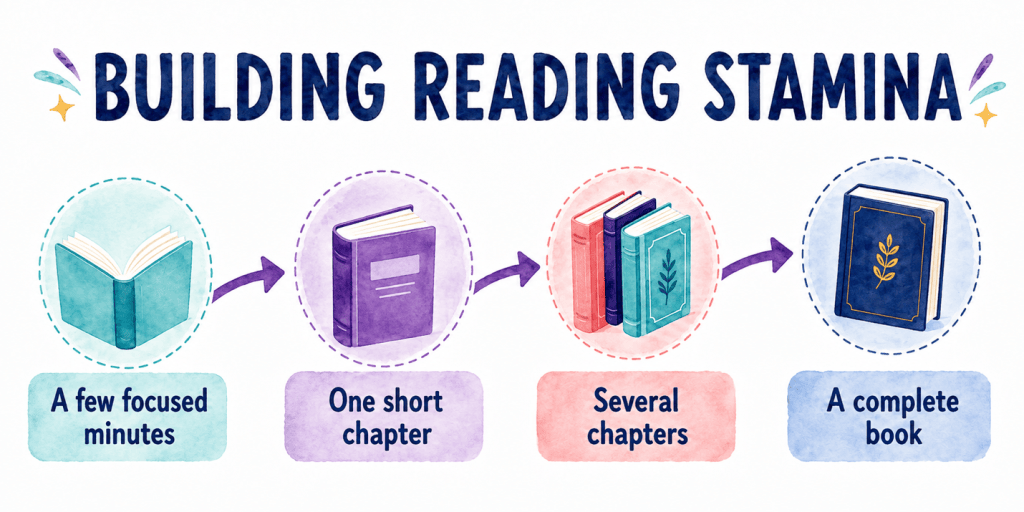
Instead of immediately expecting every student to read independently for twenty minutes, begin with a manageable goal based on what the student can currently do.
For one child, that might mean a few focused minutes. For another, it might mean finishing a short chapter and explaining what happened.
Gradually extend the reading time as students become more comfortable. Keep the focus on understanding rather than racing through pages or outlasting classmates.
The Institute of Education Sciences recommends that students read connected text every day to support accuracy, fluency, and comprehension. This can include supported reading—not simply assigning silent reading and hoping for improvement. Click here for the IES practice guide.
Choose Books Worth Coming Back To
An unfinished mystery, a funny character, or a familiar setting can give children a reason to return to a book.
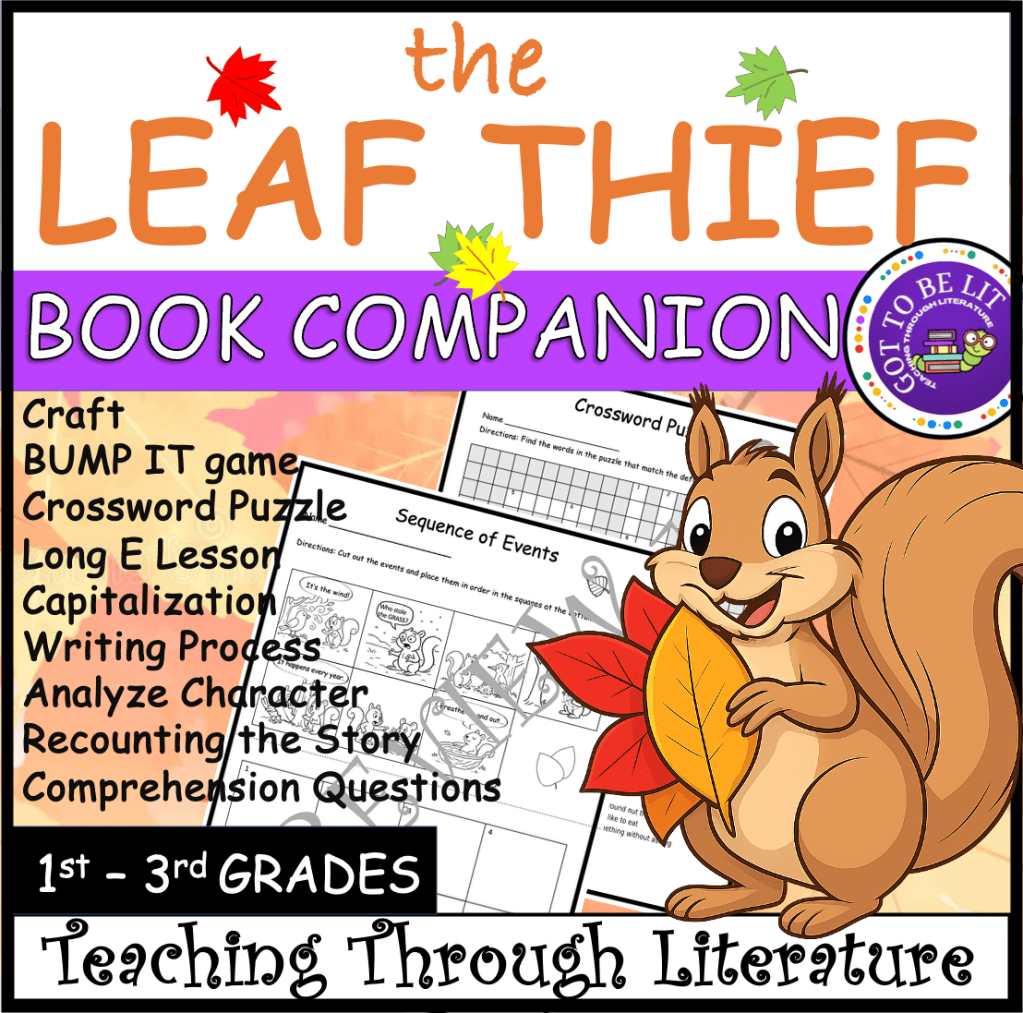
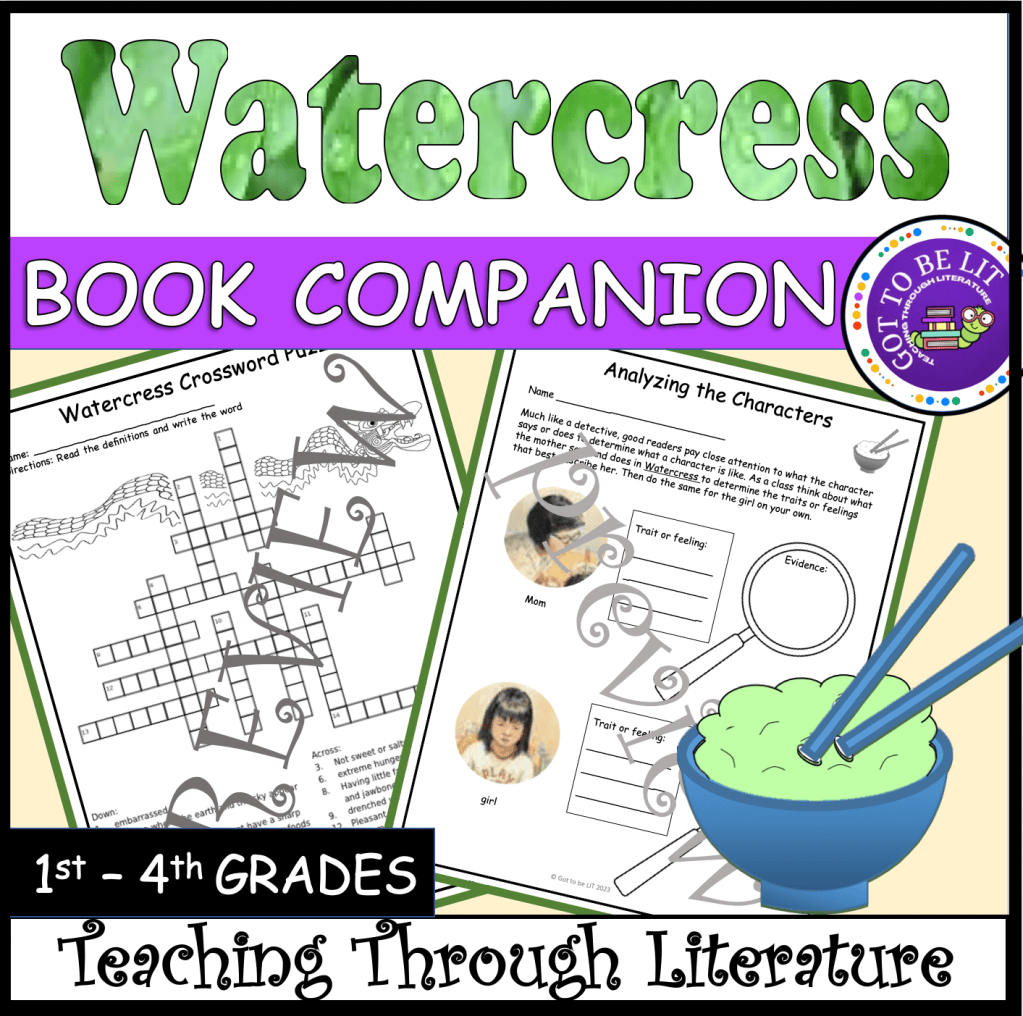
Offer a few appropriate choices and help students find something that interests them. A complete picture book can be a worthwhile reading accomplishment, too. Chapter books are not the only measure of growth. Check out my book companions for picture books here.
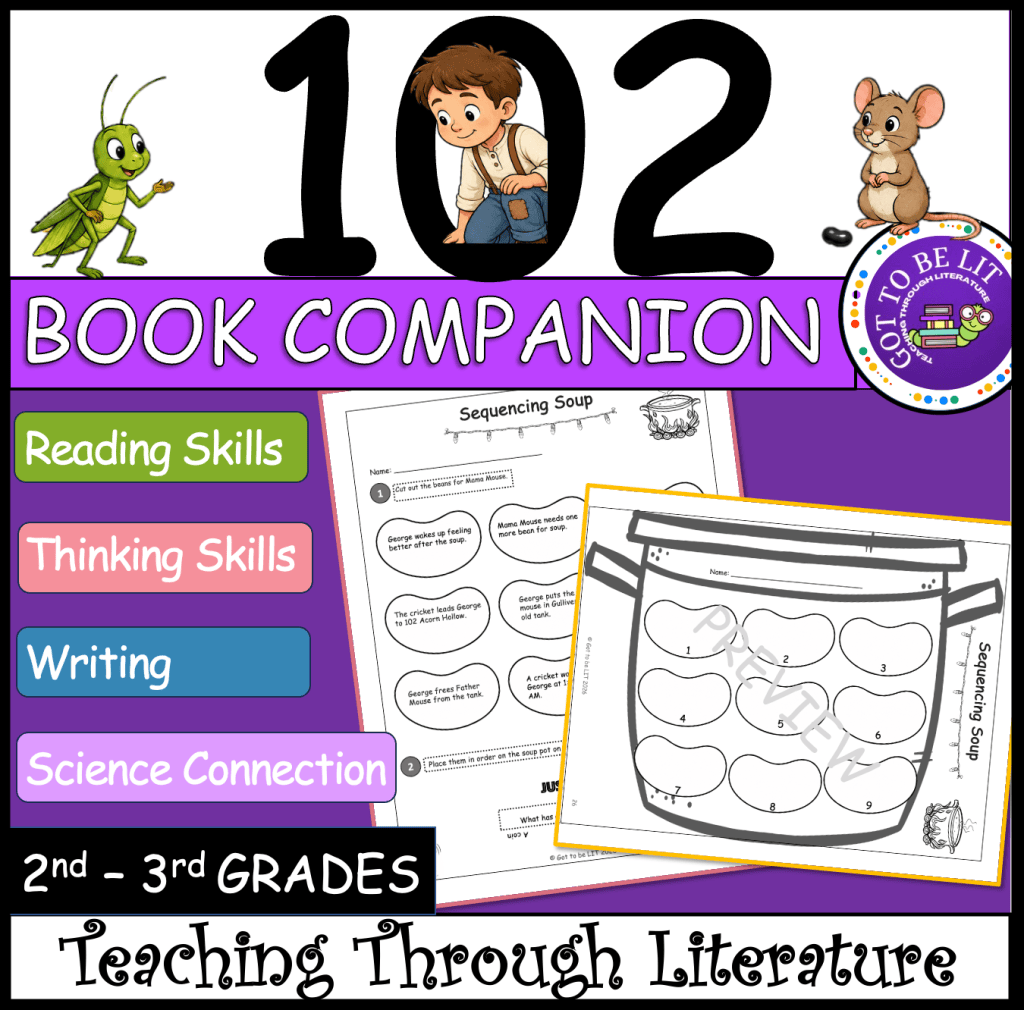
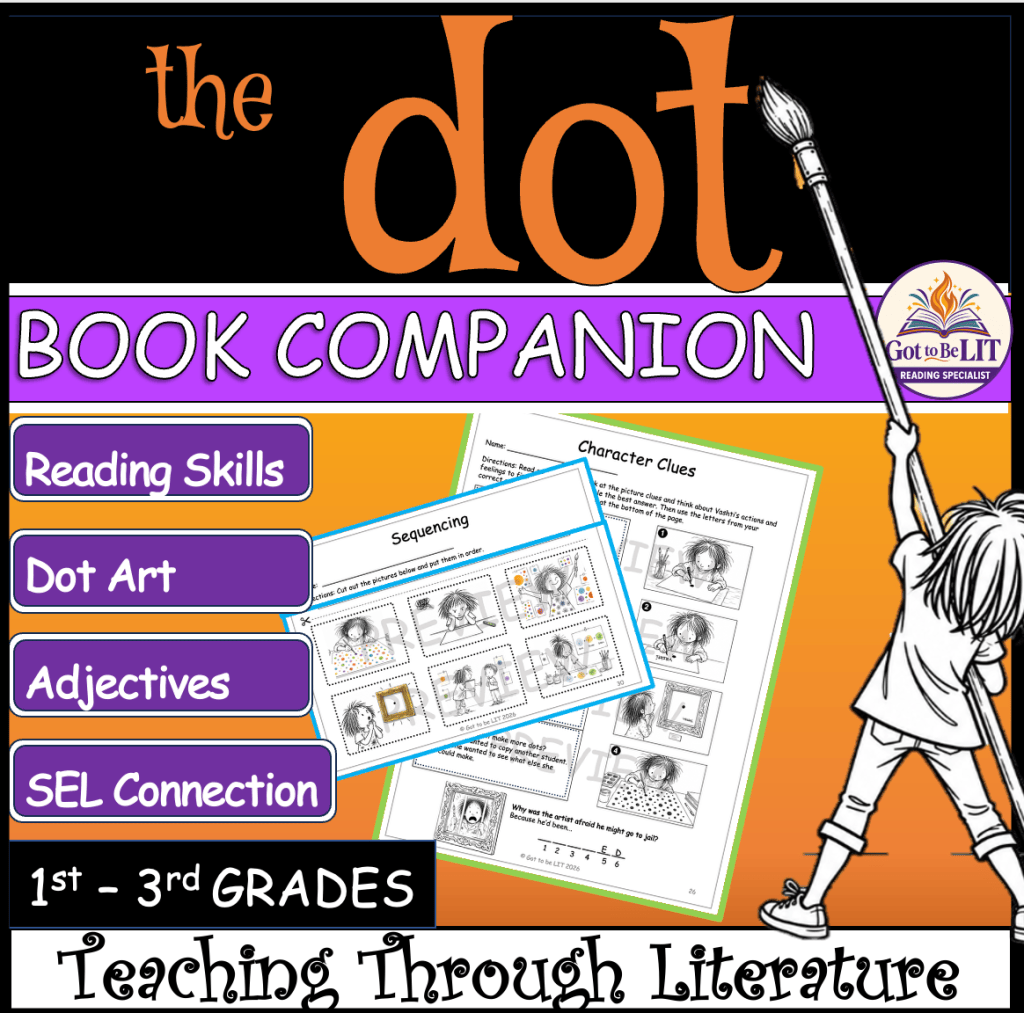
For students ready to make that transition, my Sophie Mouse novel studies provide vocabulary activities, reading skills, and comprehension questions for every chapter. Teachers can use these resources to guide students through a whole story in manageable sections.
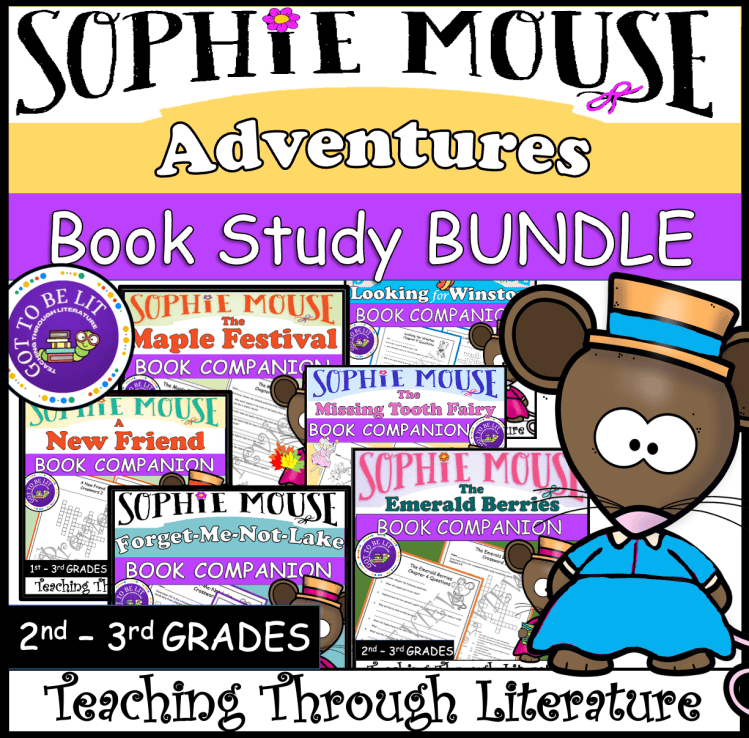
No prep. Just print and go.
Sophie Mouse Growing Bundle
This novel study includes fun activities, vocabulary, comprehension questions, and a focus on at least one reading activity or skill for EACH CHAPTER.
⭐️⭐️⭐️⭐️⭐️ “Don’t snooze on buying these! This is a great growing bundle! My kiddos LOVE Sophie Mouse and these are a fun way to get some comprehension checks, vocab., and reader feedback in. I’m so happy with this purchase! ” -Shelley S.
The goal is not just to finish a chapter. It is to make students want to discover what happens next.
Give Students a Purpose for Reading
“Read these pages” provides a direction. “Find out why the character changed her mind” gives students something to think about.
Before reading, try a simple prompt:
- What problem is the character trying to solve?
- What do you predict will happen next?
- Which detail helps explain the character’s decision?
Afterward, let students share their thinking with a partner or point to a passage that supports their answer.
Focused discussion is one of the practices recommended in the Institute of Education Sciences’ early reading-comprehension guide. Explore the recommendations in the guide.
My Freckle Juice novel study includes chapter-by-chapter vocabulary, comprehension questions, and reading activities that teachers can select to support these conversations.
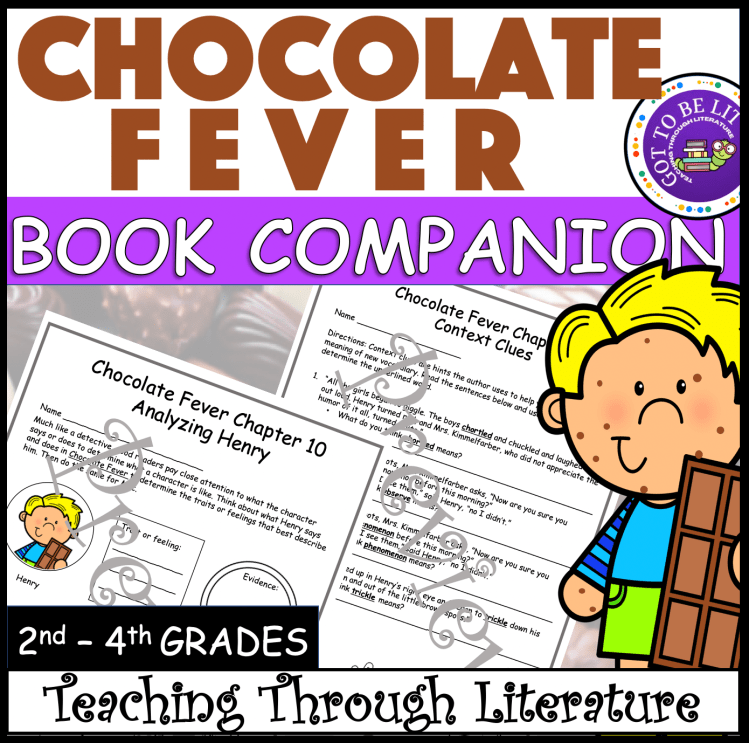
No prep. Just print and go.
Chocolate Fever Novel Study
This book study includes fun activities, vocabulary, reading skills, plus comprehension questions for all 12 chapters of this hilariously fun book. In addition, it includes an SEL lesson on bullying.
⭐️⭐️⭐️⭐️⭐️ “Thoughtful and well-organized! Students are deepening their understanding of the novel through meaningful questions and creative activities that support comprehension and critical thinking.” ~Hailey K.
Protect Time for Actual Reading
If the goal is sustained reading, the schedule needs room for it.
Create a predictable reading routine. Have books ready, minimize unnecessary interruptions, and set aside unrelated screens and notifications.
Be selective about response activities, too. Students do not need to complete a worksheet after every reading session. Sometimes a brief conversation, a quick written response, or simply continuing an absorbing story is enough.
Book companions should deepen engagement with the book—not crowd out the time spent reading it. My book companions at Got to Be LIT do just that!
Support Readers Without Taking Over
Some children need partner reading, teacher guidance, accessible formats, or audio support. Those supports can help students participate in meaningful reading experiences and should not be withheld simply to “build stamina.”
The important question is what the lesson is teaching.
If the goal is independent word reading, provide instruction and practice that allow the student to work on that skill. If the goal is discussing a complex story, supported access may be appropriate.
Before providing an answer, a teacher might ask, “What part confused you?” or “Can we reread that sentence together?” Help students find a way forward while leaving meaningful thinking for them to do.
Celebrate Growth Beyond the Timer
Reading progress is not measured only in minutes.
Notice when a student remembers an earlier event, returns to the text to check an answer, explains a character’s actions, or asks to read the next book in a series.
My Book Report Templates Bundle includes creative response formats and a reading tracker that teachers can use to recognize completed books and thoughtful reflection. Keep tracking encouraging and manageable—not another competition.
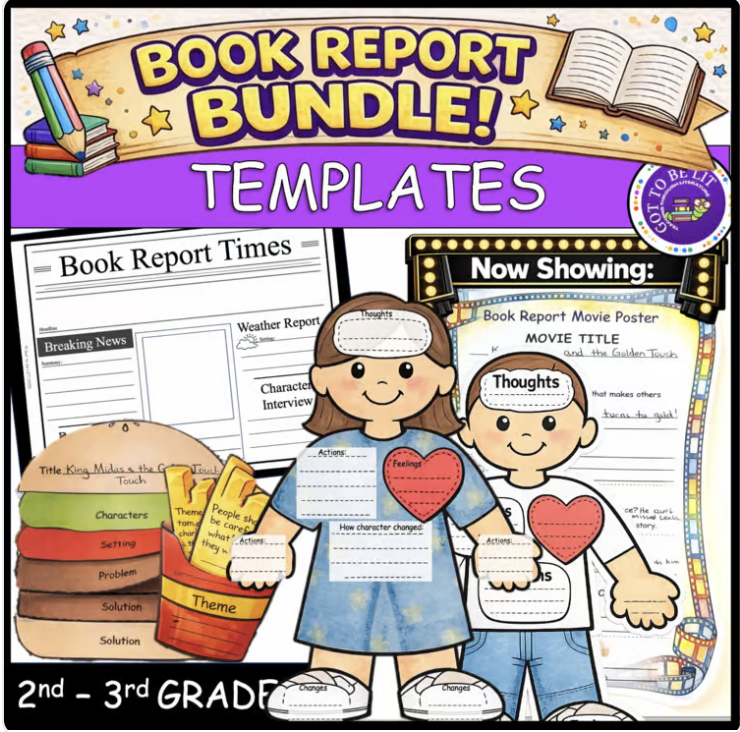
Finishing a book can be satisfying. Understanding it and wanting to read another is even better.
Encouraging Signs from Louisiana

Louisiana offers an encouraging example. The state has emphasized book-rich, knowledge-building curricula as part of a broader literacy effort that also includes phonics-based instruction, teacher training, stronger curriculum standards, and instructional support.
Louisiana’s fourth-grade reading ranking rose from 50th in 2019 to 16th in 2024. Its fourth graders led the nation in reading growth during both the 2022 and 2024 cycles of the Nation’s Report Card. See the Louisiana Department of Education results.
We cannot credit whole books alone for that progress. Louisiana made several significant changes at the same time as previously stated. Still, its experience shows that book-rich instruction can be an important part of a comprehensive approach to literacy.
One Book at a Time
We cannot build reading stamina by demanding longer periods of frustration. We build toward it with appropriate instruction, engaging books, manageable goals, and consistent opportunities to read.
At Got to Be LIT, my resources help teachers bring vocabulary, comprehension, discussion, and writing into meaningful experiences with children’s books.
My goal is not simply to keep children occupied with a book. It is to help them become readers who can remain with a story, think across chapters, form conclusions of their own, and enjoy the journey.
We build those readers one book at a time.


