
Reading comprehension is often considered one of the hardest skills to teach in second and third grades. At this age, students are expected to do much more than simply read the words on the page. They must understand what is happening, remember important details, make connections, explain their thinking, and sometimes determine ideas the author does not state directly.
This is the point when many children begin moving from learning to read to reading to learn.
I saw how difficult that transition could be with my own son. He could read the words, but he often did not understand or remember what he had read. I began stopping him frequently as he read and asking simple questions about what was happening, who was involved, and why certain events mattered.
Those short conversations encouraged him to slow down, think about the meaning of the text, and put what he had read into his own words. Over time, the strategy made a noticeable difference in his comprehension.
That experience reminded me that children do not always need more reading practice. Sometimes they need more opportunities to pause, process, and talk about what they are reading.
This focus is especially timely for Texas teachers. Beginning in the 2026–2027 school year, the revised K–3 English Language Proficiency Standards place increased attention on helping students develop language through listening, speaking, reading, and writing. Meaningful conversations about engaging texts give students a natural way to practice those skills while strengthening comprehension.
Put These Ideas into Practice
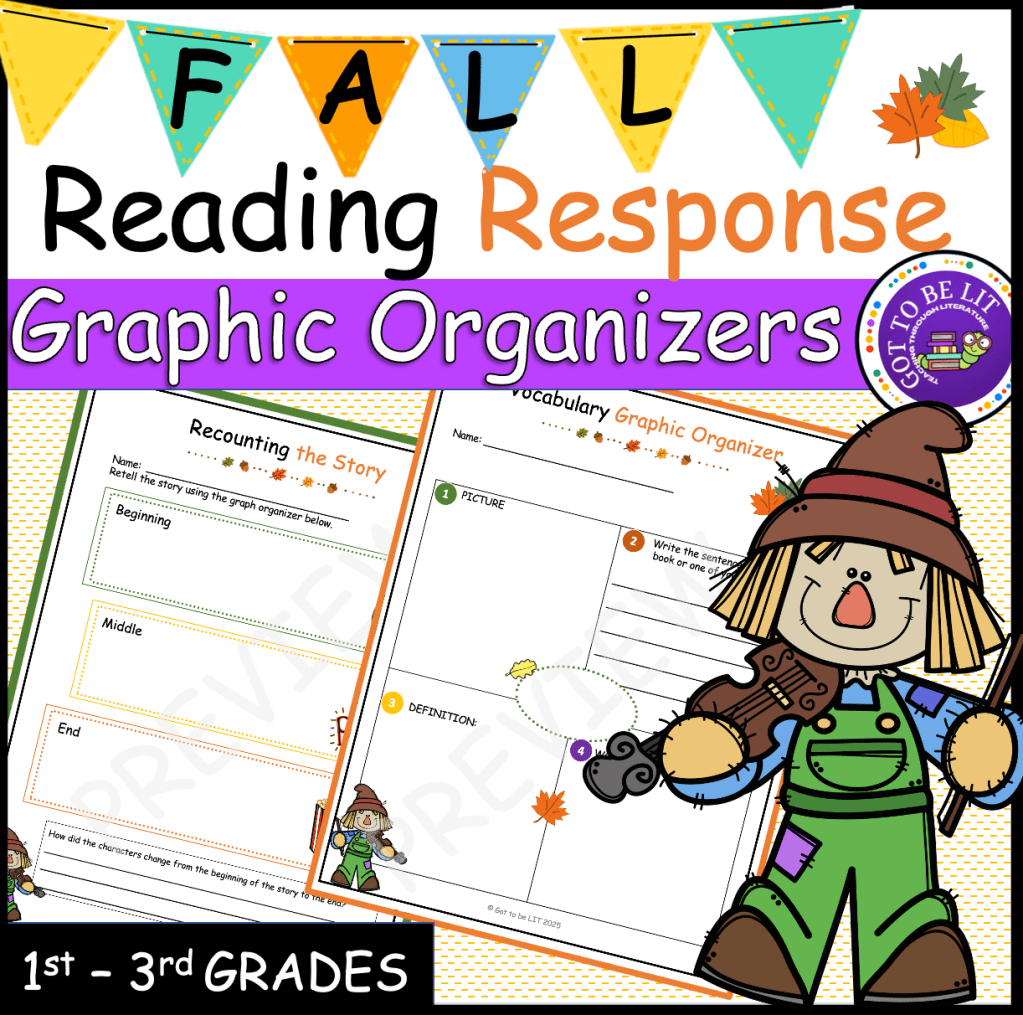
These same listening, speaking, reading, and writing supports are built into my 102 Book Companion, including partner discussion prompts, sentence stems, vocabulary support, and opportunities for students to explain their thinking.
It is designed for second- and third-grade classrooms and can be used during read-alouds, small-group instruction, partner work, or independent reading.
The good news is that reading comprehension does not have to begin with long worksheets or complicated written responses. Two of the most effective ways to strengthen comprehension are also two of the most natural: using engaging texts and giving students frequent opportunities to talk about what they read.
Start with a Text Students Want to Understand
Students are more likely to think deeply about a text when they are interested in it.
An engaging text gives students a reason to keep reading. They want to know what happens next. They care about the characters. They begin asking questions, making predictions, noticing clues, and connecting the story to their own experiences.
This does not mean every book must be funny, dramatic, or filled with action. Engagement can come from many places.
Students may be drawn to:
- A character who faces a familiar problem
- A mystery they want to solve
- An unusual animal or interesting setting
- A surprising fact
- A humorous situation
- A topic connected to science, history, or everyday life
- A story that makes them feel curious, worried, excited, or hopeful
When students are emotionally or intellectually connected to a text, comprehension work becomes more meaningful. They are no longer answering questions simply because the teacher assigned them. They are thinking because they genuinely want to understand.
Engagement Does Not Mean the Text Must Be Easy
Sometimes teachers worry that struggling readers should only be given very simple texts. Students do need books they can read successfully, but they also need access to interesting ideas.
A student may not be able to read a challenging story independently, but that student may still be able to understand and discuss it during a read-aloud, partner reading activity, or small-group lesson.
Read-alouds are especially valuable because they remove some of the pressure of decoding. Students can focus their attention on the characters, events, vocabulary, and meaning of the story.
This allows all students to participate in higher-level thinking, even when their independent reading skills are still developing.
Let Students Talk Before They Write
Discussion is one of the most powerful—and sometimes overlooked—reading comprehension tools.
Young readers often understand more than they can immediately express in writing. When teachers require a written response too quickly, students may appear to have weak comprehension when the real difficulty is organizing their thoughts, spelling words, or forming complete sentences.
Talking gives students time to process.
Before asking students to write, invite them to discuss questions such as:
- What surprised you?
- What do you think the character is feeling?
- Why do you think the character made that choice?
- What was the most important event?
- What problem is the character trying to solve?
- What clues helped you make that prediction?
- Did anything in the story remind you of something else?
- What do you think will happen next?
These questions help students move beyond recalling isolated details. They encourage students to explain ideas, listen to other perspectives, and support their thinking with evidence from the text.
Build Comprehension Through Conversation
A strong reading discussion does not need to sound formal. In fact, some of the best conversations begin with simple prompts.
Teachers might say:
- “Tell your partner what you noticed.”
- “What makes you think that?”
- “Show me the part that gave you that idea.”
- “Do you agree or disagree?”
- “Can you add to that answer?”
- “Did anyone have a different idea?”
- “How did your thinking change?”
These prompts teach students that comprehension is not always about finding one perfect answer. It is about thinking carefully, explaining ideas, and returning to the text for support.
Over time, students begin using this language independently. They learn to respond to one another instead of speaking only to the teacher.
Use Partner Talk Purposefully
Partner discussions can be especially helpful for students who are hesitant to speak in front of the entire class.
A partner gives students a safe place to rehearse an answer before sharing it with a larger group. This can build confidence and improve the quality of their responses.
However, partner talk works best when students have a clear task.
Instead of saying, “Talk about the story,” try giving students a specific prompt:
“Tell your partner one choice the character made and whether you think it was a good choice.”
“Explain which event was most important and why.”
“Find one sentence or illustration that shows how the character felt.”
“Share your prediction and the clue that helped you make it.”
Sentence stems can also support students who need help getting started:
- “I think ___ because ___.”
- “The character felt ___ when ___.”
- “One important detail is ___.”
- “I agree with ___ because ___.”
- “My idea is different because ___.”
- “The text says ___, which shows ___.”
These supports are helpful for all students, including multilingual learners and children who struggle to organize their thoughts.
Do Not Rush Through the Text
Teachers often feel pressure to finish a book, complete an activity, or move to the next lesson. However, comprehension develops when students have time to pause and think.
You do not have to ask a question after every page. Too many interruptions can make a story feel like a test.
Instead, choose a few meaningful stopping points.
Pause when:
- A character faces an important decision
- A problem becomes clear
- New information changes the situation
- Students can make a reasonable prediction
- A character’s feelings or motivations are revealed
- An event connects to an earlier part of the text
A few thoughtful questions are usually more valuable than a long list of surface-level questions.
Choose Depth Over Quantity
Students do not need to answer twenty questions to prove they understood a story.
Sometimes one well-chosen question can lead to a richer lesson than an entire page of short-answer responses.
For example:
“Was the character’s decision a good choice? Use details from the story to explain your answer.”
This question may require students to recall events, analyze a character, form an opinion, and provide text evidence.
That is much more meaningful than answering several unrelated questions that only ask students to remember names, places, or minor details.
Basic recall questions still have a place, especially when checking understanding. However, they should be used as a foundation for deeper conversation—not as the final goal.
Connect Discussion to Written Responses
Once students have had time to think and talk, writing becomes less intimidating.
After a partner or class discussion, ask students to record one idea. Their written response might be a sentence, a short paragraph, a labeled drawing, or a piece of text evidence.
For example, students could:
- Write one sentence explaining a character’s feelings
- Draw and label the most important event
- Complete a cause-and-effect statement
- Write a prediction and support it with a clue
- Compare two characters
- Explain the lesson learned in the story
- Identify a choice and evaluate whether it was helpful
The discussion provides the rehearsal. The writing allows students to organize and preserve their thinking.
Reading Response Organizers
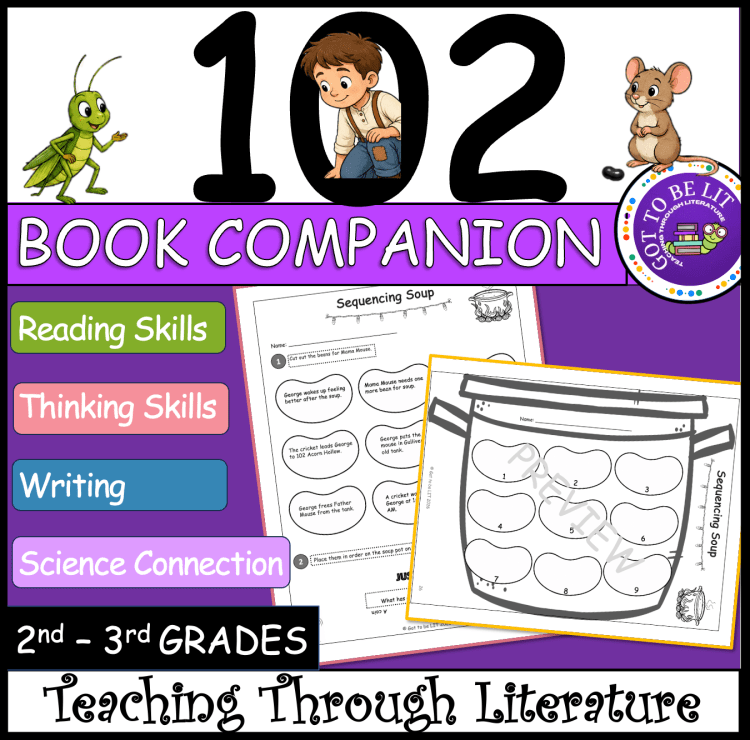
After students have discussed a text, a simple graphic organizer can help them capture and organize their thinking. My Fall Reading Response Worksheets can be used with almost any read-aloud or independent-reading book and include prediction, character, story-element, cause-and-effect, vocabulary, and written-response activities.
Remember That Comprehension Grows Over Time
Reading comprehension is not a single skill that students master during one lesson. It is a collection of skills that develop through repeated reading, thinking, talking, listening, and writing.
Students need many opportunities to:
- Retell important events
- Ask and answer questions
- Make predictions
- Describe characters
- Identify problems and solutions
- Sequence events
- Make connections
- Draw conclusions
- Discuss the author’s message
- Support ideas with text evidence
These skills become stronger when students practice them with texts they enjoy and with teachers who value their ideas.
Give Students a Reason to Think
The goal of reading comprehension instruction is not simply to help students complete a worksheet correctly.
The goal is to help students become curious, thoughtful readers who notice when something does not make sense, ask questions, make connections, and search for meaning.
Engaging texts invite students into the reading. Meaningful discussions help them make sense of what they find there.
When I think back to reading with my son, I realize that the questions I stopped to ask were doing much more than checking whether he had paid attention. They were teaching him to pause, think about what he had read, and connect one part of the text to another. Eventually, he began doing more of that thinking for himself.
That is what we want for every young reader. We may begin by stopping to ask the questions, guiding the conversation, and helping students put their ideas into words. But little by little, those questions become part of the way they read.
When we give children stories worth thinking about and time to share their ideas, comprehension becomes more than another reading skill. It becomes a conversation—and, eventually, an internal conversation students learn to carry with them every time they open a book.
Sophie Mouse to the Rescue
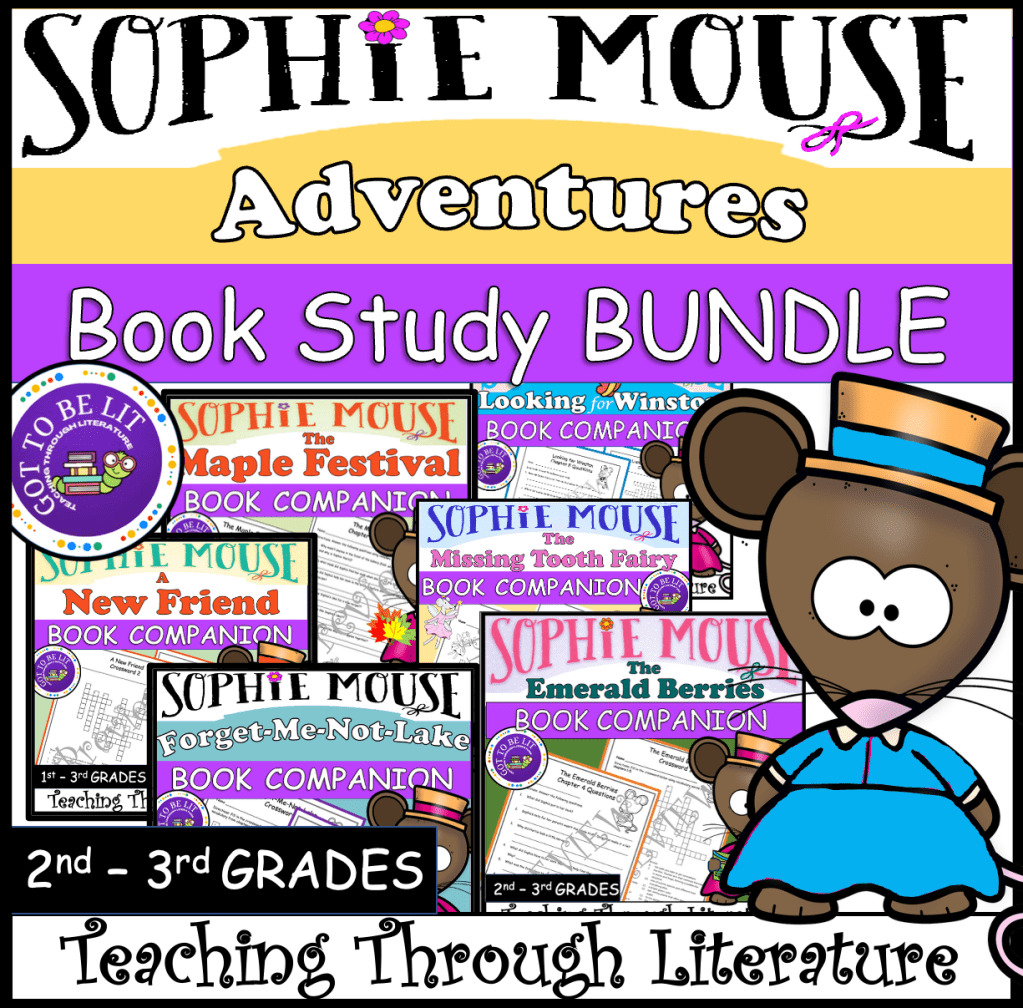
Looking for engaging chapter books that give students plenty to discuss? My Adventures of Sophie Mouse book companions include chapter-by-chapter comprehension questions, vocabulary activities, character analysis, text-evidence practice, writing prompts, and interactive activities designed especially for second and third graders. These resources work well for read-alouds, guided reading, partner reading, small groups, or independent reading.


One thought on “Engaging Texts and Discussions Boost Reading Skills”