
Reading aloud can be intimidating for young students. Some children worry about making a mistake, reading too slowly, or being corrected in front of their classmates. Waterfall reading offers a supportive way for students to practice oral reading without feeling as though every eye is on them.
What Is Waterfall Reading?
Waterfall reading is a form of choral reading in which voices gradually join together.
The teacher begins by reading a passage aloud. As the reading continues, the teacher quietly taps or signals individual students to join in. One voice becomes two, two become four, and eventually the whole group is reading together—much like a waterfall growing wider and stronger as it flows.
Because students do not have to begin alone, the activity creates a gentler entry into oral reading. It allows children to hear fluent reading, practice alongside others, and become more comfortable using their voices.
Can It Be Used in 2nd and 3rd Grade?
Absolutely. Waterfall reading can work especially well in second- and third-grade classrooms because students at these levels are developing several important fluency skills:
- Reading words accurately
- Maintaining an appropriate pace
- Grouping words into meaningful phrases
- Using expression
- Paying attention to punctuation
- Building confidence when reading aloud
The key is to select a passage that matches your students’ reading abilities. A text that is too difficult may cause children to guess or simply echo their classmates. A familiar, accessible passage gives them a better opportunity to read accurately and fluently.
How to Use Waterfall Reading
1. Choose a short passage
For second graders, begin with approximately 50–100 words. Third graders may be ready for 100–150 words. Poems, decodable passages, songlike texts, and short sections from familiar stories are good choices.
2. Preview the text
Before reading, introduce unfamiliar words and briefly discuss what the passage is about. Students should understand the text rather than merely pronounce its words.
3. Model fluent reading
Read the passage aloud while students follow along. Demonstrate an appropriate pace, clear phrasing, accurate pronunciation, and expression. Point out how punctuation affects your voice.
4. Begin the waterfall
Start reading the passage again. As you move around the group, tap or signal one student to join you. Continue inviting students until everyone is reading together.
Make sure students know that they should begin at the exact place where the group is reading. They do not need to return to the beginning of the passage.
5. Read the passage again
Repeated reading helps students become more accurate and expressive. During the second round, invite students in a different order. You might also vary the activity by having pairs or small groups join instead of individual students.
6. Reflect briefly
Ask one or two simple questions:
- Where did we need to slow down?
- Which sentence required the most expression?
- What did you notice about the punctuation?
- Did the second reading feel easier than the first?
This encourages students to think about what fluent reading sounds and feels like.
Tips for Success
Keep the activity positive and brief. Five to ten minutes is usually enough. Maintain a pace that encourages fluent reading without leaving developing readers behind.
Avoid always inviting your strongest readers first. Vary the order so that joining early or late does not become associated with reading ability.
Watch and listen as students read. Notice who follows the print, keeps pace, reads with expression, or appears to depend entirely on the group. Choral reading can sometimes conceal an individual student’s difficulties, so it should not replace individual assessment.
Students who need additional support can preview the passage with the teacher, use a text with clearly marked phrases, or join at the same time as a trusted partner.
Useful Variations
Once students understand the routine, try one of these variations:
- Reverse waterfall: Everyone begins reading, and students gradually stop when signaled until only the teacher remains.
- Partner waterfall: One pair begins, and additional pairs join.
- Expression waterfall: Each new group joins while matching a specific emotion or tone.
- Volume waterfall: The class gradually moves from quiet reading voices to normal speaking voices.
- Student-led waterfall: A student begins as the fluent-reading model and signals classmates to join.
Try Waterfall Reading With These Got to Be Lit Resources
You can use waterfall reading with several resources already available in my Got to Be Lit store. These resources contain just the right reading passages perfect for waterfall reading even though the resources are for another skill. You will get two skills practiced with one purchase.
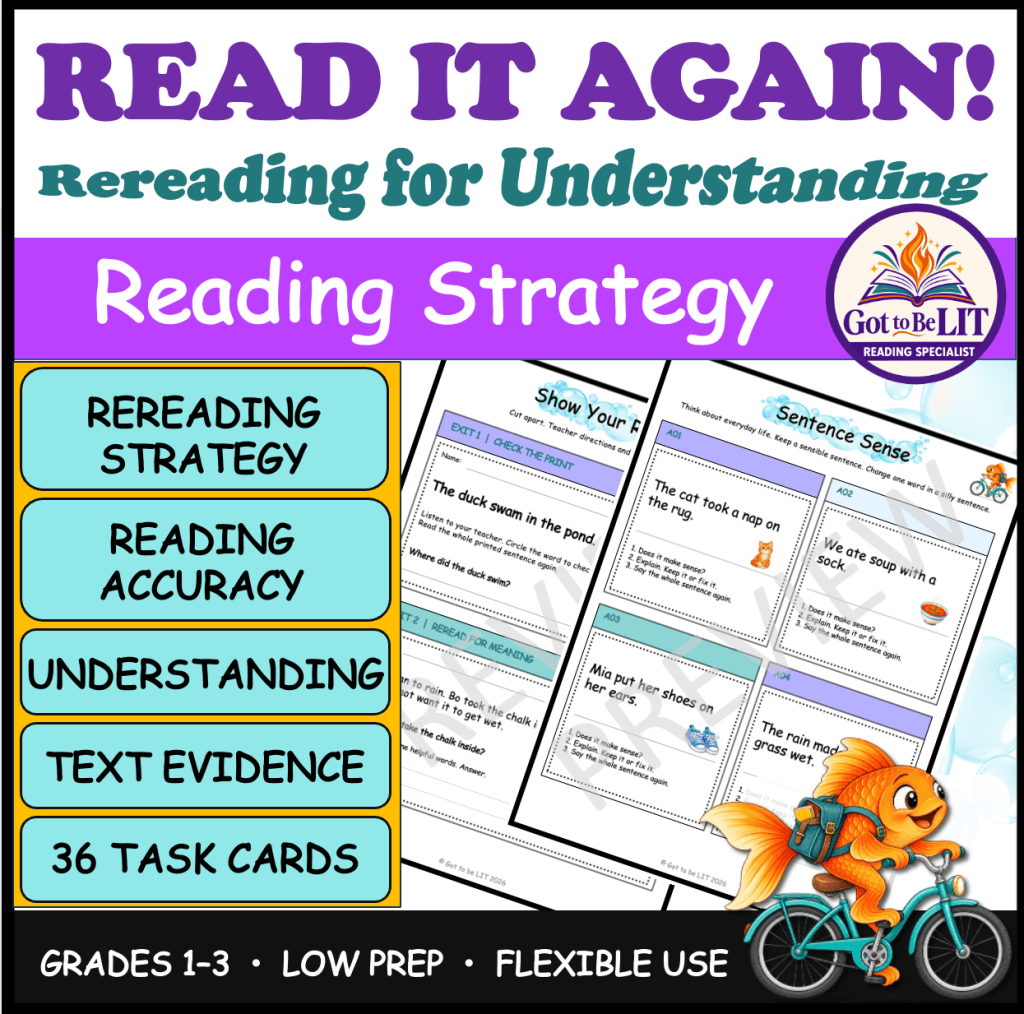
Rereading to Understand
Rereading to Understand includes four short passages and reader scripts for grades 1–3. Model the first reading, use waterfall reading for the second reading, and then invite students to explain what became clearer when they reread the passage.
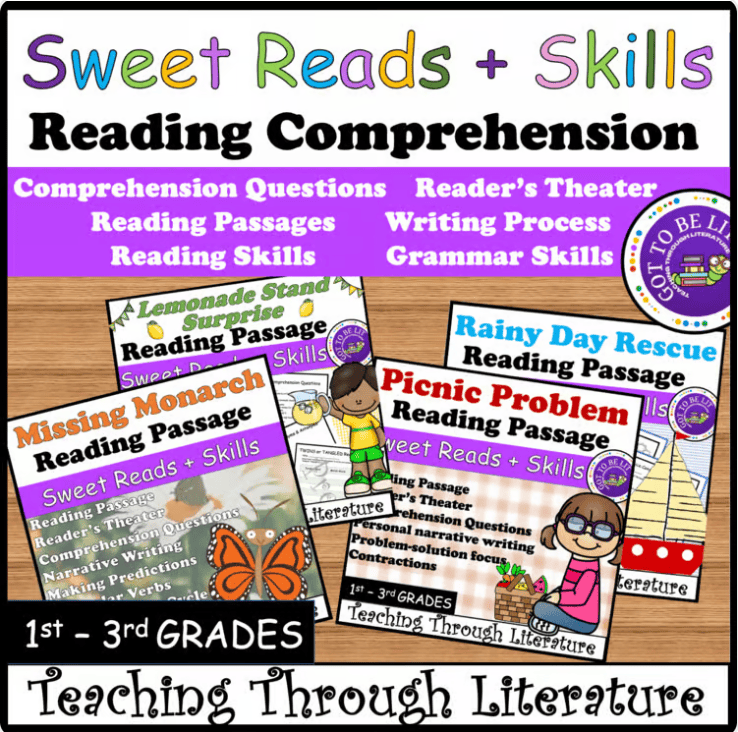
Spring Reading Passages and Comprehension Questions Bundle
The 2nd Grade Spring Reading Passages and Comprehension Questions Bundle includes original seasonal stories and reader’s-theater versions. Waterfall-read a story together before assigning reader’s-theater roles or completing the comprehension and skill activities.
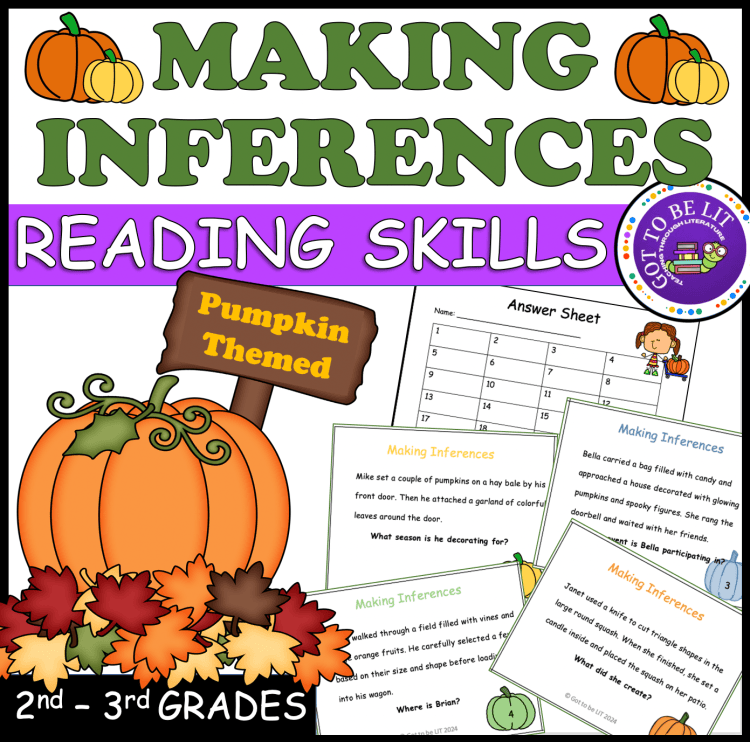
Making Inferences Task Cards
The Making Inferences Task Cards include half-page passages that can be printed or projected. Waterfall-read one passage as a group, then ask students to identify the text clues that support their inference.
A Supportive Step Toward Independent Reading
Waterfall reading is simple, requires little preparation, and can make oral reading feel safer for children. It gives second- and third-grade students repeated opportunities to hear and practice fluent reading while sharing the experience with their classmates.
Most importantly, the activity can help hesitant readers discover that reading aloud does not have to be a solitary performance. Their voices can enter gradually, receive support from the group, and grow stronger with practice.
For a classroom demonstration of the strategy, see Edutopia’s Waterfall Reading example on YouTube.
Discover more from Got to be LIT
Subscribe to get the latest posts sent to your email.

