State testing puts so much pressure on our students to focus for long periods of time and do well. They’ve worked hard—and they deserve a break. (Does anyone else hear the McDonald’s jingle in your head?)
But the school calendar doesn’t exactly allow for a vacation right before summer break.
My solution?
Give them activities that feel light and fun…
but still keep their brains working.
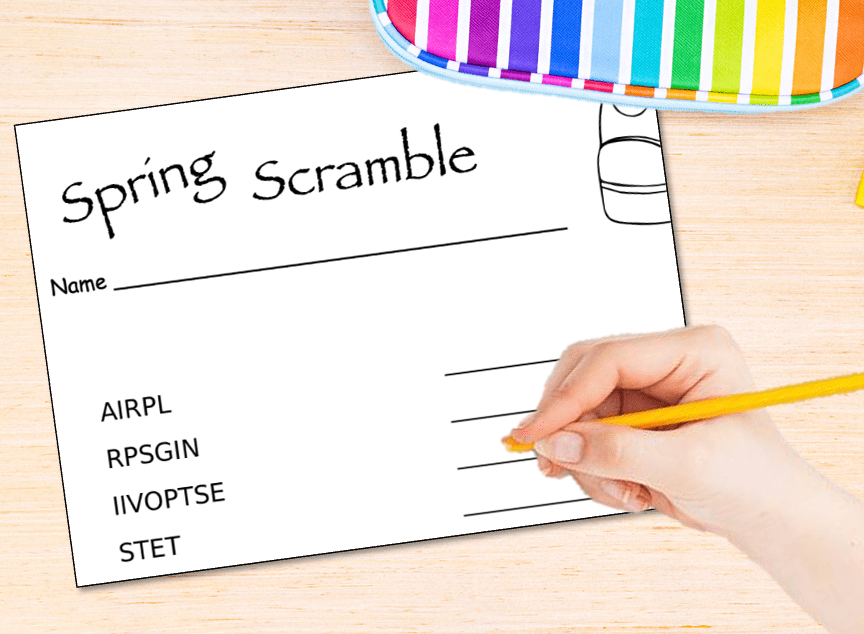
One of the easiest ways to keep kids engaged without resistance is with word scrambles. There’s something about figuring out mixed-up words that instantly pulls students in. It feels like a challenge instead of an assignment, and they’ll stick with it longer because they want to solve it.
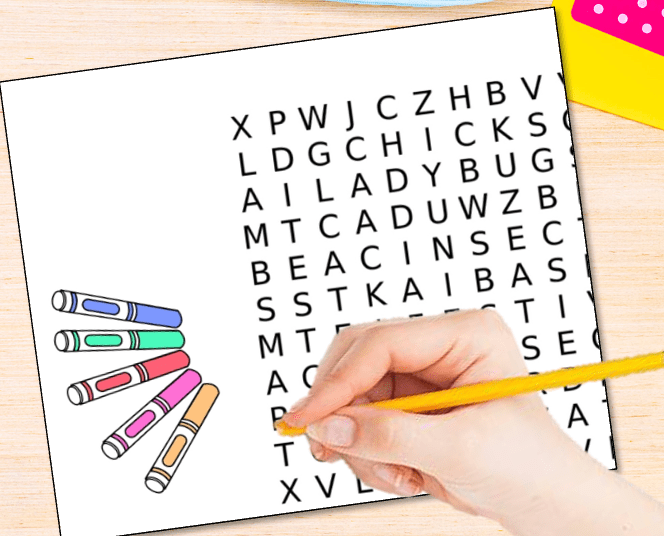
Activities like word searches are another go-to during this time. They’re calm, focused, and perfect for those moments when your class needs a reset. While students are scanning for words, they’re reinforcing vocabulary and practicing visual recognition skills without even thinking about it.
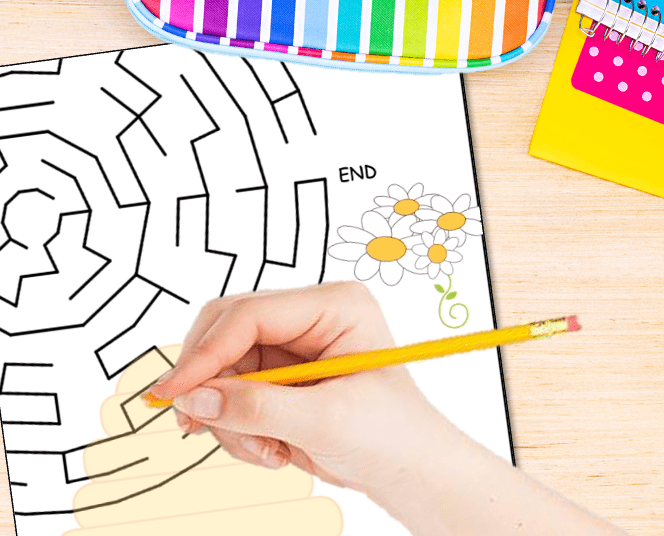
I also love including mazes. They may look simple, but they require attention, persistence, and problem-solving—exactly what students need in a low-pressure way after testing.
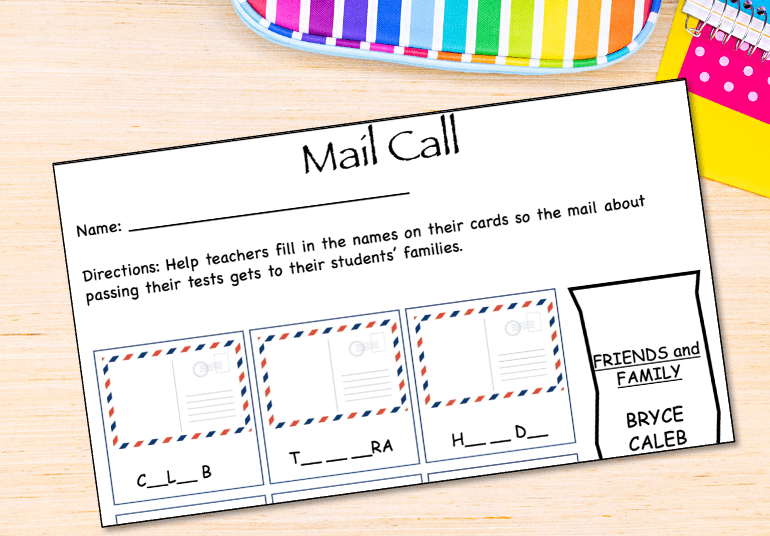
One activity my students always enjoy is a simple fill-in-the-missing-letters task (like addressing mail or completing names). It taps into spelling patterns and real-world reading skills while still feeling approachable and fun.
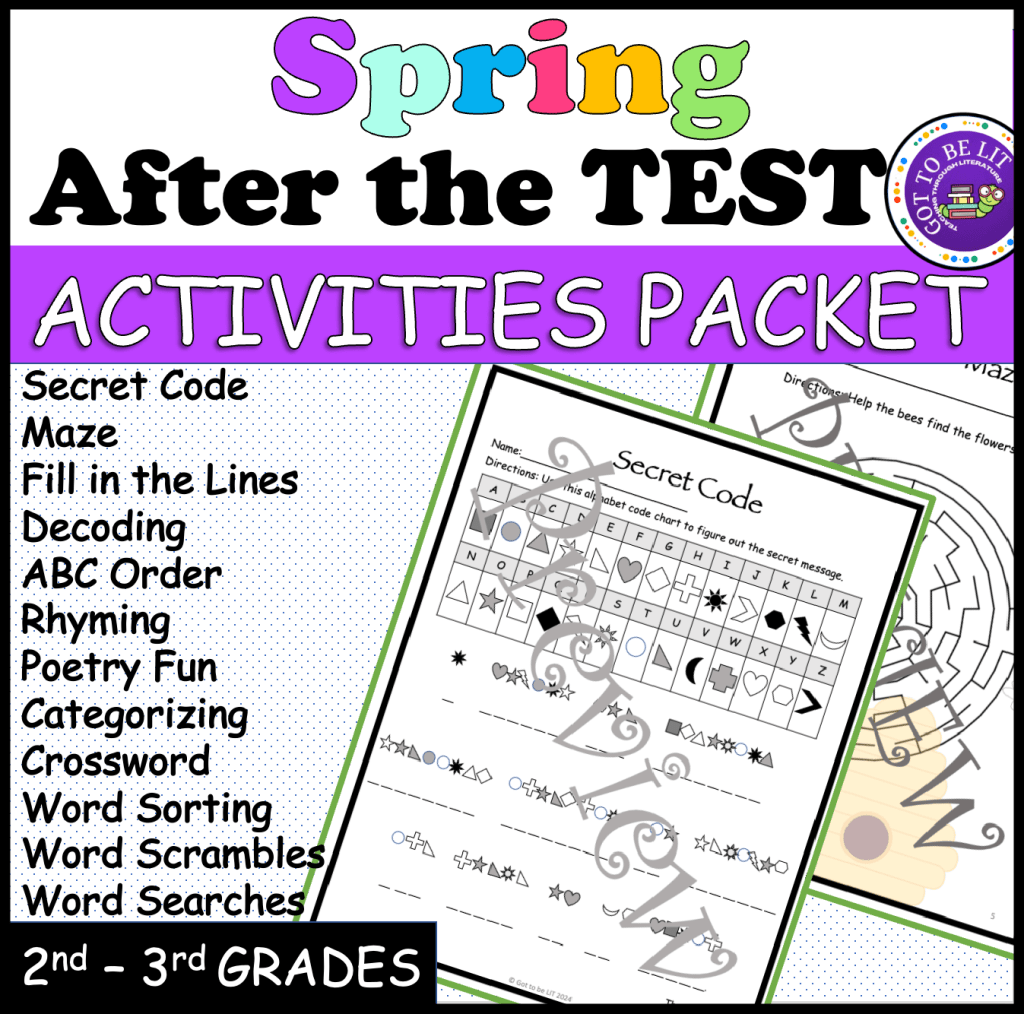
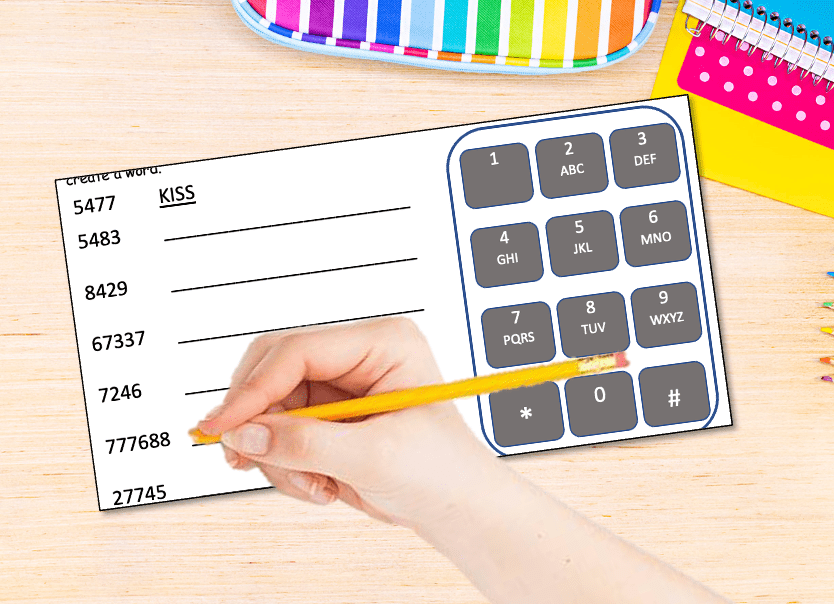
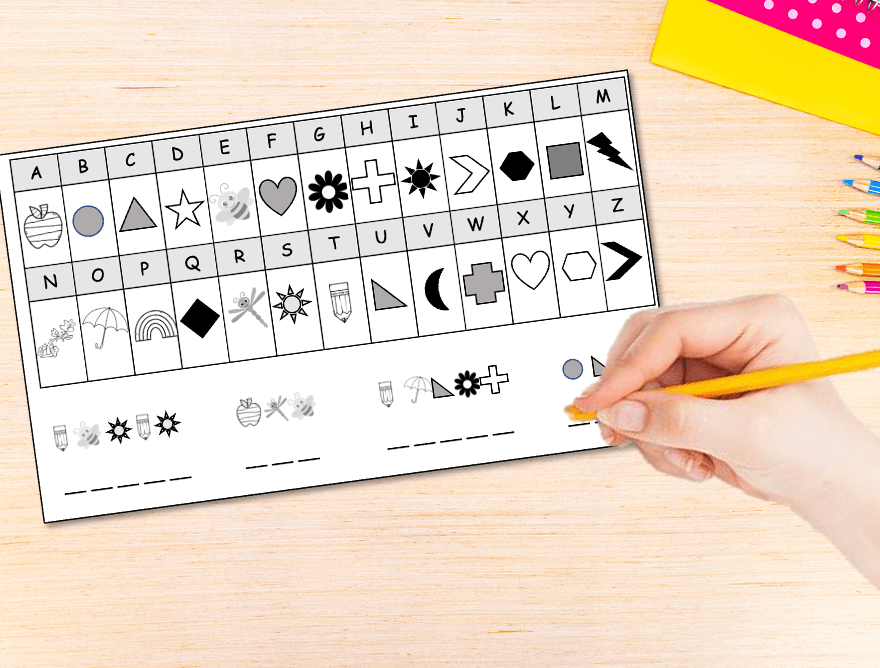
And if you want instant engagement, anything involving a code or decoding activity is a win. When students have to crack a message using numbers or symbols, they’re hooked. It turns reading and spelling into a puzzle they actually wantto solve.
I also like to include activities that combine reading and logic, like following clues or directions to complete a task. These keep students thinking step-by-step and help build comprehension skills in a natural way.
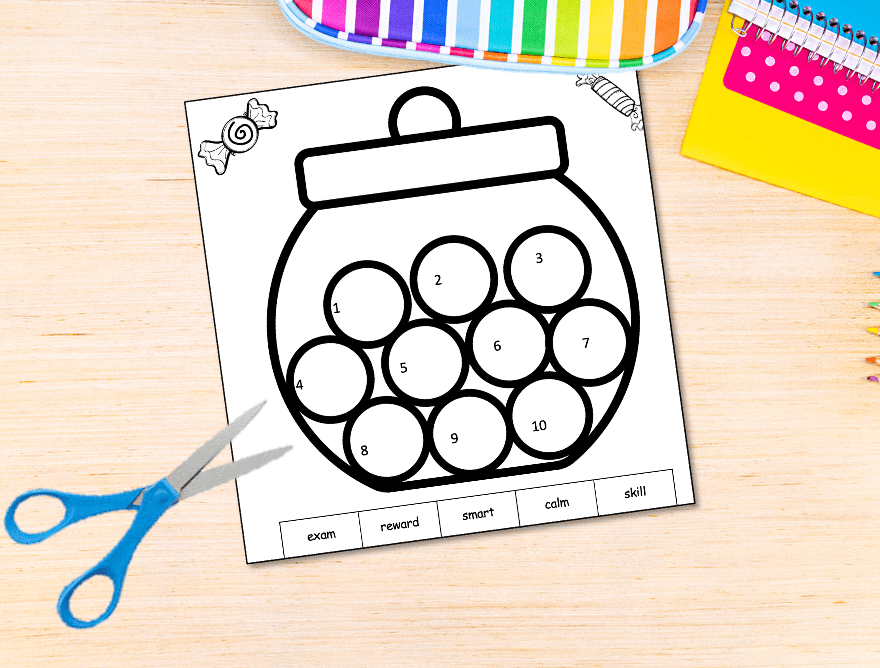
Even simple skills like alphabetical order can feel fresh when presented in a more interactive format. When students are placing words into a visual or organizing something hands-on, it feels less like practice and more like a task to complete.
This time of year is also perfect for reinforcing rhyming and word families. Matching patterns and recognizing sounds helps support fluency, and it’s easy to do without a full lesson.
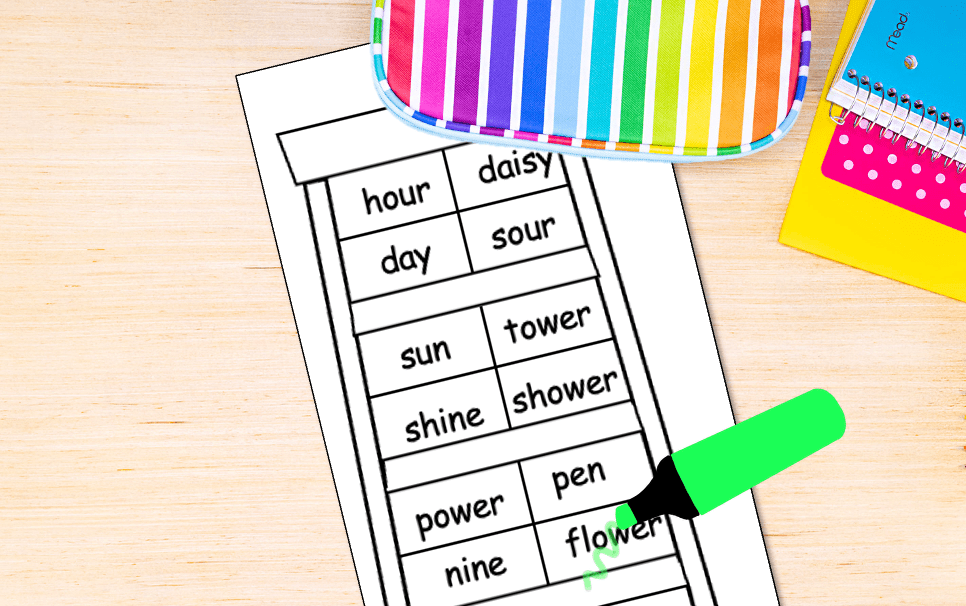
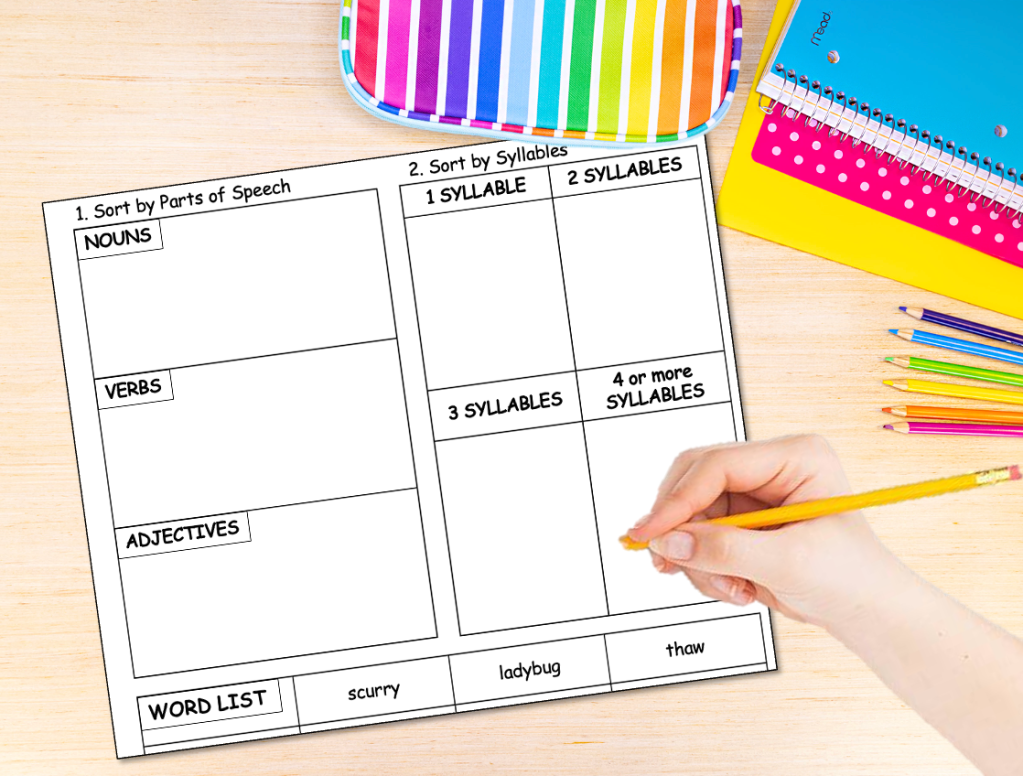
Word sorts are another easy way to keep skills sharp. Whether students are sorting by parts of speech or syllables, they’re reviewing important concepts in a way that feels manageable.
And of course, you really can’t go wrong with secret codes and puzzles. These are always a hit. Students love figuring out hidden messages, and they’ll stay focused longer than you expect because they’re invested in finding the answer.
What I’ve found over the years is this:
When you give students work that feels like a break…
but still keeps their brains working…
You get better focus.
Fewer behavior issues.
And learning that still sticks.
Because the truth is—they’ve worked hard.
They deserve a break.
And this is one you can feel really good about giving them.
If you want all these brain break activities in one place, click here: