
Working with my students (and my own kids) on vocabulary got me thinking, Why aren’t these words sticking? They could tell me the definition (most of the time), but a day or two later… it was gone. And if I asked them to use the word in a sentence, that was even harder. Sound familiar? The problem wasn’t the word list. It was what we were doing with the words. Once I started changing how we practiced vocabulary, everything started to click.
🧠 It’s Not About the List—It’s About the Thinking
Good readers don’t just know words. They think about them. I had to slow down and stop asking, “What does this word mean?” and start asking:
“What do you think this word means based on what’s happening?”
That one small shift made a big difference. At first, they weren’t sure. They would guess. Sometimes they were way off. But over time, they started paying attention to the words around it.
That’s when I knew it was working.
🎯 Do Fewer Words… But Go Deeper
I used to think more words = more learning. Not true.
When we focused on just a few words each week and came back to them again and again, I saw much better results.
We would:
- talk about the word
- draw it
- use it in a sentence
- find it in books
- connect it to something in real life
By the end of the week, those words actually stuck.
🎨 Let Them See the Word
Some words are hard to understand just by reading a definition. Words like fragile or predict need more than that.
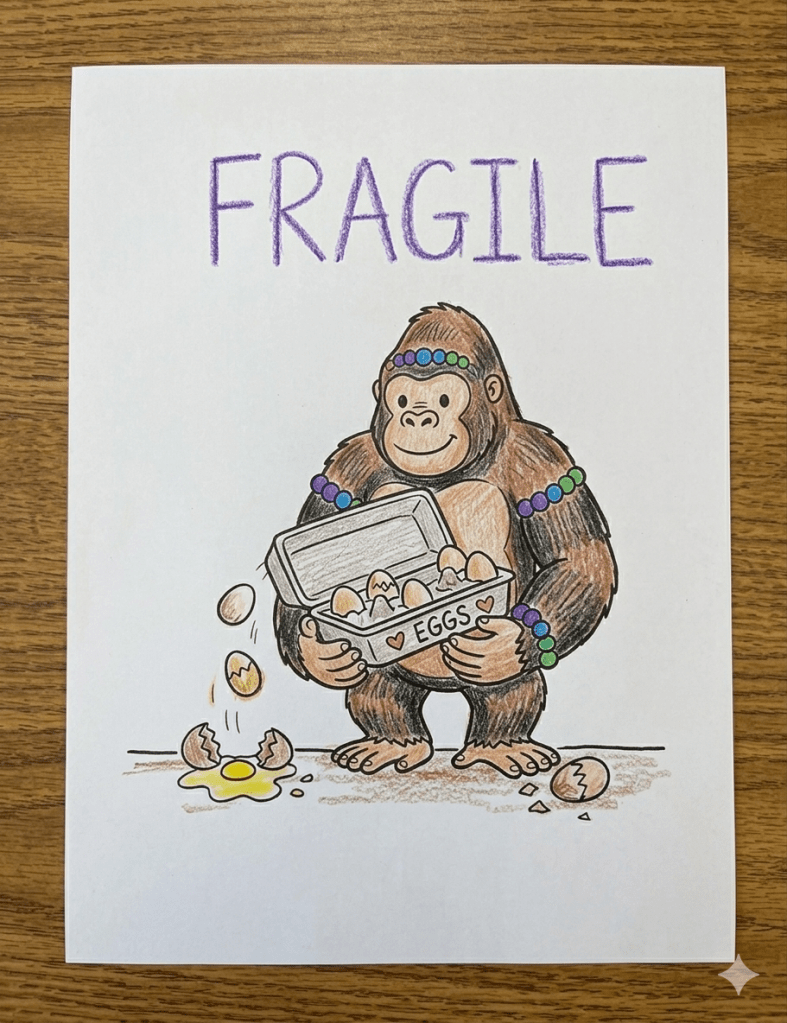
Have students:
- draw the word
- act it out
- give examples and non-examples
I noticed that when my students could picture a word, they remembered it much better.
🗣️ Use the Words (All Day Long)
Homeschooling my kids made me a better teacher in the classroom. I noticed with my own kids that I could talk about the things they were learning from morning to bedtime. I was helping them make connections all day long. That idea carried over to the classroom, especially with vocabulary.
Vocabulary shouldn’t stay on a worksheet. It needs to show up in conversation.
I would say things like:
- “Be careful—that’s fragile.”
- “Can you predict what will happen next?”
You can do the same thing in your classroom.
The more students hear and say the words, the more natural they become.
📝 Writing Is Where It Clicks
This was a big one for us. When my students had to actually use the word in writing, I could quickly tell if they really understood it. It’s okay if they use it incorrectly—that’s a teachable moment.
Start simple:
- one sentence
- then a short paragraph
It doesn’t have to be fancy. It just needs to be intentional.
🔗 Help Words Connect
Words don’t live on their own. When students start connecting words—through synonyms, antonyms, or even just “this reminds me of…”—their understanding gets stronger. This is something I didn’t do enough of early on, and it makes such a difference.
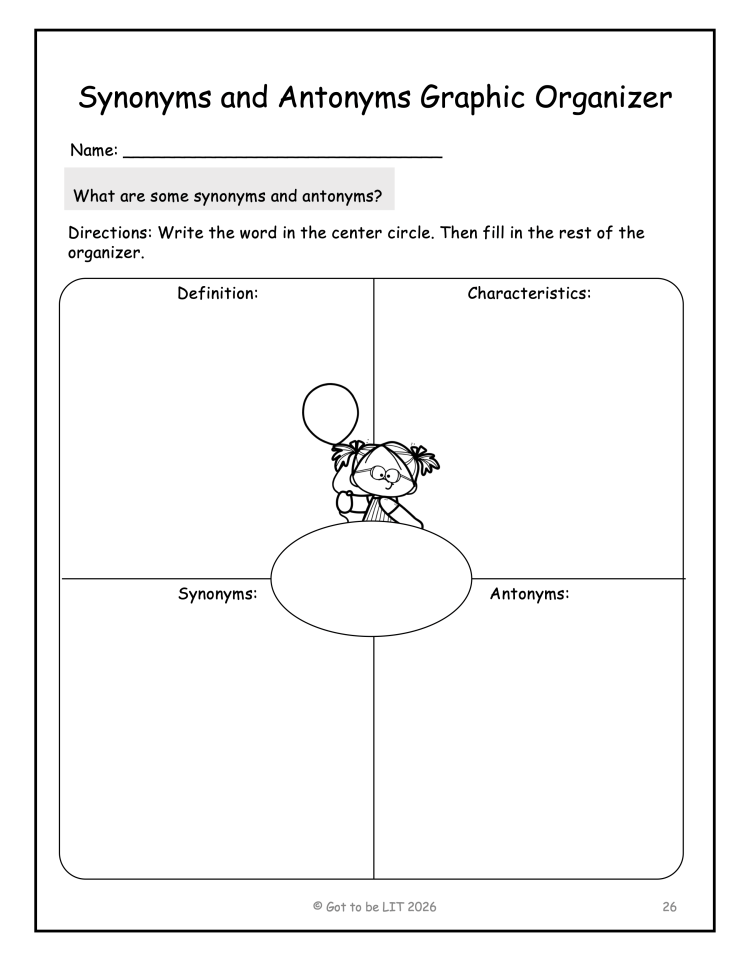
Synonyms / Antonyms Graphic Organizer
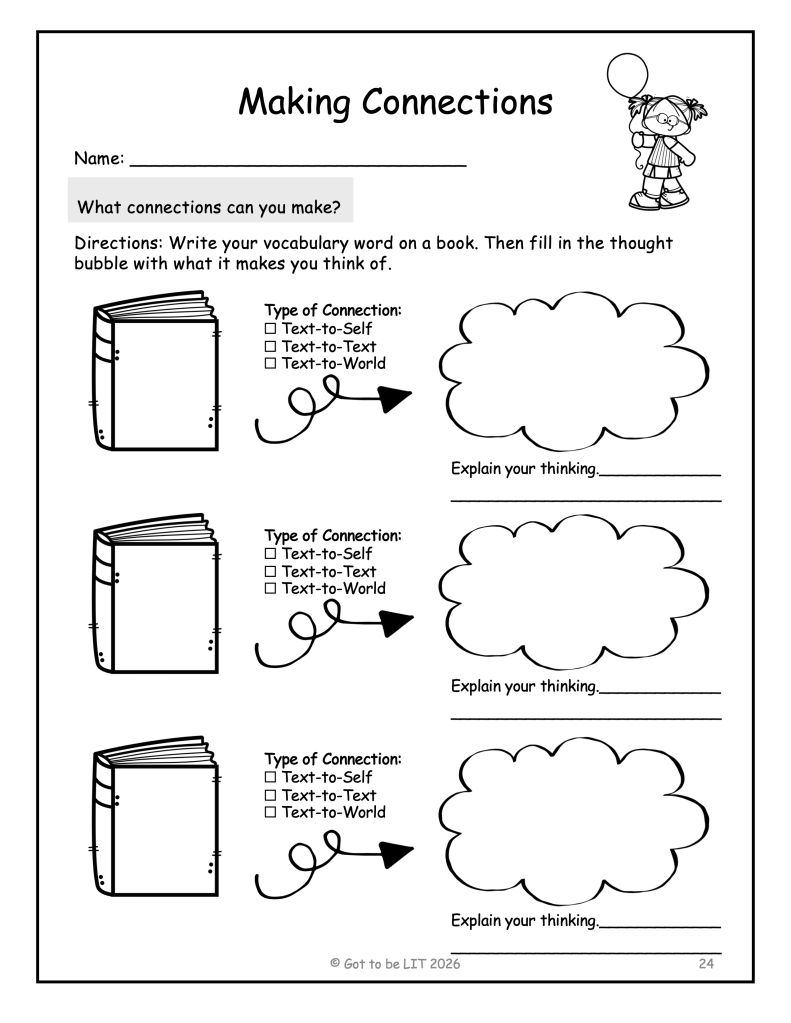
Making Connections
📌 Make It a Routine (This Is the Key)
What helped the most was not one activity—it was the routine. We didn’t just “do vocabulary” once and move on.
We came back to the words all week:
- talked about them
- used them
- noticed them
- practiced them
That repetition (without it feeling repetitive) is what made it stick.
💡 You Don’t Need a New Program
This is the best part. You don’t need a different word list or a complicated system.
You just need to:
👉 slow down
👉 go deeper
👉 and give students more ways to think about and use words
🎁 If You Want Something Ready to Use
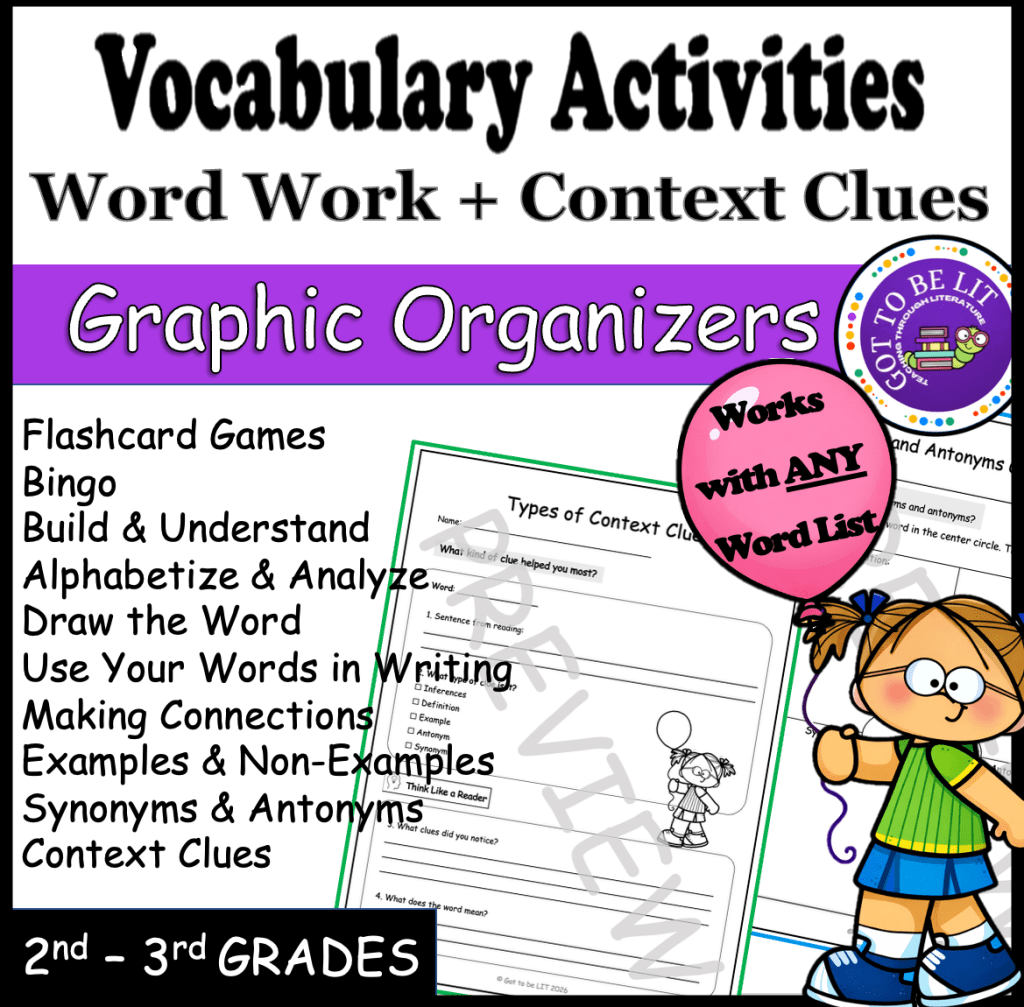
Over the years, I started creating activities that matched this routine —things we could use with any word list without starting from scratch each week.
If you want something like that ready to go, you can take a look here:
👉 Vocabulary Activities
❤️ Final Thought
Vocabulary doesn’t have to be frustrating. With a few simple shifts, it can actually become one of the most meaningful parts of your reading block.
And when students start using the words on their own… that’s when you know it’s working.


One thought on “📚 Vocabulary That Actually Sticks (Without Changing Your Word List)”