October is a wonderful month for building excitement around reading. Falling leaves, pumpkin patches, scarecrows, spiders, and Halloween provide plenty of opportunities to connect seasonal fun with meaningful literacy instruction.
It can also be a challenging month for teachers. Students are excited, classroom schedules are busy, and no one has extra time to create new lessons every week.
That is why I put together this four-week October literacy plan for first, second, and third grade. It includes engaging fall books, comprehension practice, vocabulary work, creative writing, poetry, science connections, SEL activities, and hands-on projects.
Use the entire plan, choose one theme each week, or mix and match the activities to fit your classroom.
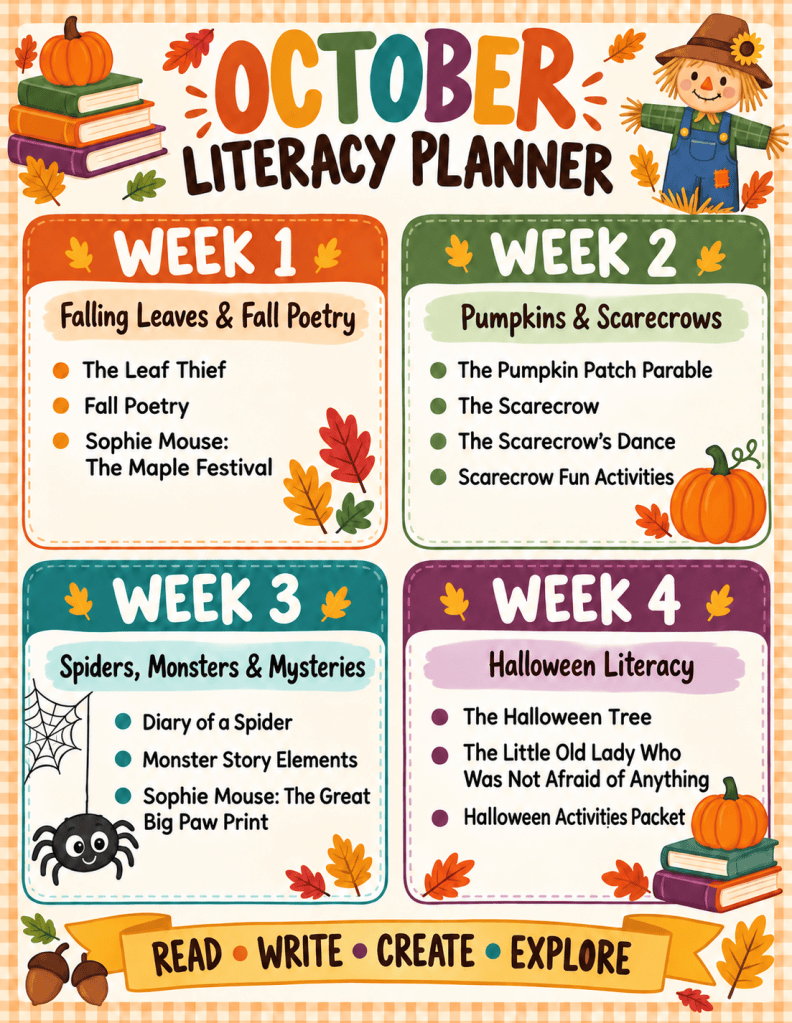
A Simple October Literacy Plan
Here is one easy way to organize your October reading activities:
- Week 1: Falling Leaves and Fall Poetry
- Week 2: Pumpkins and Scarecrows
- Week 3: Spiders, Monsters, and Mysteries
- Week 4: Halloween Reading Activities
You can use these themes during your whole-group reading lessons, small groups, literacy centers, independent work, or Friday Fun time.
Week 1: Falling Leaves and Fall Poetry
Begin the month by helping students notice the changes happening outside. Changing leaves, cooler weather, and fall celebrations make natural starting points for reading, writing, and classroom discussions.
The Leaf Thief Reading Activities
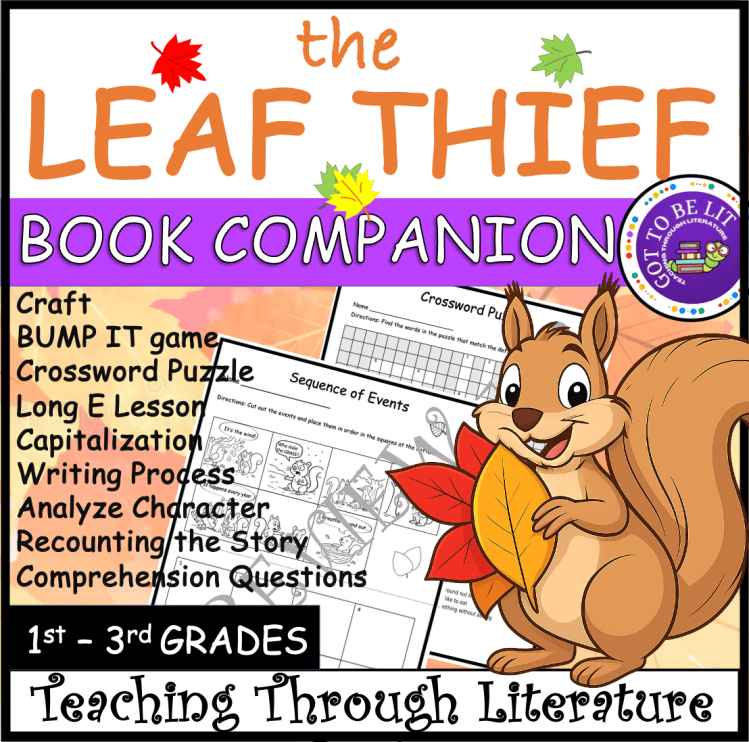
The Leaf Thief by Alice Hemming is a funny fall read-aloud about a worried squirrel who believes someone is stealing the leaves. The story gives students an entertaining way to explore the changing seasons while practicing important reading skills.
The The Leaf Thief Reading Activities can help you turn this seasonal story into a complete literacy lesson for first through third grade.
After reading, take students outside for a short leaf walk. Ask them to collect observations about the colors, shapes, and textures they see. Their observations can become descriptive sentences, journal entries, or fall poems.
Fall Poetry Writing
October is also a great time to introduce poetry. Students already have plenty of seasonal sights, sounds, smells, and experiences they can use as writing inspiration.
The Fall Poetry Unit teaches students how to write:
- Acrostic poems
- Haiku
- Cinquain poems
- Shape poems
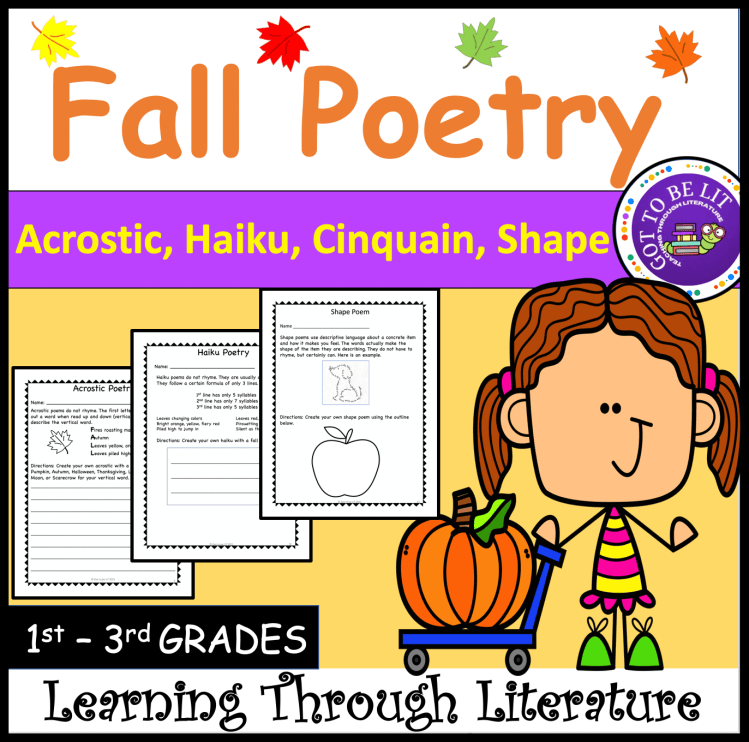
The resource includes explanations, examples, brainstorming pages, and fall-themed stationery. Students can publish their finished poems and share them during a classroom poetry reading.
For a simple fall display, pair the completed poems with student-created leaves, trees, pumpkins, or scarecrows.
A Fall Chapter-Book Option
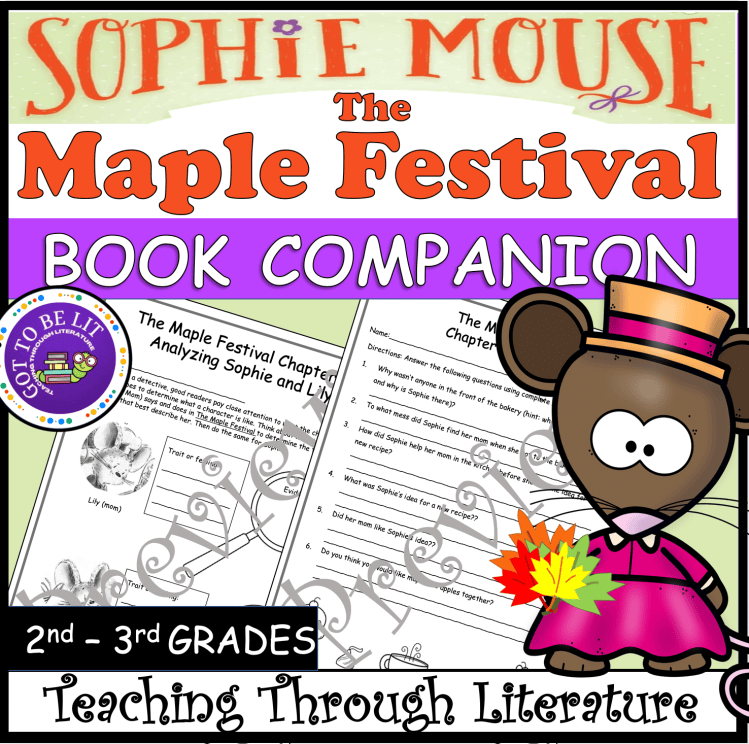
If you would like to begin an October chapter book, try The Adventures of Sophie Mouse: The Maple Festival by Poppy Green.
The Sophie Mouse: The Maple Festival Novel Study provides a seasonal chapter-book option for second- and third-grade readers. Use it for guided reading, small-group instruction, independent reading, or a class read-aloud.
Week 2: Pumpkins and Scarecrows
By the second week of October, pumpkins and scarecrows are appearing everywhere. These familiar symbols make it easy to bring seasonal themes into your reading block without sacrificing meaningful instruction.
The Pumpkin Patch Parable
For teachers, homeschool families, and Christian classrooms looking for a gentle alternative to scary Halloween stories, The Pumpkin Patch Parable by Liz Curtis Higgs is a lovely choice.
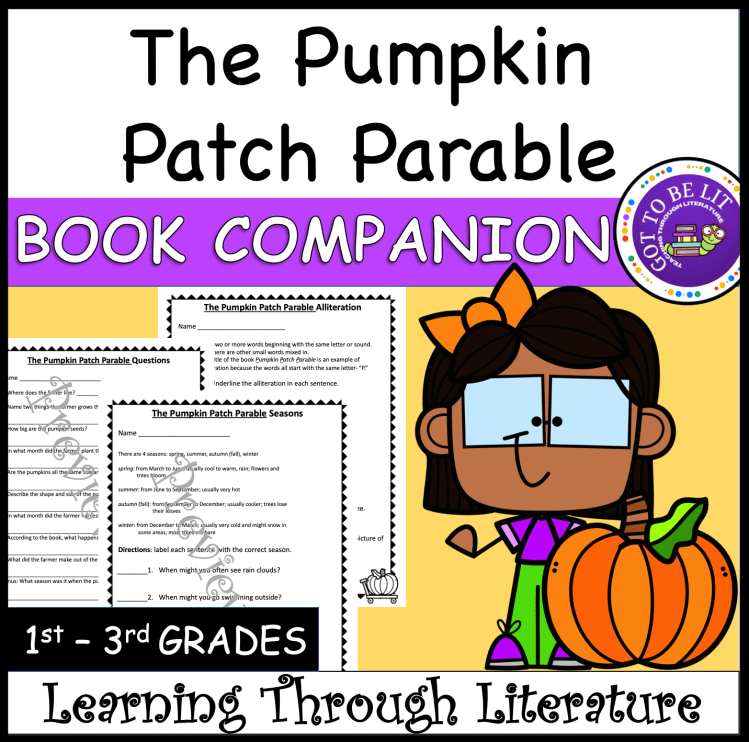
The Pumpkin Patch Parable Fall Reading Activities include comprehension, fact and opinion, alliteration, figures of speech, the pumpkin life cycle, and a craft.
This resource can be used as a stand-alone fall lesson or as part of a larger pumpkin study.
The Scarecrow
The Scarecrow by Beth Ferry is a heartwarming story about an unexpected friendship. Its beautiful language also makes it a strong mentor text for reading and writing.
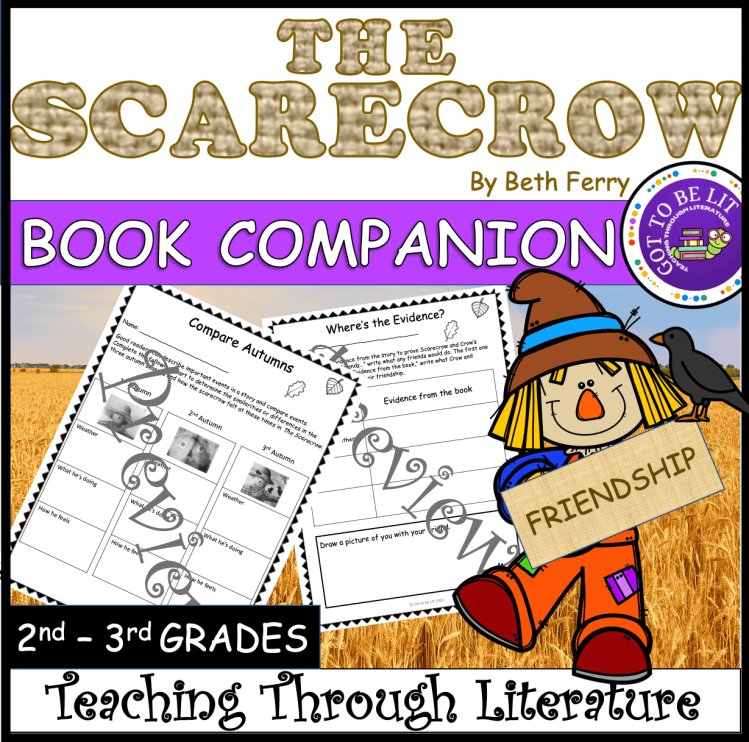
The The Scarecrow Book Companion includes activities that help students explore the story while building vocabulary, comprehension, and writing skills.
Students can also create a movable scarecrow craft to accompany their work. The finished scarecrows make an eye-catching October bulletin board.
The Scarecrow’s Dance
Continue the theme with The Scarecrow’s Dance by Jane Yolen. This lyrical story provides a natural opportunity to examine rhyme, similes, synonyms, vivid language, and poetic structure.
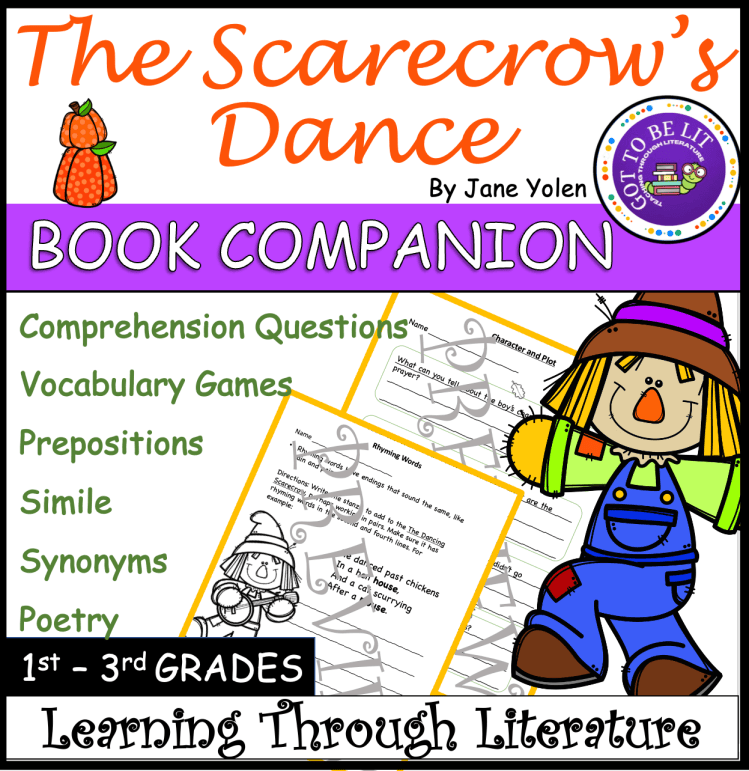
The The Scarecrow’s Dance Book Companion combines comprehension and story-element activities with poetry, figurative language, grammar, science, and creative writing.
Scarecrow Activities for Centers and Early Finishers
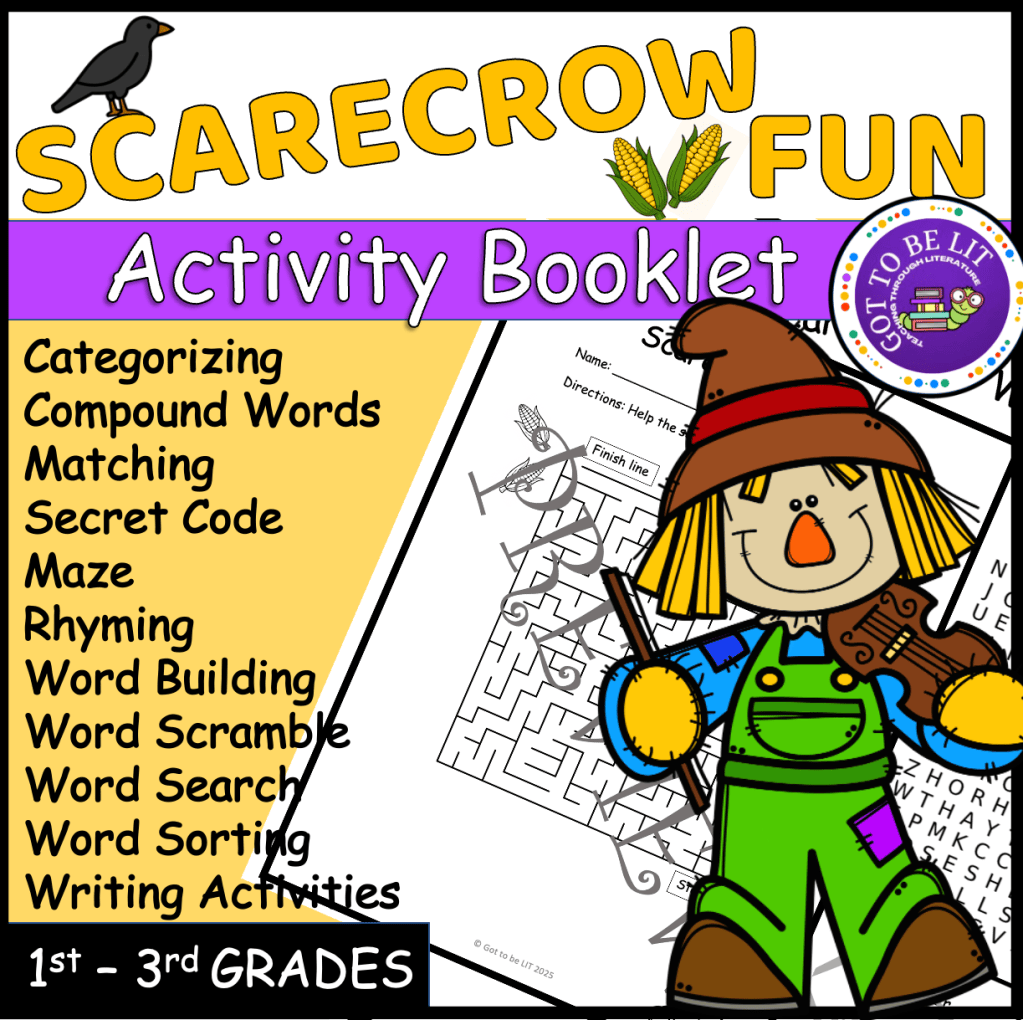
The Scarecrow Fun Fall Activities Booklet provides additional literacy practice for centers, independent work, Friday Fun, early finishers, or substitute plans.
If you would like all your scarecrow activities in one place, the Scarecrow Crafts and Fall Reading Activities Bundle includes:
- The Scarecrow book companion
- The Scarecrow’s Dance book companion
- The Little Old Lady Who Was Not Afraid of Anything book companion
- Scarecrow Fun Fall Activities Booklet
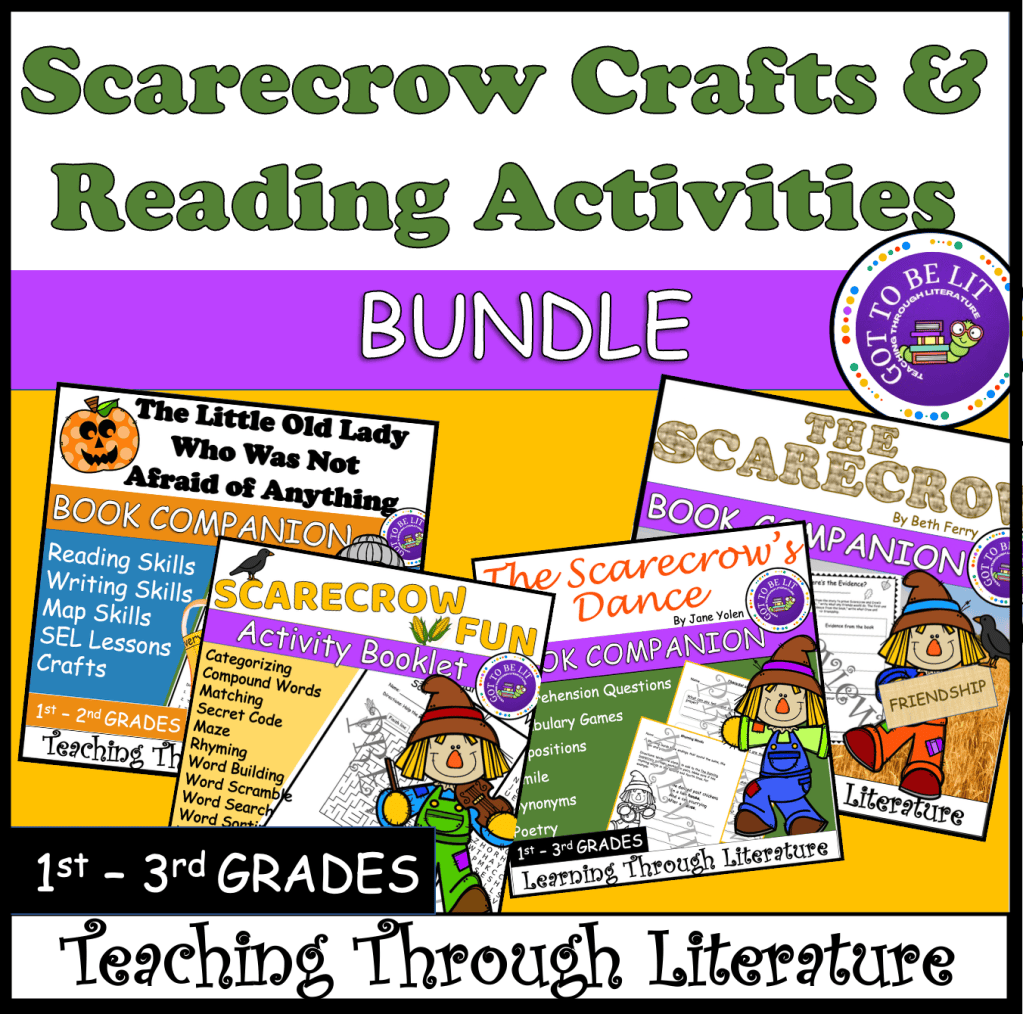
The bundle combines reading, vocabulary, writing, poetry, figurative language, SEL, and hands-on crafts into a complete scarecrow-themed literacy collection.
Week 3: Spiders, Monsters, and October Mysteries
As Halloween approaches, introduce spiders, friendly monsters, and a not-too-spooky mystery. These themes capture students’ attention while providing plenty of opportunities for comprehension, writing, science, and critical thinking.
Diary of a Spider
Diary of a Spider by Doreen Cronin blends fiction with interesting facts about spiders. Students learn through Spider’s funny diary entries while examining how authors can weave factual information into an imaginative story.
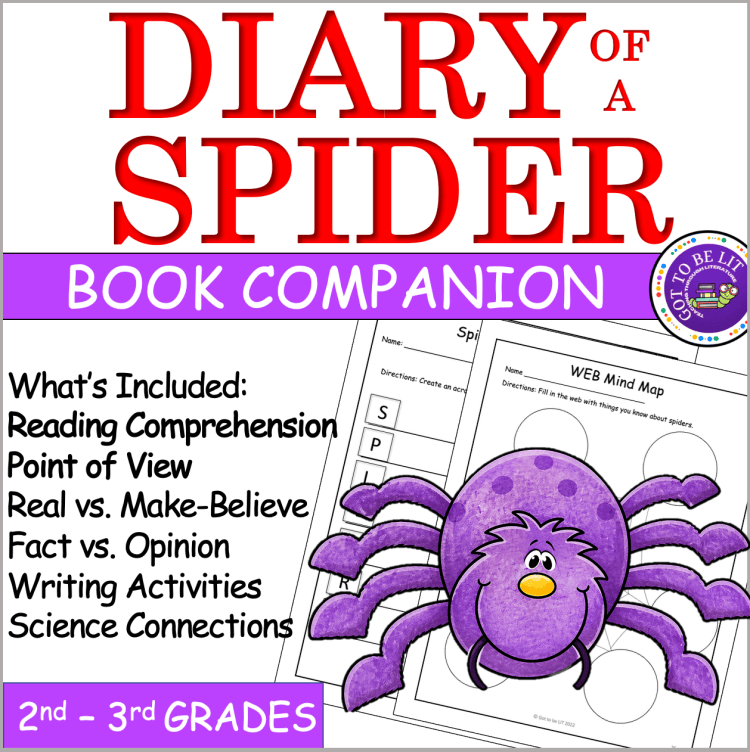
The Diary of a Spider Read-Aloud Activities connect reading, writing, and science.
Students can practice:
- Point of view
- Note-taking
- Comprehension
- Text connections
- Diary writing
- Fact and opinion
- Comparing spiders and insects
- Identifying the parts of a spider
The resource also includes poetry, a web craft, assessments, and optional activities for extending the spider theme.
Story Elements with Monster Books
Friendly monster books are perfect for teaching story elements during October.
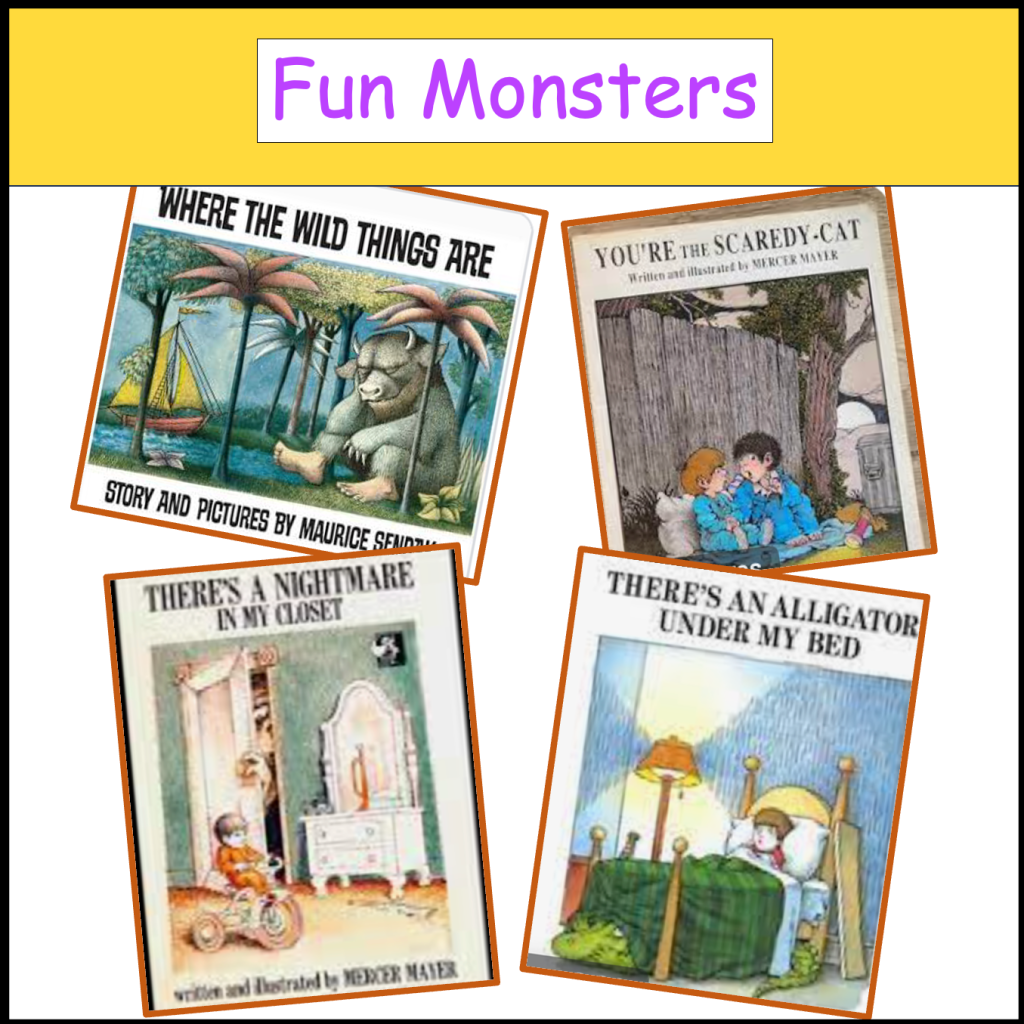
The Halloween Reading Activities with Monster Stories can be used with:
- Where the Wild Things Are by Maurice Sendak
- There’s a Nightmare in My Closet by Mercer Mayer
- You’re the Scaredy-Cat by Mercer Mayer
- There’s an Alligator Under My Bed by Mercer Mayer
Students explore setting, character, plot, point of view, letters, story retelling, compare and contrast, and book reports.
Add an October Mystery
Students who are ready for a beginning chapter book may enjoy The Adventures of Sophie Mouse: The Great Big Paw Print by Poppy Green.
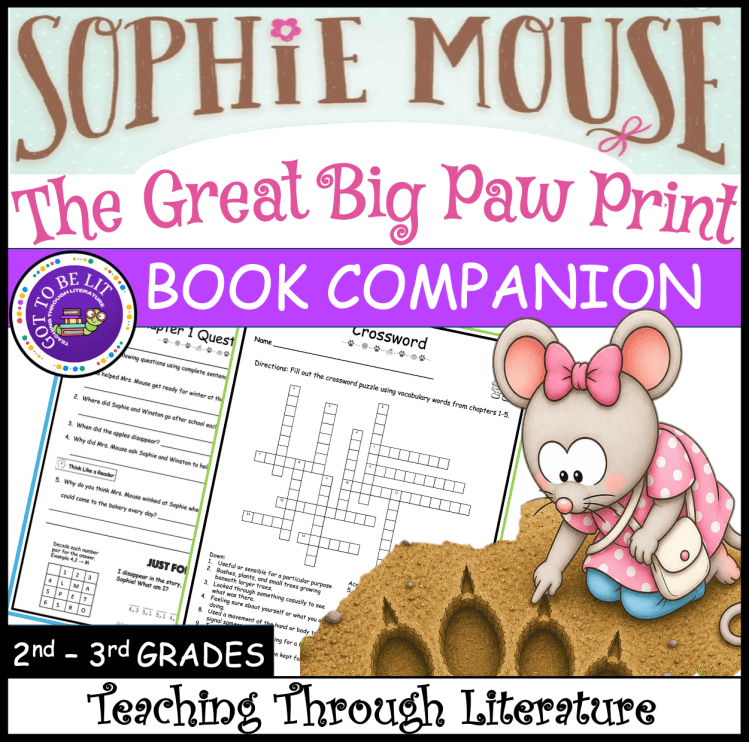
In the story, Sophie finds a mysterious paw print and sets out to discover what made it. The Great Big Paw Print Novel Study provides low-prep comprehension activities covering all nine chapters.
It is a fun October choice for guided reading, literature circles, independent reading, or a class novel study.
Week 4: Halloween Reading Activities
Halloween excitement can make it difficult for students to concentrate. The solution is not to fight the excitement—it is to use it!
Seasonal stories and activities can help students continue practicing comprehension, vocabulary, writing, and critical thinking while enjoying the anticipation of Halloween.
The Halloween Tree
The Halloween Tree by Susan Montanari follows a stubborn little tree that does not want to become a Christmas tree. It would rather be a Halloween tree!
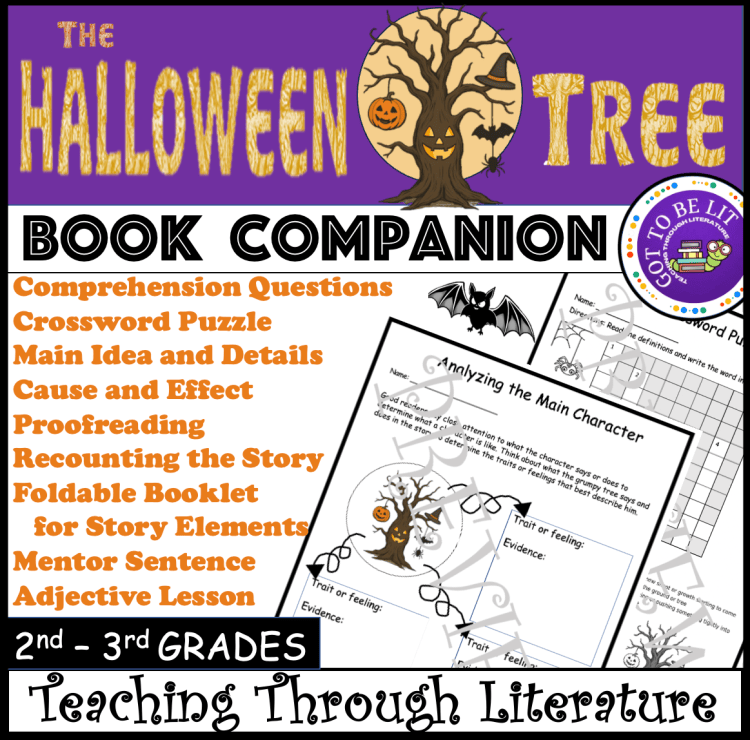
The Halloween Tree Book Companion includes purposeful reading and writing activities for second and third grade.
Students work with:
- Predictions
- Vocabulary
- Main character
- Cause and effect
- Sequence of events
- Compare and contrast
- Story elements
- Text connections
- Comprehension questions
- Descriptive writing
- Mentor sentences and editing
The Little Old Lady Who Was Not Afraid of Anything
The Little Old Lady Who Was Not Afraid of Anything by Linda Williams is a favorite October read-aloud that combines movement, repetition, suspense, and humor.
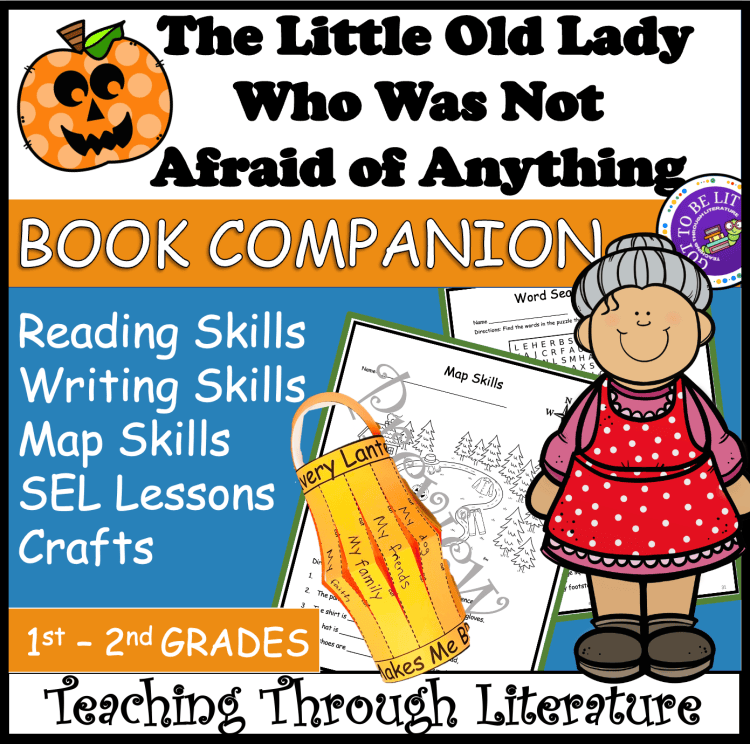
The Little Old Lady Who Was Not Afraid of Anything Book Companion includes comprehension, sequencing, vocabulary, writing, story retelling, map skills, crafts, and SEL lessons about courage and bravery.
Students can make a scarecrow or create a bravery lantern after considering what it means to act courageously even when something feels frightening.
Halloween Activities for Independent Practice
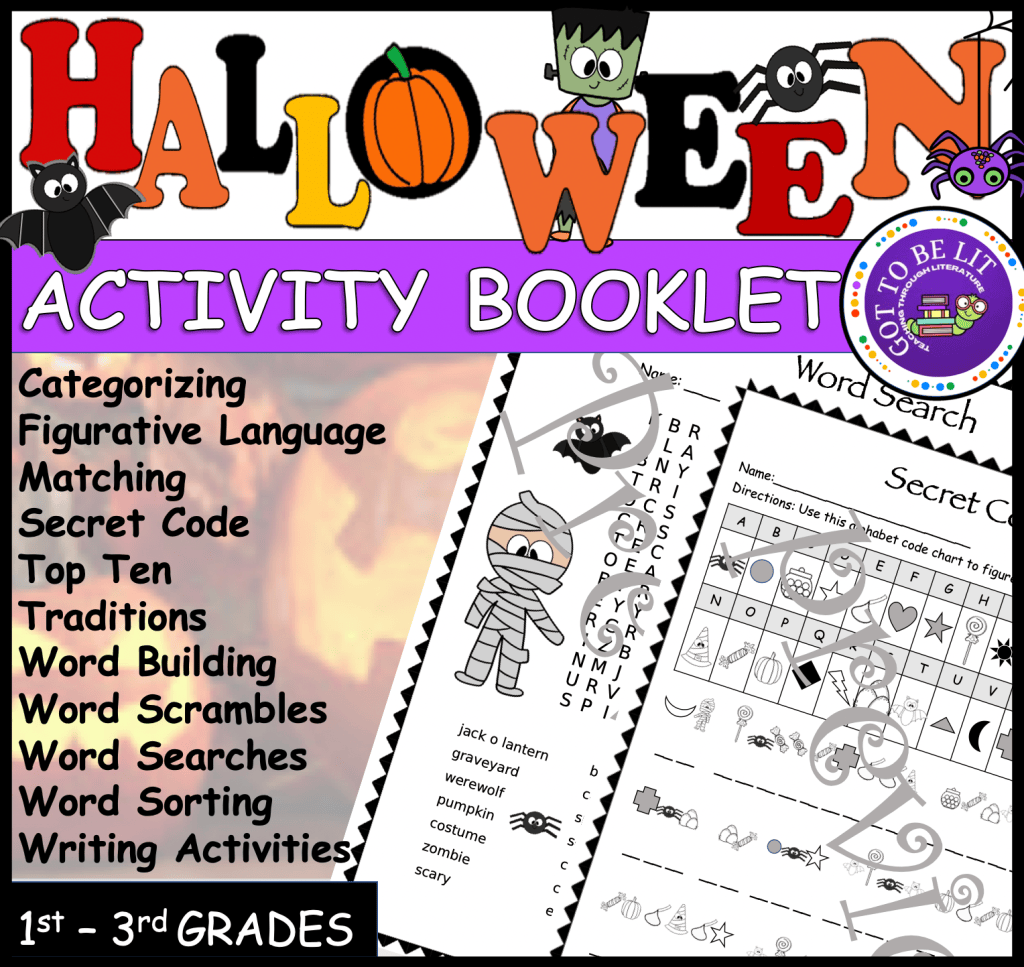
The Halloween Activities Packet gives students seasonal practice with literacy and problem-solving skills.
Activities include:
- Categorizing
- Figurative language
- Decoding
- Poetry
- Secret codes
- Word building
- Word scrambles
- Word searches
- Word sorting
- Creative writing
Use individual pages in literacy centers, place them in an early-finisher basket, or assemble them into a booklet students can complete throughout Halloween week.
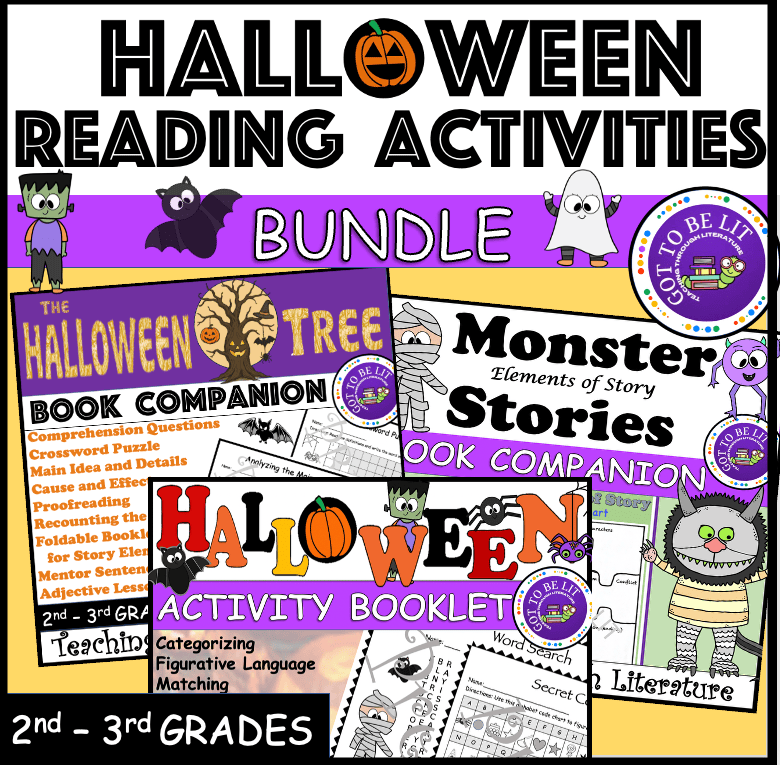
For an easy all-in-one option, the Halloween Reading Activities Bundle combines The Halloween Tree, the monster story lessons, and the Halloween Activities Packet.
Flexible Reading Activities for Any October Book
You do not need a separate worksheet for every fall story you read.
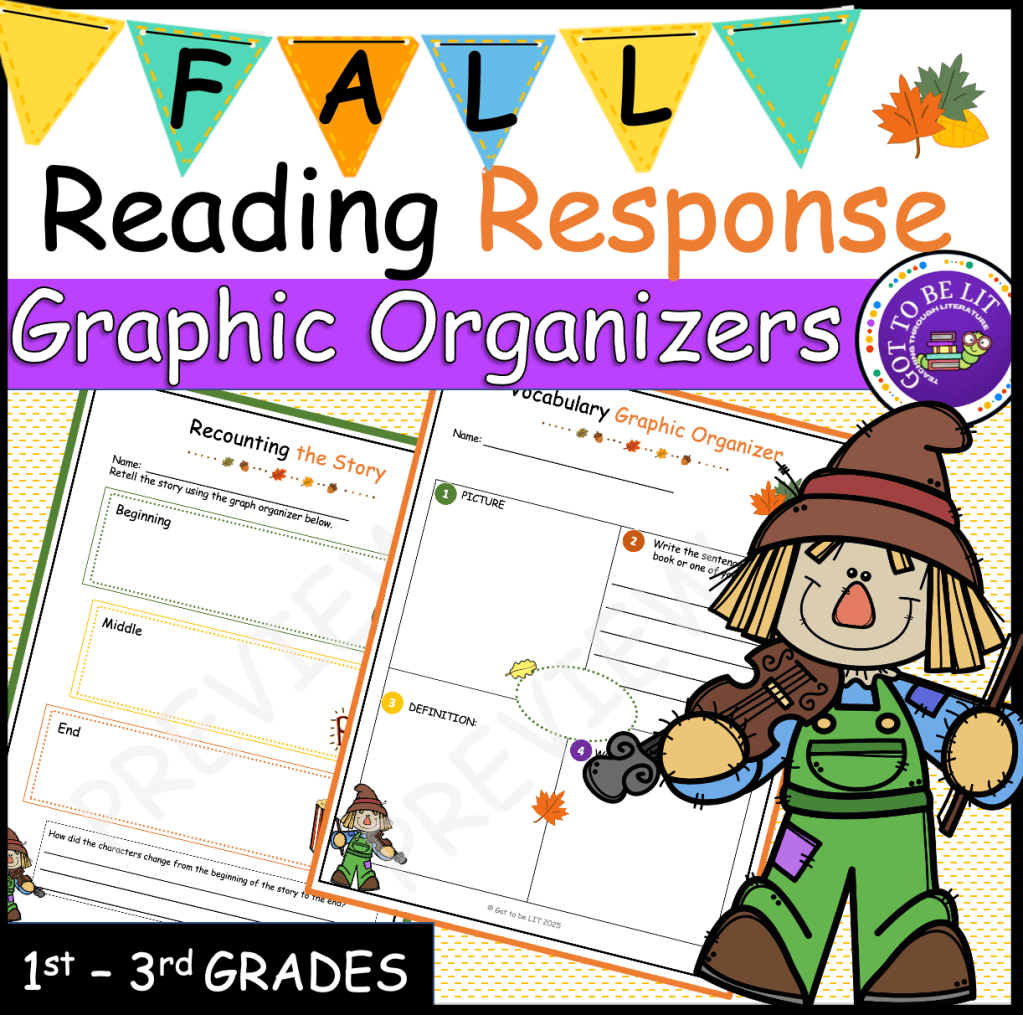
The Fall Reading Response Activities can be paired with a variety of fall picture books and read-alouds. Keep several copies ready and allow students to respond to the seasonal books they choose during independent reading.
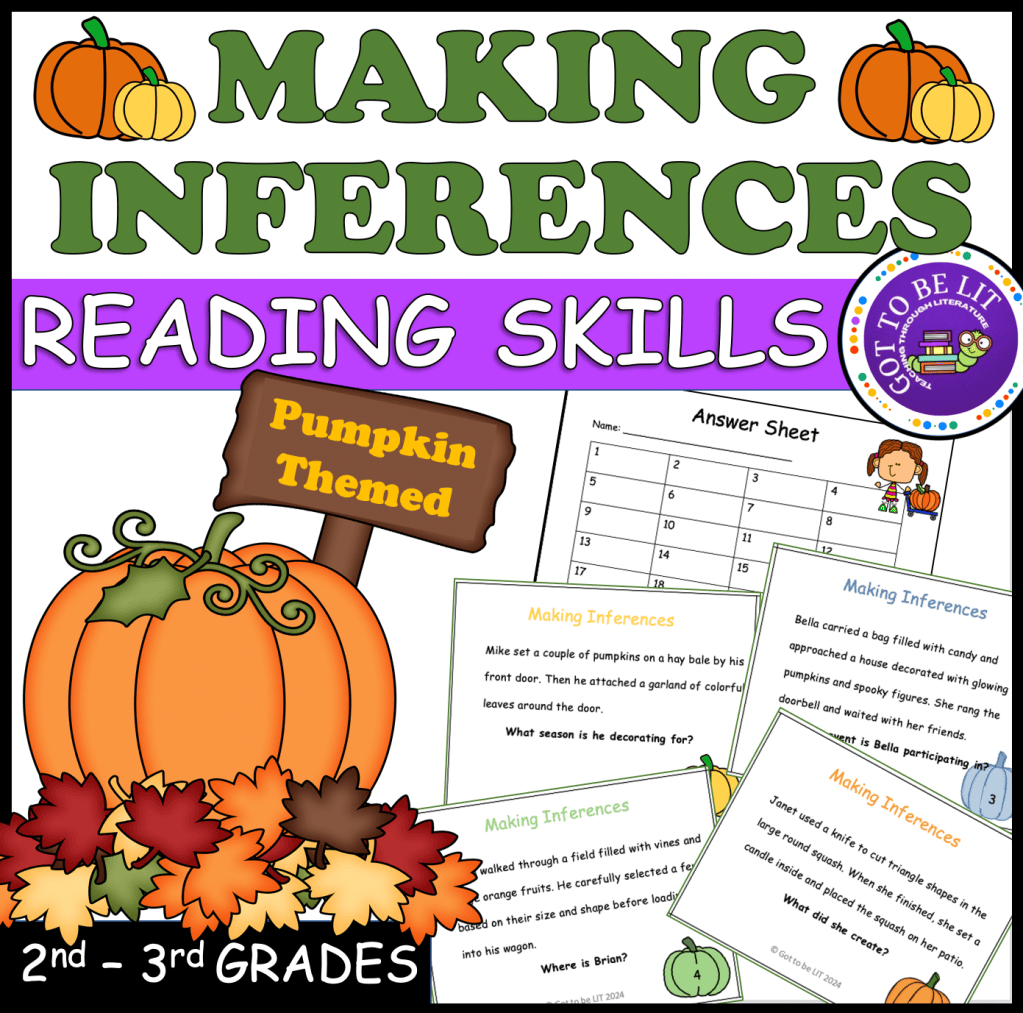
The Fall Making Inferences Task Cards provide another flexible option. Add them to literacy centers, use them during small groups, or project the larger cards for whole-class modeling.
These versatile resources are especially helpful for:
- Literacy centers
- Morning work
- Early finishers
- Small-group practice
- Informal assessment
- Homework
- Substitute plans
Tips for Planning Your October Reading Lessons
October planning does not need to be complicated. Begin with one featured book and choose the activities that address the skills your students need most.
You might select:
- One vocabulary activity
- One comprehension organizer
- One writing response
- One hands-on project
- One independent review activity
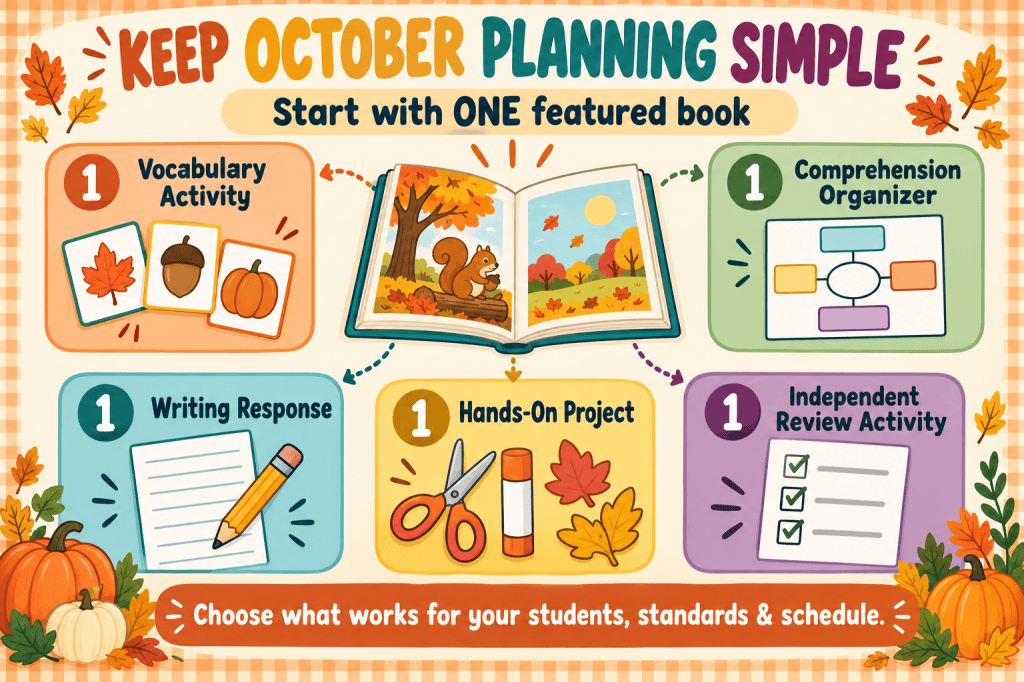
You do not have to use every page in a book companion. The variety is there so you can choose what works best for your students, your standards, and your schedule.
After more than 30 years of teaching, I know that educators need resources that are meaningful, engaging, and realistic to implement. My goal is to help you save planning time without sacrificing strong reading instruction.
Get Ready for a Month of Fall Reading Fun
Whether you need one memorable October read-aloud or several weeks of seasonal literacy lessons, these fall resources will help you keep students learning during one of the most exciting months of the school year.
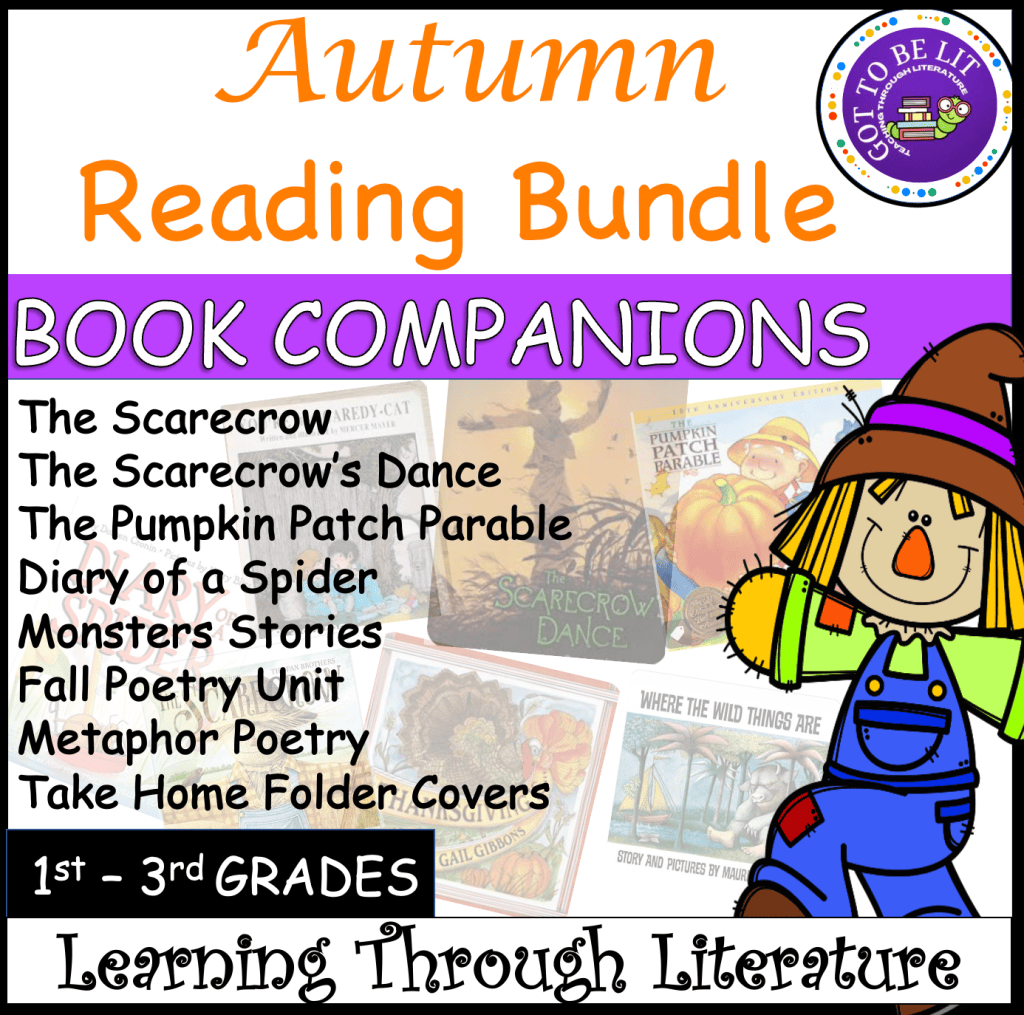
For the best value, explore the Fall Reading Activities Bundle for Halloween and Thanksgiving. It includes book companions, fall-themed crafts, literacy practice, poetry, science connections, and activities that can carry your class from October through Thanksgiving.
Choose your favorite fall books, print the activities that meet your students’ needs, and enjoy a month filled with thoughtful—and fun—reading!
Books are not included with the resources unless specifically stated in an individual product listing.
Discover more from Got to be LIT
Subscribe to get the latest posts sent to your email.

