If you’re anything like me, one great picture book can spark an entire week of reading, writing, and critical-thinking lessons. Over the years, I’ve learned to take a single read-aloud and expand it into a complete, ready-to-teach literacy pack that hits multiple standards—without feeling like “busy work.”
Here’s a peek at how I do it—step by step—so you can try it, too!
Step 1: Choose a Story That Does the Heavy Lifting
Not every book works equally well for extended lessons. I look for:
- Strong characters students can analyze and connect with
- A clear problem/solution for sequencing and comprehension work
- Rich language—Tier 2 vocabulary and figurative expressions
- A theme teachers can extend into SEL or writing (e.g., courage, kindness, or perseverance)
Example: How to Catch a Turkey is perfect around Thanksgiving because it’s funny, high-energy, and full of problem-solving moments kids can retell or act out.
Step 2: Map the Skills Before Making the Pages
I start by jotting a “skills snapshot.” Which standards can this story naturally teach? For most books, I can weave in:
- Predicting & Visualizing
- Vocabulary in Context
- Character Traits + Evidence
- Sequence of Events
- Main Idea & Details
- Writing Prompts or Response Pages
This quick map keeps me from over-creating or missing a key standard.
Step 3: Build Interactive Vocabulary Activities
Vocabulary is where engagement really takes off. I always design:
- Word cards with kid-friendly definitions for centers or games
- A Word Wall version for display
- ABC Order / Word Sorts for word-work stations
- A short context clue mini-lesson teachers can use whole-group
These pages give teachers flexibility—students can play, sort, or write depending on their level.
Step 4: Layer in Comprehension Tasks That Build Depth
This is the heart of the bundle. I sequence tasks from easiest to most analytical:
- Sequence of Events – recalling story order
- Detail Mix-Up or Graphic Organizer – finding and sorting details
- Character Analysis – inferring feelings, traits, and evidence
- Cause and Effect – connecting actions and outcomes
- Text Connections – linking story to self or another text
- Summarizing & Writing Response – wrapping it all together
Each page scaffolds naturally, so a teacher could teach the whole week—or pick and choose what fits.
Step 5: Add a Creative Extension
I always finish with a craft, STEM tie-in, or SEL reflection that connects to the story’s theme.
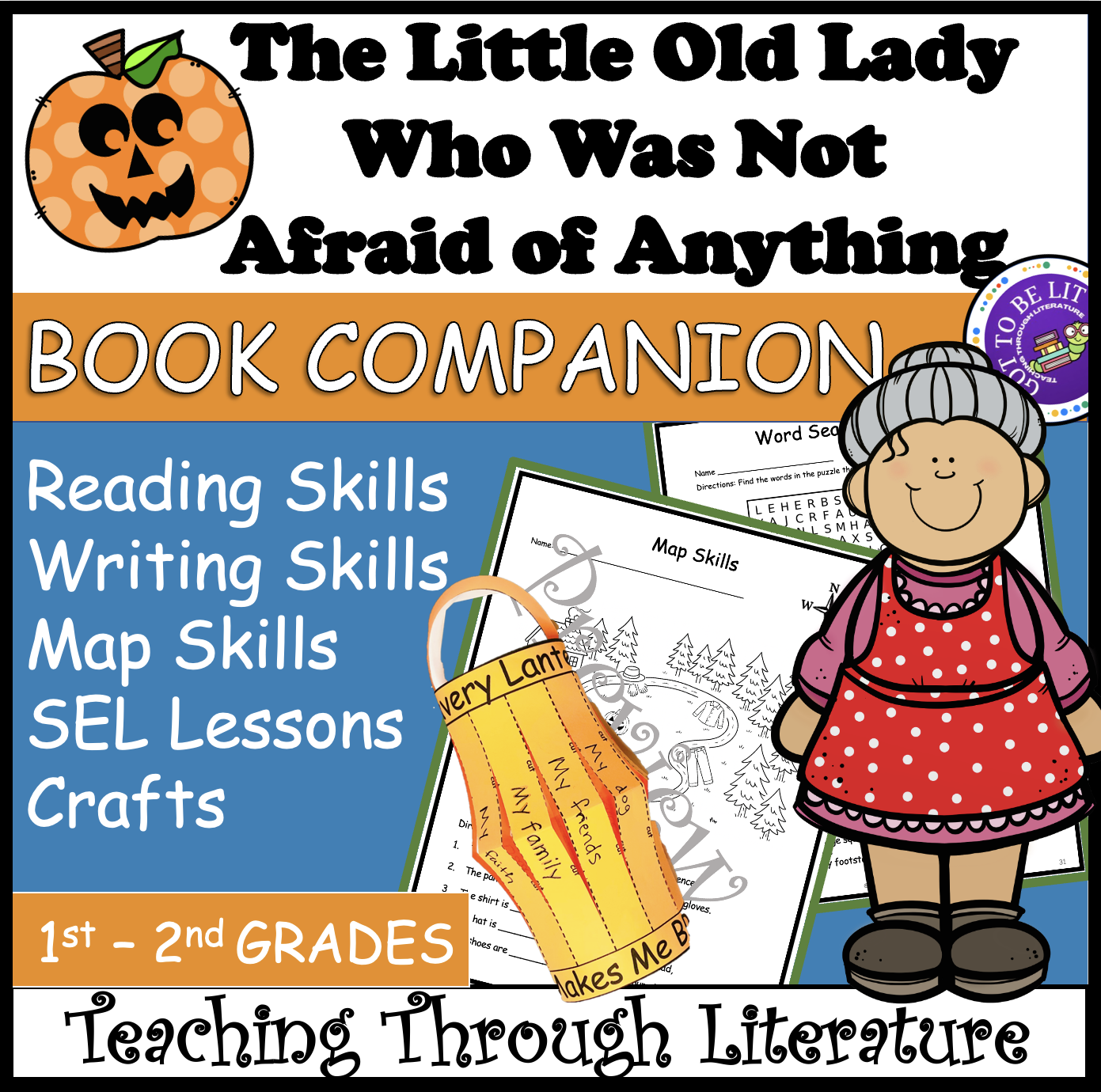
- For The Little Old Lady Who Was Not Afraid of Anything, students make Bravery Lanterns to symbolize how courage can light the way, even when things feel scary. For more information on this book companion click here.
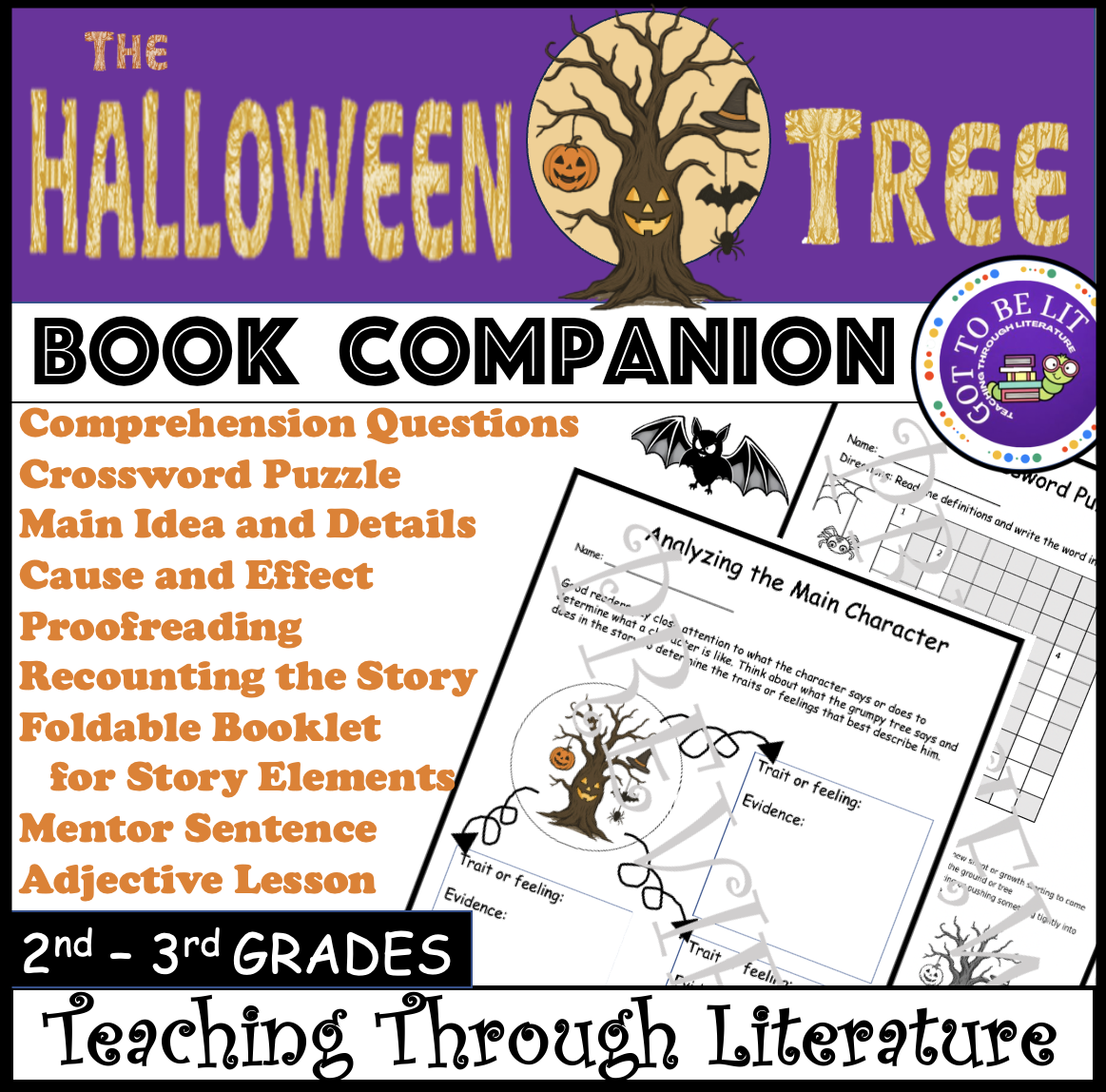
- For The Halloween Tree, they answer reflection questions as the main character, inferring feelings and motives throughout the story.
- For How to Catch a Turkey, they design a trap (STEM) and write reflection questions.
These projects add joy and help students internalize the book’s message while practicing higher-order thinking in creative ways.

Step 6: Package + Polish for Teachers
Finally, I:
- Write clear teacher instructions
- Organize by skill sequence (pre-reading → vocabulary → comprehension → writing → extension)
- Add answer keys and pacing ideas
- Create print-friendly and digital-friendly versions
- Finish with branded covers and consistent fonts/colors (for me, purple + white “Got to Be LIT” style)
Teachers shouldn’t have to think about logistics—they should be able to open, print, and teach.
Why I Love This Process
Turning one story into a complete literacy pack saves time, deepens comprehension, and helps students see reading as an interconnected experience—not isolated worksheets. Plus, it’s just plain fun to watch them light up when they realize, “Hey, this connects to what we did yesterday!”
💜 Want to Try It?
If you’d rather skip the prep, explore my ready-made Book Companion Collection in my TpT store, Got to Be LIT, designed especially for 2nd–3rd-grade classrooms.
If you want to learn more about the benefits of using read-alouds in the classroom, click here.
Click this button to go directly to my TpT store.
Discover more from Got to be LIT
Subscribe to get the latest posts sent to your email.

