

As elementary educators, we aim to equip young learners with the foundational skills they need to succeed academically and in life. A crucial aspect of achieving this goal is implementing effective literacy instruction. One approach that has gained traction in recent years is structured literacy. In this article, I will delve into structured literacy, its components, and its significance in elementary education.
Defining Structured Literacy
Structured literacy is a comprehensive approach to teaching literacy that includes a cluster of components designed to logically and clearly teach foundational reading and writing skills. This method goes beyond simple exposure to letters and words; it involves a strategic, intensive, and multi-modality instructional approach to ensure that every student, including those struggling with reading, has a strong foundation in literacy.
The Components of Structured Literacy
Structured literacy incorporates several key components that work in tandem to build a solid foundation in literacy skills:
1. Explicit Instruction: In a structured literacy approach, instruction is explicit and clear. Teachers explicitly teach the relationships between sounds and letters, phonemic awareness, phonics rules, syllable patterns, and other essential reading and writing components. This level of direct instruction helps students understand the mechanics of language more deeply.
2. Systematic Instruction: The instruction in structured literacy is carefully planned and follows a logical progression. Concepts are introduced in a specific order, building on each other as students master one skill before moving on to the next. This systematic approach ensures students develop a strong and coherent understanding of language structure.
3. Intensive Practice: Structured literacy involves extensive practice to reinforce skills. Repetition is crucial in developing automaticity – the ability to recognize words and decode them rapidly. By engaging students in meaningful and repeated practice, educators help solidify the connections between letters, sounds, and words.
4. Multi-Modality Approach: This approach recognizes individuals’ learning styles and strengths. Structured literacy integrates various modalities, such as auditory, visual, and kinesthetic techniques, to cater to diverse learners like:
- Auditory Techniques:
- Phonemic Awareness Games: Engaging students in activities like rhyming games, blending sounds, or segmenting words orally to strengthen their ability to hear and manipulate individual sounds.
- Oral Reading: Encouraging students to read aloud or participate in shared reading to reinforce their phonemic awareness and fluency.
- Visual Techniques:
- Phonics Charts and Flashcards: Using charts displaying letter-sound relationships and flashcards with sight words or phonics patterns to reinforce visual recognition of words.
- Word Walls: Creating word walls in the classroom with sight words and frequently used vocabulary for students to refer to and reinforce their visual memory.
- Kinesthetic Techniques:
- Sensory Writing: Having students use sandpaper letters or textured materials to trace letters and words, engaging their sense of touch to reinforce letter formation and word recognition.
- Tactile Manipulatives: Using tools like letter tiles or magnetic letters for hands-on activities, allowing students to physically manipulate and arrange letters to create words and explore spelling patterns
The Significance of Structured Literacy
Structured literacy holds immense significance in elementary education for several reasons:
1. Equity and Inclusion: By providing explicit and systematic instruction, structured literacy ensures all students have equal access to foundational literacy skills. It is particularly beneficial for students with dyslexia or other reading difficulties, as it addresses their needs.
2. Early Intervention: Structured literacy can be a powerful tool for early intervention. By identifying struggling readers and providing targeted instruction, educators can prevent reading difficulties from escalating and provide timely support.
3. Foundation for Future Learning: Literacy skills are a cornerstone of education. A strong foundation in reading and writing opens doors to success in all other subjects. Structured literacy equips students with the tools to comprehend texts, express themselves effectively, and excel academically.
4. Confidence and Engagement: As students experience success in reading and writing, their confidence and engagement in learning are likely to increase. They will be more motivated to participate actively in classroom activities and explore the world of literature.
Conclusion
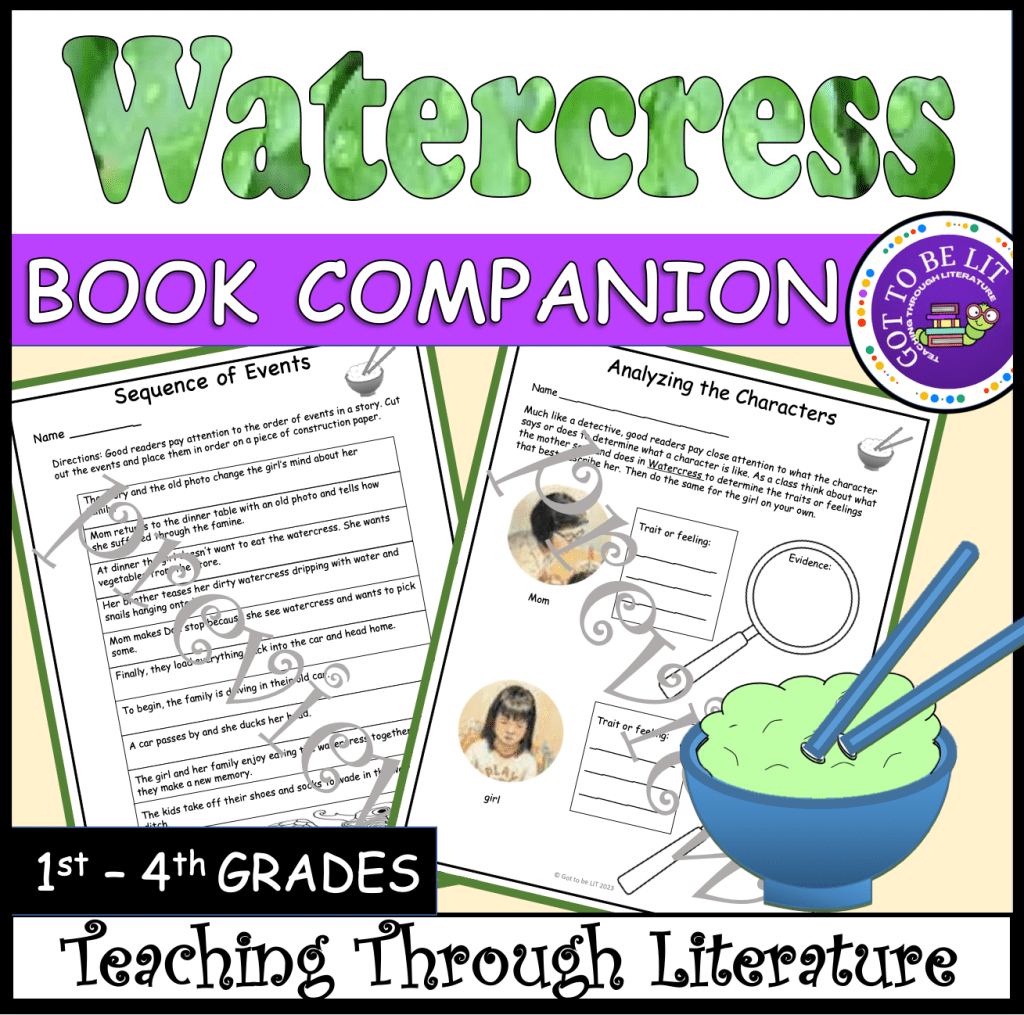
In conclusion, structured literacy offers elementary educators a comprehensive approach to teaching foundational reading and writing skills. This approach ensures that every student can develop strong literacy skills by incorporating explicit, systematic, intensive, and multi-modality instruction. To aid you in the journey of structured literacy, all of the book companions I create equip educators to teach in a structured way, equip students with the tools to comprehend texts, provide practice for students in many literacy skills, and promote engagement in learning with fun and interesting book choices. As you embrace structured literacy in your classrooms, you’ll equip your students with the essential tools they need for a lifetime of learning and achievement, and my book companions can help.

Discover more from Got to be LIT
Subscribe to get the latest posts sent to your email.

