Making connections in reading and listening, specifically through text-to-text, text-to-self, and text-to-world connections, is a crucial skill for young students. These connections not only enhance their comprehension but also contribute significantly to the development of their critical thinking skills. Let’s explore why these connections are so important and how they benefit your students’ growth.
1. TEXT-TO-TEXT CONNECTIONS:
Text-to-text connections involve relating what a student is currently reading or listening to with other texts they have encountered. This connection allows students to:
- Build a rich context: By connecting the text they are reading or listening to with other books or stories they know, students can better understand the themes, characters, and plot elements. This helps them anticipate events and make more informed predictions.
- Compare and contrast: Encouraging students to compare and contrast different texts fosters critical thinking. They learn to identify similarities and differences in themes, characters, and writing styles. This process helps them develop a deeper understanding of literary elements.
2. TEXT-TO-SELF CONNECTIONS:
Text-to-self connections involve relating the content of the text to their personal experiences, thoughts, or feelings. These connections help students:
- Relate to the material: When students can see themselves in the story or relate it to their own lives, their engagement and motivation to read or listen to the text increases. They become emotionally invested in the material.
- Analyze their own experiences: Encouraging students to think about how the text mirrors or differs from their experiences promotes reflection and critical thinking. They learn to empathize with characters and consider various perspectives.
3. TEXT-TO-WORLD CONNECTIONS:
Text-to-world connections involve relating the text to the broader world or real-life events. These connections help students:
- Understand the broader context: By connecting the text to current events, historical occurrences, or societal issues, students gain a deeper understanding of the world around them. This widens their perspective and encourages them to think critically about the text’s relevance.
- Question and analyze: When students connect the text to real-world situations, they are more likely to ask questions and analyze the material critically. They might explore how the text’s themes or lessons apply to society or the challenges people face.
Improving Critical Thinking:
Making these connections is not just about finding similarities; it’s about analyzing and evaluating them. When students actively engage in text-to-text, text-to-self, and text-to-world connections, they develop critical thinking skills in several ways:
- Comparative Analysis: Students learn to analyze and evaluate different texts, characters, and situations, helping them develop a critical eye for details and nuances.
- Reflection: Text-to-self connections encourage self-reflection, helping students develop self-awareness and the ability to question their own thoughts and beliefs.
- Inquiry: Text-to-world connections spark curiosity and encourage students to ask questions about the world around them. This inquiry mindset is essential for developing critical thinking skills.
- Empathy: Through text-to-self connections, students learn to empathize with characters and people in real-life situations, which is a critical aspect of understanding and solving complex societal problems.
Incorporating these connections into your teaching will not only enhance your students’ comprehension but also lay the foundation for strong critical thinking skills that will serve them well throughout their lives. Encourage your students to make these connections and guide them in exploring the deeper meanings within the texts they encounter.
Let’s use the children’s book “The Very Hungry Caterpillar” by Eric Carle to illustrate how to make text-to-text, text-to-self, and text-to-world connections with young students:
Text-to-Text Connection: Ask your students if they have read or heard other stories about caterpillars or insects. Maybe they’ve encountered books like “The Grouchy Ladybug” also by Eric Carle, or “The Mixed-Up Chameleon” by the same author. Discuss how these books might have similar themes, such as growth and transformation, or how they might have different characters and settings. Encourage them to make connections by saying, “In ‘The Very Hungry Caterpillar,’ the caterpillar eats a lot, just like the Grouchy Ladybug who’s always hungry. How are these two stories similar in that way?”
Text-to-Self Connection: Prompt your students to think about times when they were really hungry and what they chose to eat. Encourage them to share their personal experiences. For example, a student might say, “One time, I was so hungry that I ate three apples in a row, just like the caterpillar in the book.” Validate their experiences and connect them to the story by saying, “Wow, it sounds like you were just as hungry as the caterpillar in ‘The Very Hungry Caterpillar.’ How did you feel after eating all those apples? Did you feel full and happy like the caterpillar?”
Text-to-World Connection: Discuss the life cycle of a butterfly, and how the caterpillar in the book eventually transforms into a beautiful butterfly. Connect this concept to real-life by explaining how caterpillars in nature undergo similar transformations. You could mention how it relates to science and the natural world. For example, say, “Did you know that caterpillars in our gardens turn into butterflies too? It’s like a real-life magic trick! This book shows us a little bit of the amazing world of insects. What do you think it would be like to watch a caterpillar turn into a butterfly in your own garden?”
CONCLUSION:
By incorporating these text connections with “The Very Hungry Caterpillar,” you not only enhance their understanding of the book but also promote critical thinking. Your students will learn to compare and contrast stories, relate the story to their own experiences, and connect it to the broader world of nature and science. These connections will deepen their engagement with the book and foster critical thinking skills that extend beyond the pages of the story.
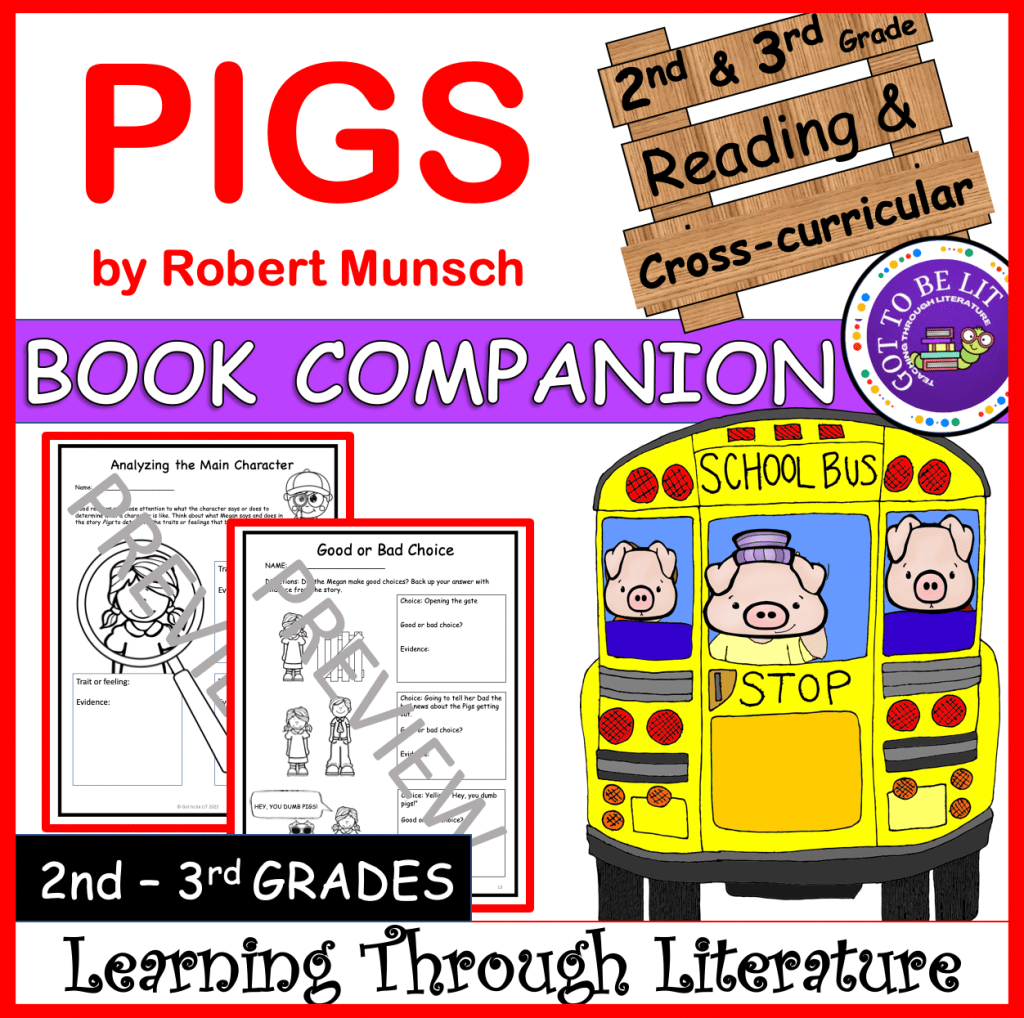
All my teacher-made Book Companions incorporate text connections. They range from 1st grade to 5th grade. Find them in my store here, or here are a few examples:


Discover more from Got to be LIT
Subscribe to get the latest posts sent to your email.

