
May is Asian Pacific American Heritage Month, and it’s an excellent opportunity to celebrate the contributions and experiences of Asian Americans and Pacific Islanders in our classroom. As educators, it’s essential to help our students understand the diversity and richness of different cultures, and one way to do that is through literature.
One particularly fitting book for this occasion is “Watercress” by Andrea Wang. This beautifully written read aloud touches on family, identity, and cultural heritage themes. The main character, a young Chinese American girl, reflects on her family’s experiences as immigrants and their challenges in adapting to life in the United States. As she picks the watercress with her parents, she discovers the importance of their cultural traditions and their sacrifices to give her a better life.
“Watercress” is a great starting point for classroom discussions about culture, identity, and immigration. “Watercress” can also inspire related activities, such as exploring traditional Chinese cuisine, discussing the history of Chinese immigration to the United States, or even trying your hand at writing your own family stories.
Here are some expanded ideas for related activities that teachers can incorporate into the classroom to celebrate Asian Pacific American Heritage Month alongside the read-aloud book “Watercress” by Andrea Wang:
1. Exploring Traditional Chinese Cuisine:
Food is a central aspect of many cultures, and Chinese cuisine is no exception. To help students appreciate China’s unique flavors and cooking styles, consider organizing a Chinese food-tasting event. You can ask students to bring in dishes representing their family’s cultural heritage or prepare some traditional Chinese dishes yourself. A classroom event can feature popular Chinese dishes like dumplings, stir-fried vegetables, and noodle dishes.
2. Discussing the History of Chinese Immigration to the United States:
As a nation of immigrants, the United States has a rich history of welcoming people from different cultures and backgrounds. However, Chinese immigrants faced discrimination and hardship in their new homes, which was challenging. To help students understand the history of Chinese immigration to the United States, consider incorporating primary sources like historical photographs, letters, or diary entries into your lessons. You can also watch documentaries or read historical fiction to help bring the history of Chinese immigration to life.
3. Writing Family Stories:
One of the most powerful ways to help students appreciate their cultural heritage is by sharing family stories. By encouraging students to write about their family histories, you can help them understand the unique experiences and traditions that make their families special. Students can actively interview family members, research their family’s history, or even write their family memoirs. This activity can help build empathy and understanding among students and encourage them to appreciate the diverse cultural backgrounds of their classmates.
In addition, many other wonderful books are appropriate for elementary students to celebrate the diverse experiences of Asian Americans and Pacific Islanders. Here are a few suggestions:
- “The Name Jar” by Yangsook Choi tells the story of a young Korean girl who moves to the United States and struggles to fit in at her new school. The main character chooses a new name for herself but eventually learns to embrace her Korean identity and the uniqueness of her given name.
- “Grandfather’s Journey” by Allen Say is a beautifully illustrated story that explores the experiences of a Japanese American man who moves back and forth between the United States and Japan. The book reflects on family, cultural identity, and belonging in different countries.
- “Malala’s Magic Pencil” by Malala Yousafzai tells the inspiring story of Malala Yousafzai, a young Pakistani girl who becomes an activist for girls’ education and the youngest Nobel Peace Prize laureate. The book encourages students to think about the importance of education and the power of determination and resilience.
- “Cora Cooks Pancit” by Dorina K. Lazo Gilmore-Young follows a young Filipino American girl named Cora who learns to cook traditional Filipino dishes with her mother and grandmother. The book celebrates family traditions and the importance of passing on cultural knowledge from generation to generation.
- “Baseball Saved Us” by Ken Mochizuki tells the story of a Japanese American boy sent to an internment camp during World War II. The book explores resilience, perseverance, and the importance of hope during challenging times.
These are just a few of the many excellent books available that celebrate the diverse experiences of Asian Americans and Pacific Islanders. By incorporating these stories into the classroom, teachers can help students learn about different cultures and perspectives and foster empathy and understanding.
Conclusion
In conclusion, by incorporating fun activities like trying traditional Chinese cuisine, learning about the history of Chinese immigration to the US, and writing family stories, along with reading books that celebrate the diverse experiences of Asian Americans and Pacific Islanders, students can have a more engaging and exciting learning experience during Asian Pacific American Heritage Month These activities help students understand and appreciate the diverse cultures and backgrounds of Asian Americans and Pacific Islanders. By creating a classroom that values and celebrates diversity, we can help our students become more open-minded and compassionate individuals.
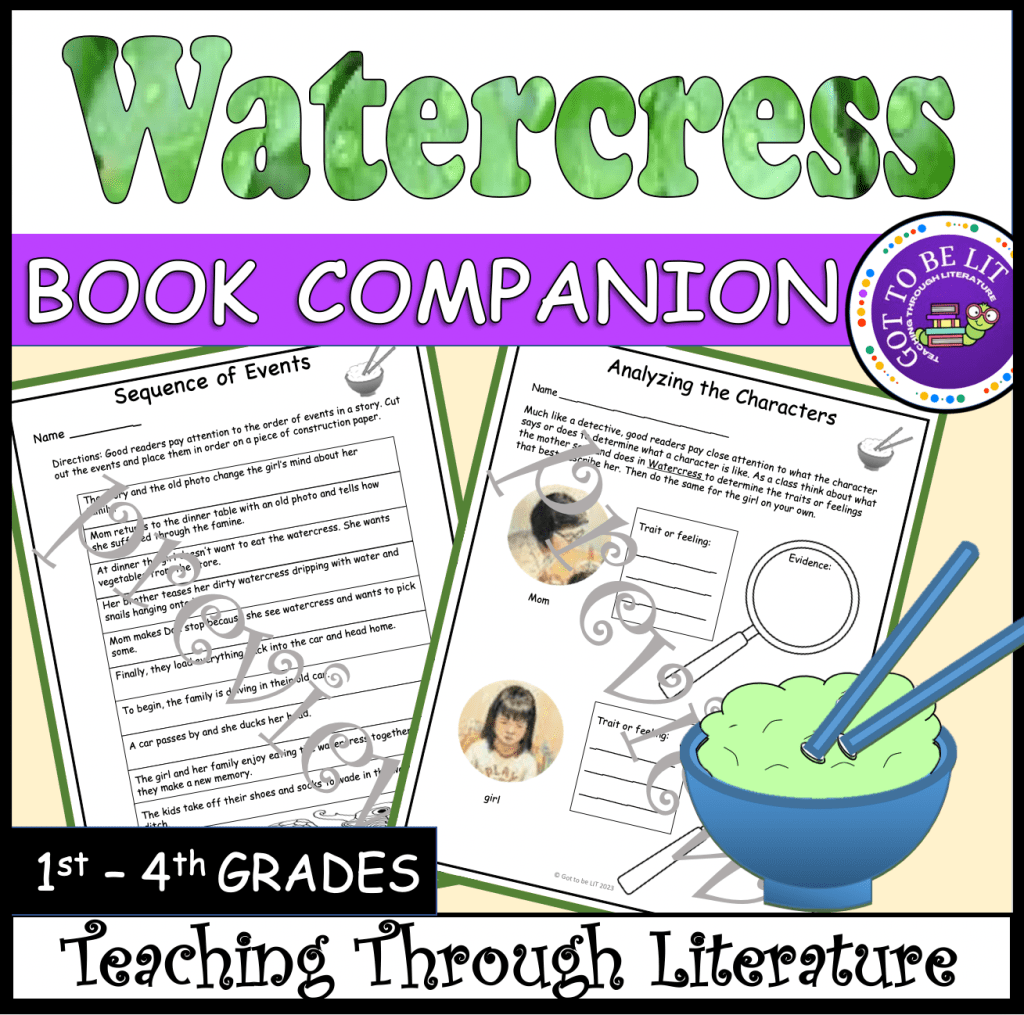
If you would like a very well written book with a book companion full of reading and writing activities, as well as some information on China, take a look at my Watercress Book Companion. The work is already done for you. Just print and go!
Discover more from Got to be LIT
Subscribe to get the latest posts sent to your email.

