
I remember struggling with my son’s reading comprehension in 2nd grade. Although he could read the words, he often couldn’t answer questions about the text because he wasn’t paying attention to what he was reading. This is a common problem that elementary educators face with their students. It can be frustrating for both parents and teachers to see a child struggling with comprehension, but there are strategies that can help.
Here are some tips to help young students learn how to monitor their reading and improve their comprehension:
1. Encourage active reading
Teach your students to actively engage with the text as they read, by asking questions, making predictions, and summarizing what they’ve read in their own words. This will help them stay focused and better understand what they are reading. The key part here is “as they read.” Stop them after a few sentences or a paragraph to ask them questions. How far you let them read before stopping them depends on how well they are paying attention to what they read. With my son, I had him stop after every sentence at first. Gradually, he could read a little longer. It took him the better part of the year to start actively reading on his own.
2. Use graphic organizers
Graphic organizers such as story maps or Venn diagrams can help students visualize the structure of a story and better understand the relationships between characters, events, and concepts. Based on research, using graphic organizers helps the learning process and improves comprehension (d. Praveen Sam). For this reason, I include graphic organizers in most of the book companions I create.
3. Practice retelling
After reading, encourage your students to retell the story in their own words. This can help them process and remember the information they have read. Students can retell the story orally or written. They can write it in sentences. They can draw pictures. They can act it out with puppets. Let them be creative as they retell it.
4. Model good reading habits
Read aloud to your students, and model good reading habits such as pausing to ask questions, summarizing, and making connections between the text and your own experiences.
5. Read together
Have your students read aloud to you and stop periodically to discuss the text. This can help them build their comprehension skills and develop their ability to monitor their own reading. Turn the tables on them and have them ask you questions. They will love playing the teacher’s role, and cause them to pay attention to what they are reading so they can ask questions.
6. Monitor comprehension
Teach your students to be aware of when they are understanding what they are reading and when they are not. Encourage them to stop and reread or ask for clarification when needed.
7. Use feedback and positive reinforcement
Provide your students with feedback on their reading, both positive and constructive. Praise them for their successes and help them work through any challenges they may face. Learning to read is a process and takes time. Giving them encouragement will help them stay with it and keep trying.
8. Encouraging students to read books
Reading books that are appropriate for their reading level and interests can also help to foster a love of reading and improve their comprehension skills. I encouraged my son to read a variety of genres and authors, and he saw me do the same.

There are many great books that can help 2nd graders follow through on these tips and can help students practice and develop reading comprehension skills. Here are a few suggestions from my son:
“The Day the Crayons Quit” by Drew Daywalt:
This fun and engaging story can help students practice retelling and summarizing, as well as making connections between the text and their own experiences.
“The Very Hungry Caterpillar” by Eric Carle:
This classic story is great for practicing sequencing and using graphic organizers such as a story map.
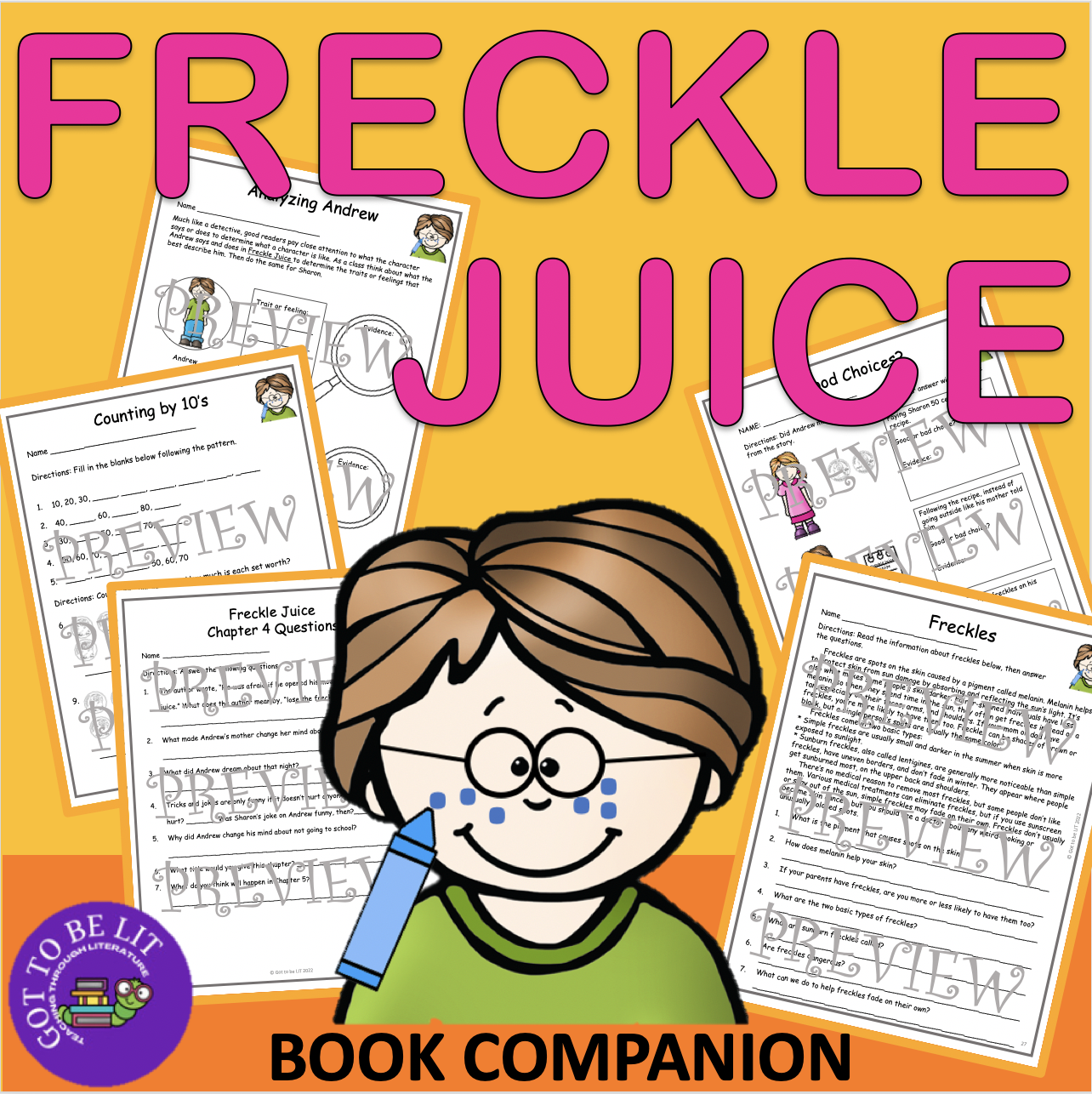
“Freckle Juice” by Judy Blume:
This longer chapter book can help students practice active reading and monitoring comprehension, as well as making predictions and connections between different parts of the story using graphic organizers. Click here for my Freckle Juice Book Companion
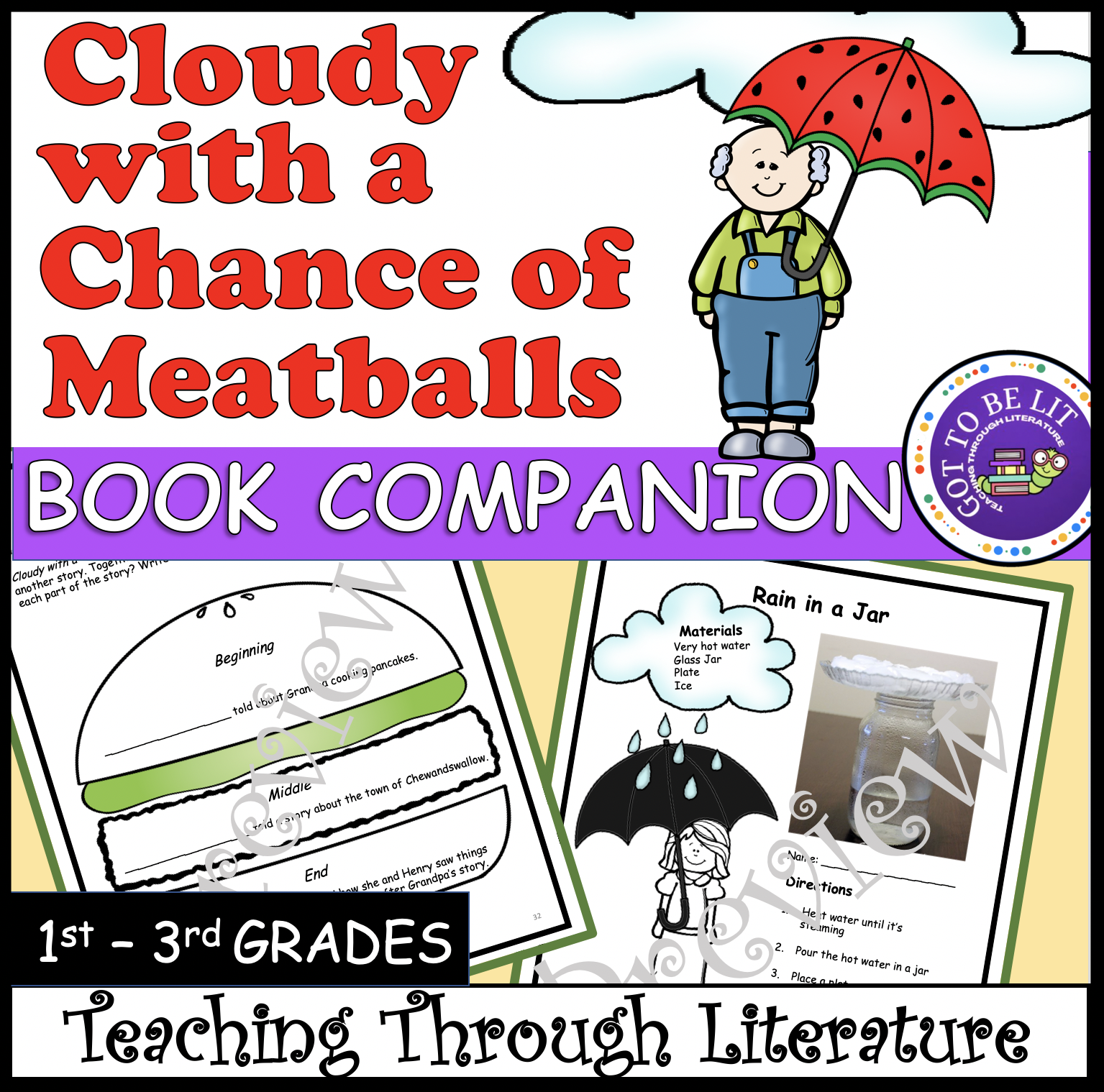
“Cloudy with a Chance of Meatballs” by Judi Barrett:
This imaginative story tells the tale of a town where food falls from the sky like rain. It’s a fun and engaging book that can help students practice retelling and making predictions. Click here for my Cloudy With a Chance of Meatballs Book Companion
“Freckle Juice” by Judy Blume:
This humorous story follows a young boy who wants to have freckles like his classmate. It’s a great book for teaching students about cause and effect, as well as making connections between different parts of the story. Click here for my Freckle Juice Book Companion
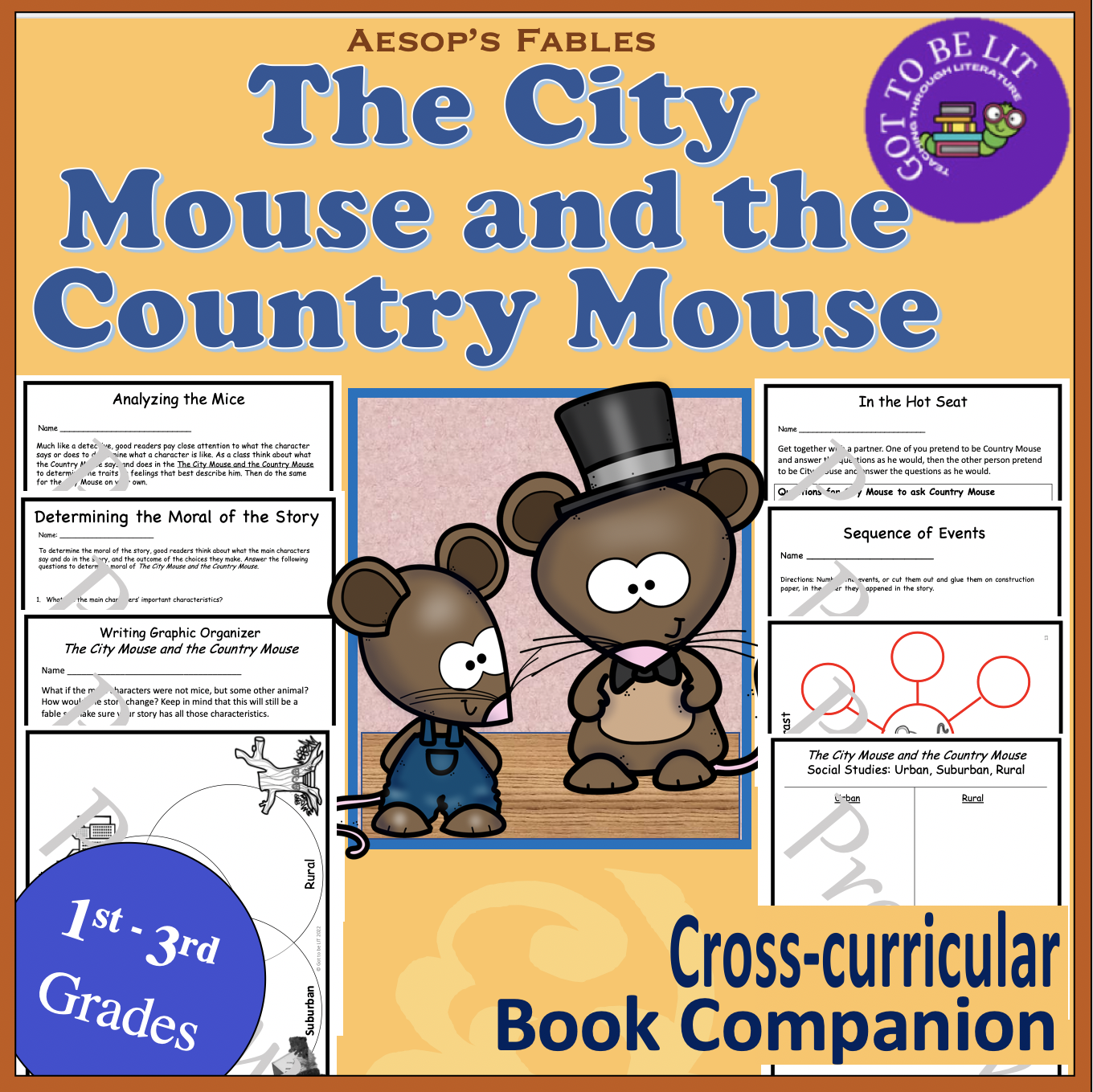
“The City Mouse and the Country Mouse” by Aesop:
This classic fable tells the story of two mice who live in very different environments. It’s a great book for teaching students about comparing and contrasting, as well as making inferences about character motivation. Click here for my The City Mouse and the Country Mouse Book Companion
“The True Story of the Three Little Pigs” by Jon Scieszka:
This hilarious retelling of the classic fairy tale puts a twist on the story by telling it from the wolf’s perspective. It’s a great book for teaching students about point of view and making inferences about character perspectives. Click here for my The True Story of the Three Little Pigs Book Companion
By incorporating these strategies and books into your teaching, you can help your 2nd grade students improve their reading comprehension and become more confident and engaged readers, just as I did with my son.
Click the Got to be LIT button to find these book companions.

*d, praveen sam. “Using Graphic Organizers to Improve Reading Comprehension Skills … – Ed.” English Language Teaching, Canadian Center of Science and Education, 9 Jan. 2013, https://files.eric.ed.gov/fulltext/EJ1076955.pdf.
Discover more from Got to be LIT
Subscribe to get the latest posts sent to your email.


4 thoughts on “8 Tips to Improve Reading Comprehension for 2nd Graders: Strategies and Book Suggestions”