
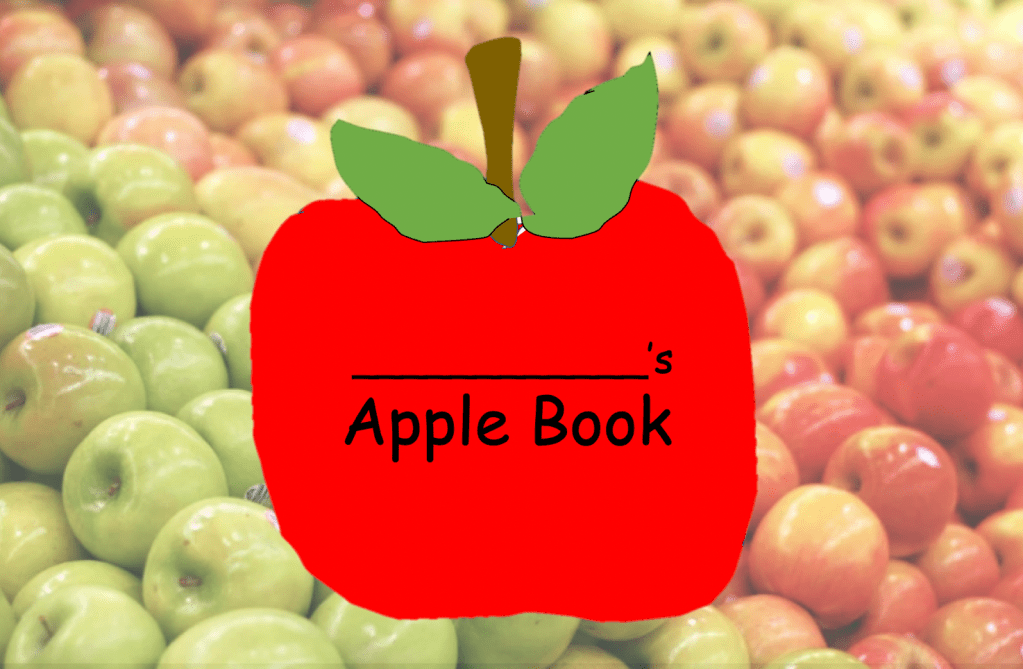
A thematic unit has a central theme that crosses all subjects. A thematic unit example is apples. An apple thematic unit for reading could be taught by choosing books like Johnny Appleseed by Stephen Kellogg, One Green Apple by Eve Bunting, or The Seasons of Arnold’s Apple Tree (Gail Gibbons). In History, students could learn where apples originated and who brought them to America and why. In Science class, kids could plant apple seeds and watch them grow, learn what kind of diseases they get, learn the different parts of the apple, why there are different colors and kinds, and do a taste test on the different kinds. Then in Math, they could take that information and make graphs. In addition, the teacher could use apples in word problems like selling apples (money), eating apples (taking away), planting apple trees on an acre (multiplication), counting apples, etc. In Writing, students can research the history of apples, write an opinion paper on which kind they prefer, and write their own legend of how apples grew in America. A thematic unit can last anywhere from a week to 9 weeks.
Other thematic unit ideas include the ocean, dinosaurs, space, holidays, or weather. There is a balance to choosing a theme though. If the theme is too broad, you will lose yourself in the possibilities and it could take so long to cover that you and your students will lose interest. If the theme is too narrow, you won’t be able to get across all subjects before you run out of content. Most state standards or the Core Curriculum standards can be taught using any theme so poll you class to find out where their interests lie and follow their lead.

Thematic teaching is highly engaging for students and stimulates interest, which in turn increases student motivation and academic achievement. It also takes into consideration the way our brains are created to work. Since the brain looks for connections (Beane, 1997), using themes to correlate subjects makes learning easier, stores it in long term memory, and helps students make connections to real life. Additionally, thematic units develop vocabulary and comprehension skills. Therefore, the thematic approach to teaching is worthwhile.

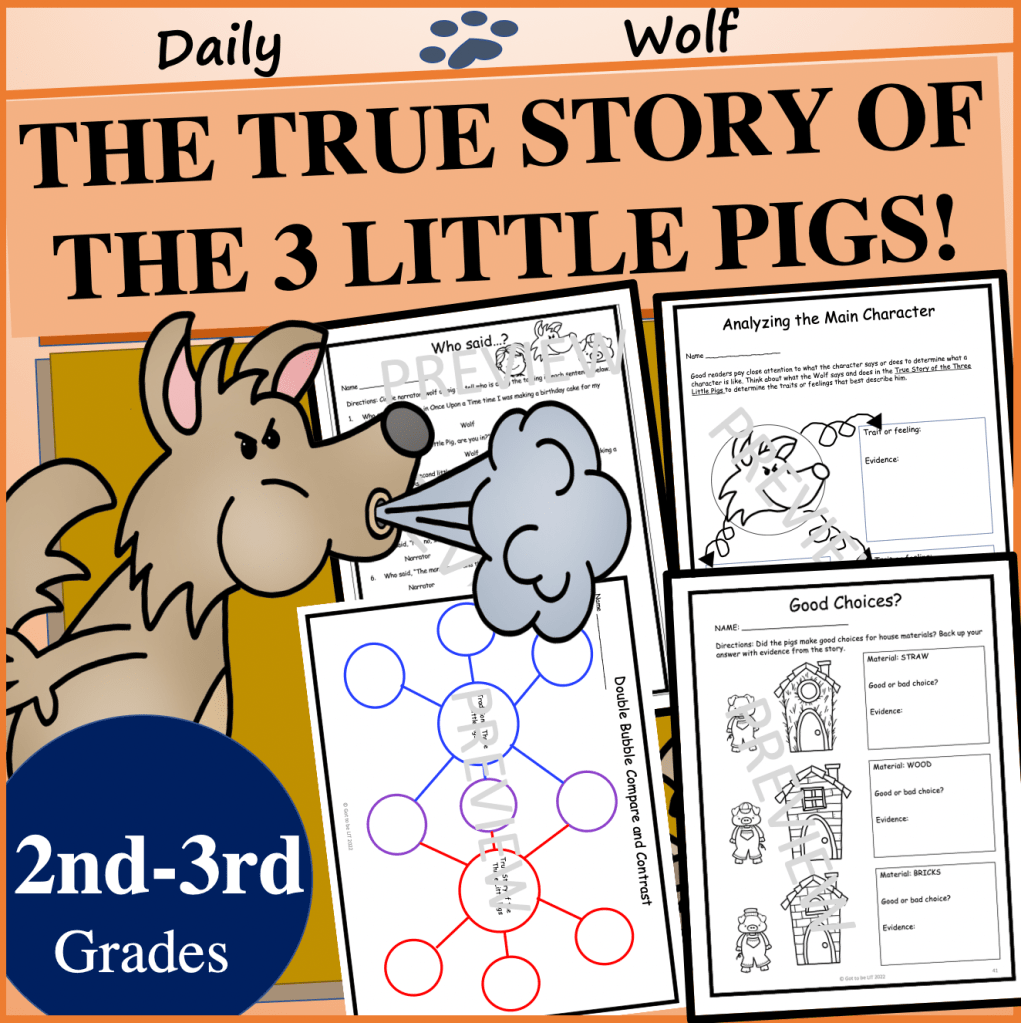
First I decide on a theme. I like to look for books next because that’s my passion. Using literature, as opposed to a basal, is the best way to teach children how to read, so start with a book and then build around the theme. How many books depends on the length of time I’m willing to give to the theme. It also depends on how long the books are. The language arts skills will depend on the books I choose. For example if a book has a lot of figurative language, guess what my language skills will include: figurative language, or another example is The True Story of the Three Little Pigs by Jon Scieszka. The whole story is told through a unique point of view so in that case I would teach point of view. Using mentor sentences from the books is a good way to incorporate grammar into the unit.
Of course, fiction books are engaging, but non-fiction books are a great way to pull in science and/or history. Gail Gibbons has some great non-fiction books that are perfect for thematic units. I use her book Spiders, along with the non-fiction book by Doreen Cronin Diary of a Spider, in my unit on spiders. Learning about spiders is perfect for Halloween or in the spring when we start seeing lots of the little critters around. The librarian is also a great resource to help find thematic non-fiction books if you need assistance. After brainstorming thematic related questions the class would like to answer, I place the students in groups to look for the answers. If I can find four or five non-fiction books on the theme, then I can put the students in groups to work collaboratively on finding different information from those books, and then share that information with the class.
A thematic unit for math is relatively easy for elementary students: just include the theme as images on their worksheets and centers, or include math problems revolving around the theme. Another math skill to use in almost any thematic unit is making and reading graphs and charts. Students struggle in this area so it is a good idea to include it in your units.
Then, I comb through Pinterest looking for crafts, and make cute theme-centered bulletin boards with students’ art.
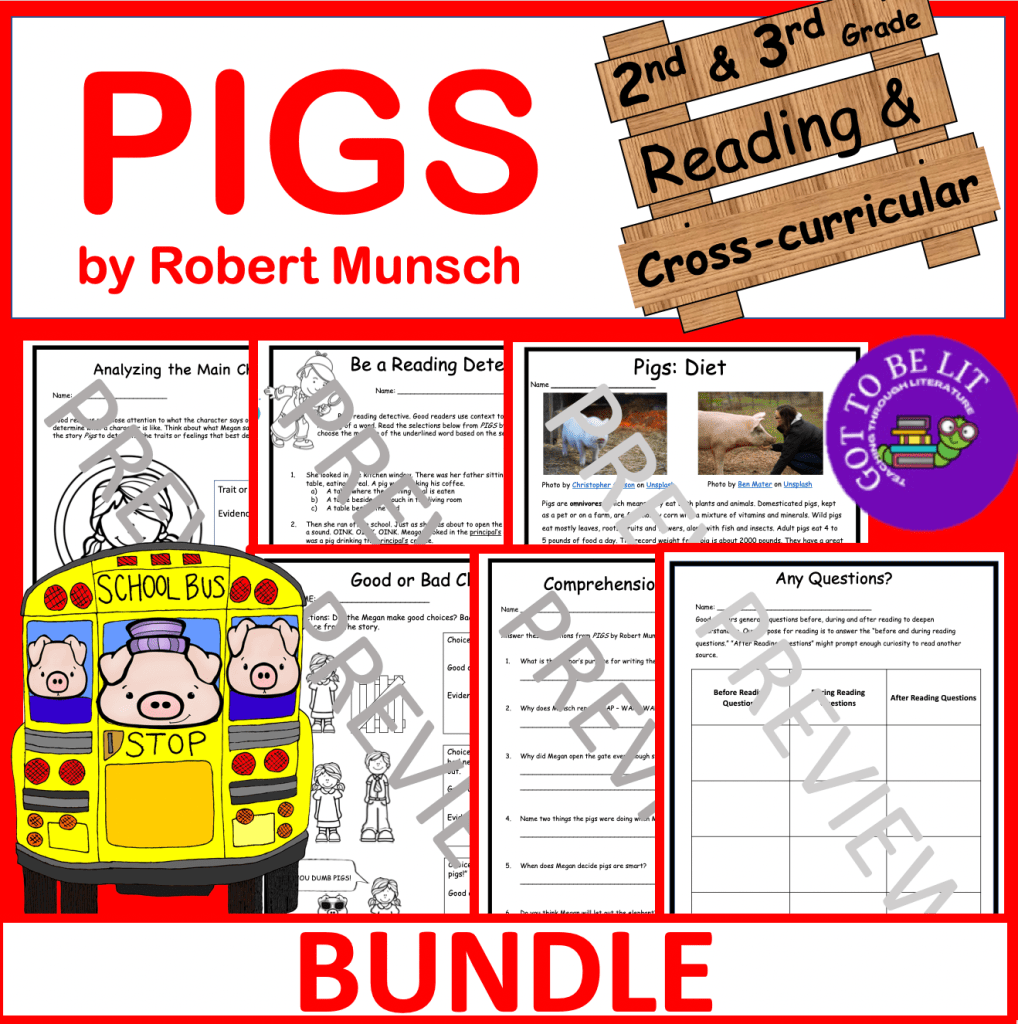
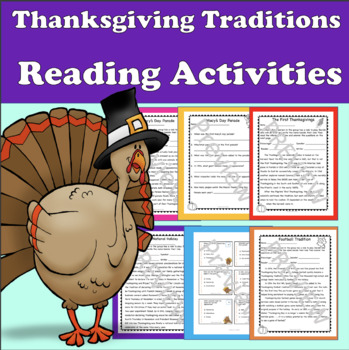
If you are interested in seeing what thematic units have to offer then check out the themes I have. You might want to give one a shot or grab them all. See what works for you and check them out by clicking on the links below each image!
Discover more from Got to be LIT
Subscribe to get the latest posts sent to your email.


2 thoughts on “Teaching Thematic Units Across the Curriculum”