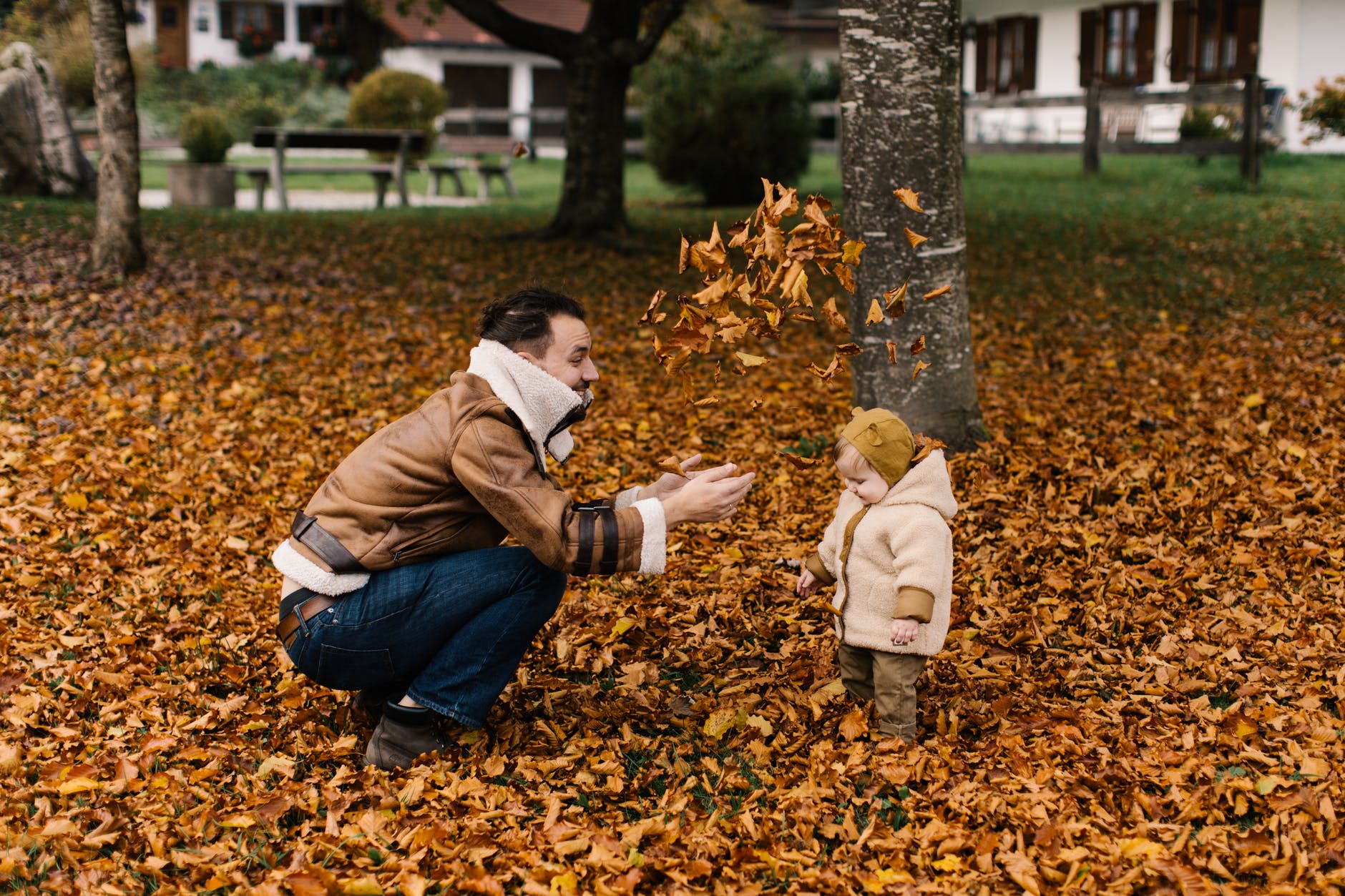
Thanksgiving is. . .
Thanksgiving is delicious, once-a-year foods.
Thanksgiving is bonfires and roasting marshmallows.
Thanksgiving is family and friends.
Thanksgiving is giving thanks to God.
I ran across a book by Gail Gibbons called Thanksgiving is. . . at my public library. As I read through it, I realized that it’s the perfect book to teach metaphors, Thanksgiving history, and the traditions associated with the holiday.
To begin, our national holiday of Thanksgiving is not the only time in history that people held a celebration to give thanks, and I love that Gibbons addresses this fact in her book. Spending some time discussing these celebrations, along with some activities to reinforce these world history events is ideal when reading this book to your class, not to mention the spark of excitement it creates.
Next Gibbons addresses the Pilgrims’ First Thanksgiving, which allows for the conventional history taught during this holiday. Discussions abound around the religious freedom the pilgrims sought, the voyage across the Atlantic, the dire circumstances of starting life in a strange, new land, and the Native Americans who helped them survive.
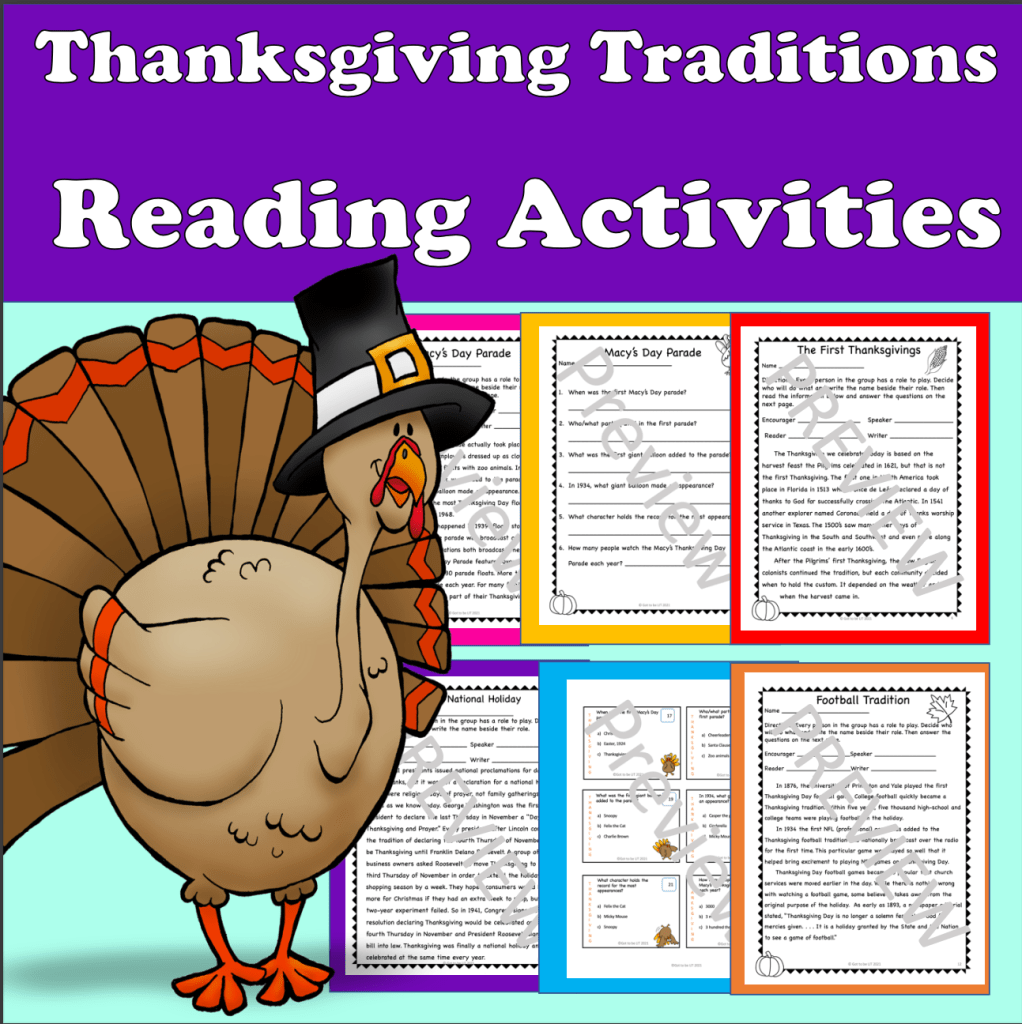
America’s Thanksgiving traditions are also addressed in Gibbon’s book, which will spark a discussion on the traditions each student’s family participates in, and how the similarity of these shared traditions brings American citizens together to produce a sense of cultural identity. As a side note, this is what President Lincoln was hoping for when he declared Thanksgiving a national holiday due to the strife caused by the Civil War. On another side note, Sarah Hale’s letter to him asking for this National holiday influenced his decision to do so (read Thank You, Sarah: The Woman Who Saved Thanksgiving).
Then, of course, is the most obvious lesson to me: metaphors. After explaining that a metaphor is comparing two items without using like or as, and finding the examples in Gibbon’s book, the next step is to have students write their own metaphors for Thanksgiving, and bind them all into a class book for the students to read during independent reading time. This is a link to this lesson on metaphors: https://www.teacherspayteachers.com/Product/Fall-Thanksgiving-Metaphor-Poetry-7440551
To conclude, a single picture book creates a week’s worth of Thanksgiving lessons and activities for your classroom. Thanksgiving is . . . teachers juggling their classrooms and their families, so if you prefer to have all these lessons done and ready at your fingertips, click on this link to my online Teachers pay Teachers store: Got to be LIT, or these direct links to my Thanksgiving products:
Thank-You-Sarah-The-Woman-Who-Saved-Thanksgiving
History-of-Thanksgiving-Traditions-Reading-Activities
Cranberry-Thanksgiving-Bundle-of-Activities
Cranberry-Thanksgiving-Literature-Unit-Elements-of-the-Story
Cranberry-Thanksgiving-VOCABULARY
Cranberry-Thanksgiving-Figurative-Language
Discover more from Got to be LIT
Subscribe to get the latest posts sent to your email.

