
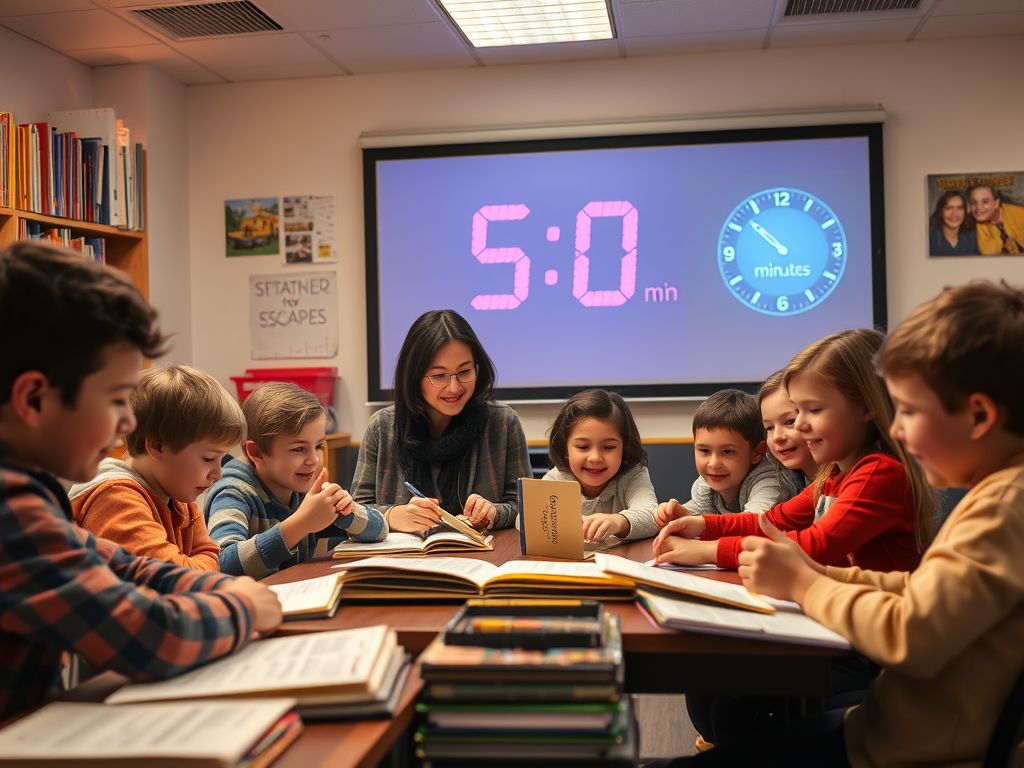
Classroom-Friendly Tips for a Smooth and Successful Experience If you’ve ever wanted to try a reading escape room but felt overwhelmed by the logistics, you’re not alone. The idea of turning your classroom into a mini mystery-solving adventure sounds amazing—but managing groups, papers, and time? That can feel like a lot. Here’s the good news:ContinueContinue reading “🧩 How to Run a Reading Escape Room Without Losing Your Mind”
Category Archives: Reading
📚 Why Reading Escape Rooms Work in the Elementary Classroom

If your students groan when it’s time for another reading worksheet, it might be time to shake things up—without sacrificing learning. Enter: the Reading Escape Room. These literacy-based adventures are popping up in classrooms everywhere, and for good reason. Reading escape rooms combine engagement, standards-based instruction, and critical thinking in a format that students beg to repeat. So, what makesContinueContinue reading “📚 Why Reading Escape Rooms Work in the Elementary Classroom”
💬 Real Teachers, Real Classrooms: How Sweet Reads + Skills Are Making a Difference

When I first created Sweet Reads + Skills, my dream was simple:To give busy teachers meaningful, easy-to-use reading packs that students would actually enjoy. Now that more classrooms are trying them out, I’ve started hearing from educators who are seeing the results—and I couldn’t be more excited to share some of their stories with you. 🌟ContinueContinue reading “💬 Real Teachers, Real Classrooms: How Sweet Reads + Skills Are Making a Difference”
✨ Making the Most of Sweet Reads + Skills Packs in Your Classroom
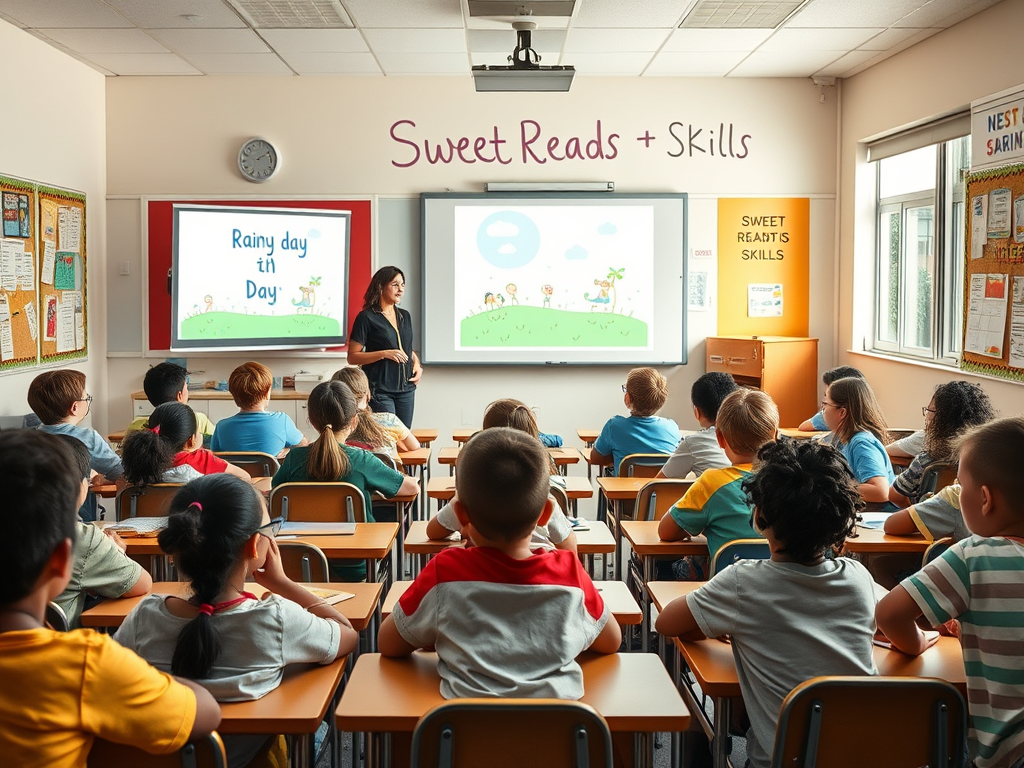
If you’ve downloaded your free mini pack (Missing Monarch) or purchased a full Sweet Reads + Skills unit, you might be wondering:“How do I actually use this during my busy week?”Great question! These packs were created to be flexible and practical—no fluff, just meaningful literacy work. Let’s break down a few easy ways to integrate them into yourContinueContinue reading “✨ Making the Most of Sweet Reads + Skills Packs in Your Classroom”
📚 What Are Sweet Reads + Skills Packs? A Peek Inside!
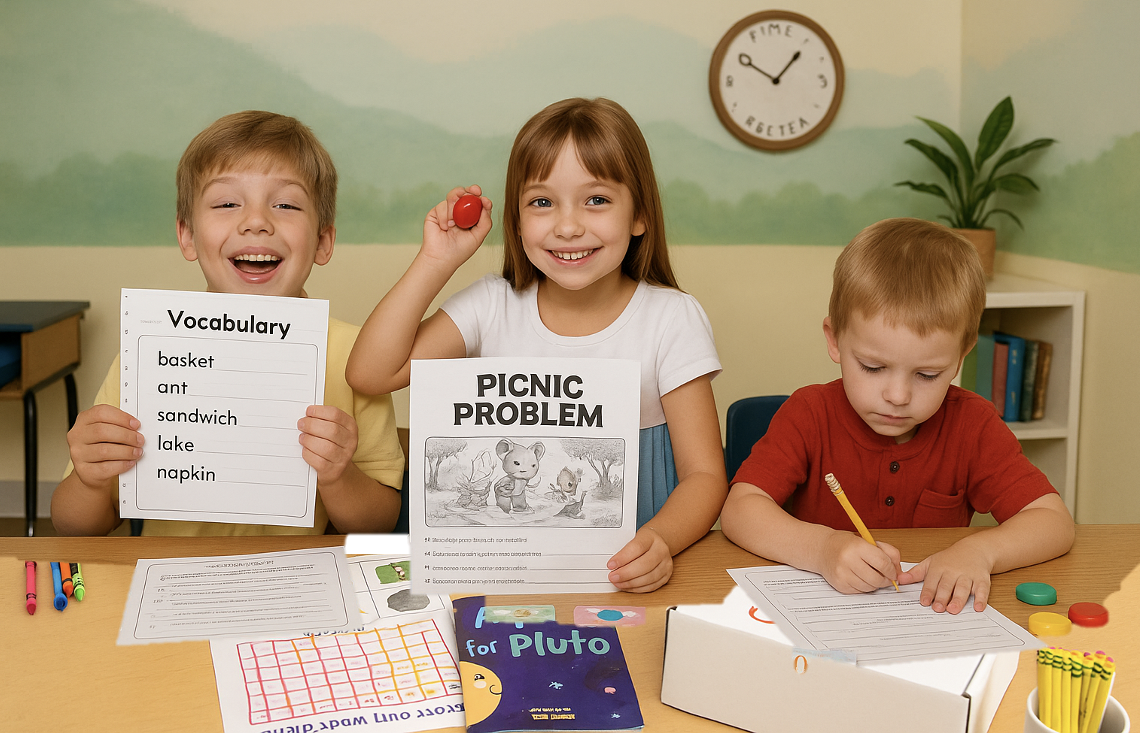
🌸 The Week Everything Felt Off I’ve always loved teaching my ELA block in a way that feels cohesive and connected—where the reading, vocabulary, grammar, and writing all build on each other like puzzle pieces. But one week, I just didn’t have the time. I stayed up late pulling together a mix of passages, grammar reviews,ContinueContinue reading “📚 What Are Sweet Reads + Skills Packs? A Peek Inside!”
Understanding Structured Literacy: A Comprehensive Approach to Effective Elementary Education

In this article, I will delve into structured literacy, its components, and its significance in elementary education.
Making Reading Connections: Text to Text, Text to Self, and Text to World

By incorporating text connections, teachers not only enhance students’ understanding of a book but also promote critical thinking. Students will learn to compare and contrast stories, relate the story to their own experiences, and connect it to the broader world. These connections will deepen their engagement with the book and foster critical thinking skills that extend beyond the pages of the story.
The Power of Systematic Instruction in Elementary Literacy: Building Strong Foundations for Lifelong Learning
Photo by Vidal Balielo Jr. on Pexels.com How teachers teach is crucial in elementary school, where kids start their learning journey. One way that helps kids learn is called systematic instruction. This article explains what it means, how it works in a classroom, and why starting with the basics is so important. What Is SystematicContinueContinue reading “The Power of Systematic Instruction in Elementary Literacy: Building Strong Foundations for Lifelong Learning”
Boosting Reading Comprehension: Encouraging Summarization and Note-Taking
Incorporating summarization and note-taking into your child’s reading routine is a powerful strategy for enhancing their reading comprehension.
The Power of Asking Questions to Build Reading Comprehension
This blog post will explore the benefits of incorporating questioning techniques into your child’s reading routine and provide practical tips to make it a rewarding and enjoyable experience.
